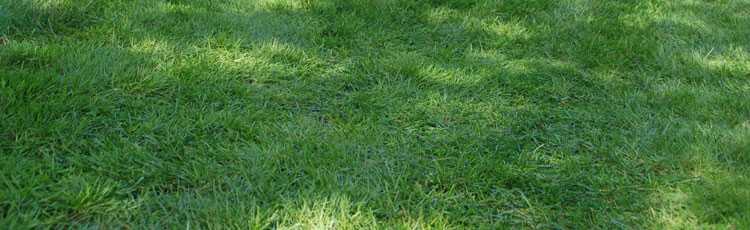
Maintaining a Zoysia lawn without chemicals is not only possible, but it can also be quite rewarding. The key lies in embracing natural practices that promote healthy grass growth and control pests organically. Start by implementing a regular mowing schedule at the right height to encourage deep root growth. Incorporate natural fertilizers like compost or grass clippings to enrich the soil. Water deeply but infrequently to encourage drought resistance. Use hand-pulling or natural herbicides for weed control and introduce beneficial insects to help manage pests. By following these steps, you can create a lush, thriving Zoysia lawn while minimizing your impact on the environment. Let’s dive into the details on how to achieve a beautiful lawn without relying on chemicals.

How to Maintain a Zoysia Lawn Without Chemicals
Maintaining a Zoysia lawn naturally can create a vibrant and healthy outdoor space without relying on synthetic chemicals. Zoysia grass is known for its lush, green appearance and resilience to drought and heat. This article will guide you through essential practices to keep your lawn thriving using organic methods.
Understanding Zoysia Grass
Before diving into maintenance techniques, it’s crucial to understand what Zoysia grass is. This variety is a warm-season grass native to Asia that thrives in sunny areas. It offers several benefits, such as:
- High drought tolerance
- Good wear resistance
- Dense growth that suppresses weeds
These characteristics make Zoysia grass an excellent choice for homeowners seeking a low-maintenance lawn.
Soil Testing for Optimal Growth
The foundation of a healthy lawn lies in the soil. Testing your soil provides insights into its pH and nutrient levels. Here’s how to conduct a soil test:
1. **Collect Soil Samples**: Dig small samples from various spots in your yard.
2. **Mix Samples**: Combine them in a clean container to create a representative sample.
3. **Send for Testing**: Use a local extension service or a home testing kit.
The results will guide you on necessary amendments such as lime for acidity or compost for nutrient enrichment.
Enhancing Soil Health Naturally
Once you have your soil test results, you can enhance its health organically. Consider the following methods:
- Composting: Incorporate organic compost to improve soil structure.
- Mulching: Use mulched leaves or grass clippings to add organic matter and retain moisture.
- Organic Fertilizers: Apply natural fertilizers like bone meal or fish emulsion to provide nutrients.
Healthy soil supports robust Zoysia growth while minimizing the need for chemical interventions.
Watering Techniques
Proper watering is essential for maintaining a Zoysia lawn. Here are some effective strategies:
- Deep Watering: Water deeply once or twice a week instead of frequent shallow sprinklings. This encourages deep root growth.
- Early Morning Watering: Water early in the morning to minimize evaporation.
- Rain Gauge: Use a rain gauge to monitor rainfall and adjust watering schedules accordingly.
Overwatering can lead to disease, so always check the soil moisture before watering again.
Signs of Underwatering
It’s important to know the signs that your Zoysia lawn might be underwatered:
- Grass appears wilted or blue-green
- Footprints remain visible on the grass
- Brown patches start to develop
Identifying these signs early helps in taking corrective action.
Mowing for Health
Mowing is not just about aesthetics; it plays a crucial role in lawn health. Here are some tips for mowing Zoysia grass:
- Height: Keep the mower at a height of 1 to 2 inches. This helps maintain moisture.
- Sharp Blades: Ensure mower blades are sharp to prevent tearing the grass.
- Mow When Dry: Avoid mowing when the grass is wet to prevent clumping and uneven cuts.
Regular mowing also promotes thicker grass growth, which helps suppress weeds.
Weed Control Without Chemicals
Weed competition can hamper the health of your Zoysia lawn. Implement these organic weed control methods:
- Hand Pulling: Regularly hand-pull weeds before they seed.
- Mulching: Apply mulch in garden beds to suppress weeds.
- Natural Herbicides: Use vinegar or boiling water on weeds as a non-chemical solution.
Maintaining the health of your Zoysia will allow it to outcompete most weeds naturally.
Common Weeds in Zoysia Lawns
Being aware of common weeds will help in early detection. Some prevalent weeds include:
- Crabgrass
- Dandelion
- Chickweed
Identifying these can help you take timely action to keep them in check.
Pest Management Naturally
A healthy Zoysia lawn can often resist pests, but if they become an issue, consider these methods:
- Natural Predators: Encourage beneficial insects like ladybugs and lacewings.
- Neem Oil: This natural oil can deter pests without harming the grass.
- Soap Sprays: A mild soap solution can effectively manage soft-bodied insects.
Regularly inspecting your lawn for signs of infestation allows for early intervention.
Common Pests to Watch For
Familiarize yourself with pests that may invade your Zoysia lawn:
- Grubs
- Chinch bugs
- Armyworms
By recognizing these pests early, you can apply appropriate natural controls.
Seasonal Care Tips
Each season brings unique challenges and opportunities for your Zoysia lawn. Here are maintenance tips for different times of the year:
Spring
– **Aeration**: Spring is a great time to aerate the lawn to allow water and nutrients to penetrate.
– **Fertilize**: Apply organic fertilizers as the grass begins to grow actively.
Summer
– **Adjust Watering**: Increase watering frequency during hot spells.
– **Mowing**: Maintain regular mowing to promote density and health.
Fall
– **Overseed Bare Areas**: Along with aeration, overseed any thin patches to ensure a lush lawn.
– **Clear Leaves**: Remove fallen leaves to prevent matting and disease.
Winter
– **Avoid Traffic**: Keep foot traffic off the lawn during dormancy to prevent damage.
– **Plan for Spring**: Use this time to plan your maintenance schedule for the upcoming growth season.
Additional Tips for a Healthy Zoysia Lawn
Here are additional practices to ensure a thriving Zoysia lawn:
- Edge Regularly: Define garden beds and pathways to prevent grass encroachment.
- Rotate Equipment: Alternate lawn equipment to prevent soil compaction.
- Educate Yourself: Continuously learn about lawn care practices and organic solutions.
Staying informed and proactive is key to maintaining a beautiful lawn.
Preserving a Zoysia lawn without chemicals is both achievable and rewarding. By understanding soil health, utilizing natural watering methods, and managing weeds and pests organically, you can enjoy a lush, green yard that is safe for your family and pets. Engage in seasonal care and adopt best practices to help your Zoysia grass flourish beautifully throughout the year. With these tips, you can create a thriving natural landscape that enhances your home and environment.
How to Get Zoysia Grass to Spread Faster in Your Yard
Frequently Asked Questions
What are the best mowing practices for a Zoysia lawn?
Mow your Zoysia lawn regularly to maintain a height of 1 to 2 inches. Mowing too low can stress the grass, while letting it grow too tall can lead to weeds. Use sharp mower blades to ensure a clean cut, which helps the grass heal quickly and stay healthy.
How can I improve soil health naturally for my Zoysia lawn?
To enhance soil health, consider aerating the lawn to alleviate compaction and promote better water and nutrient absorption. You can also add organic matter like compost to enrich the soil, which supports the grass’s growth and improves its resilience against pests and diseases.
What natural methods can I use to control weeds in my Zoysia lawn?
Use mulching to suppress weed growth and keep the soil moist. You can also hand-pull weeds before they have a chance to flower and seed. Additionally, applying a thick layer of organic mulch around garden beds and using organic herbicides can help manage unwanted plants without chemicals.
How often should I water my Zoysia lawn without chemicals?
Water your Zoysia lawn deeply but infrequently. Aim for about 1 inch of water per week, either from rainfall or irrigation. Adjust the frequency based on weather conditions, particularly during hot, dry spells. Early morning is the best time to water, reducing evaporation and fungal disease risk.
What are some natural fertilizers that work well on Zoysia grass?
Utilize organic fertilizers like fish emulsion, seaweed extract, or composted manure to provide essential nutrients. These options are gentle on the environment and promote long-term soil health. Apply these fertilizers during the growing season to support vigorous growth and color.
Final Thoughts
Maintaining a Zoysia lawn without chemicals requires a few key practices. Regular mowing helps keep the grass healthy and encourages dense growth, which prevents weeds. Adequate watering, especially during dry spells, supports root development and resilience.
Organic fertilizers can boost nutrient levels without harmful effects. Additionally, aerating the lawn allows for better air and water penetration, promoting overall health.
By following these simple strategies, anyone can successfully maintain a Zoysia lawn without chemicals. How to maintain a Zoysia lawn without chemicals emphasizes the importance of natural care to achieve lush and sustainable greenery.