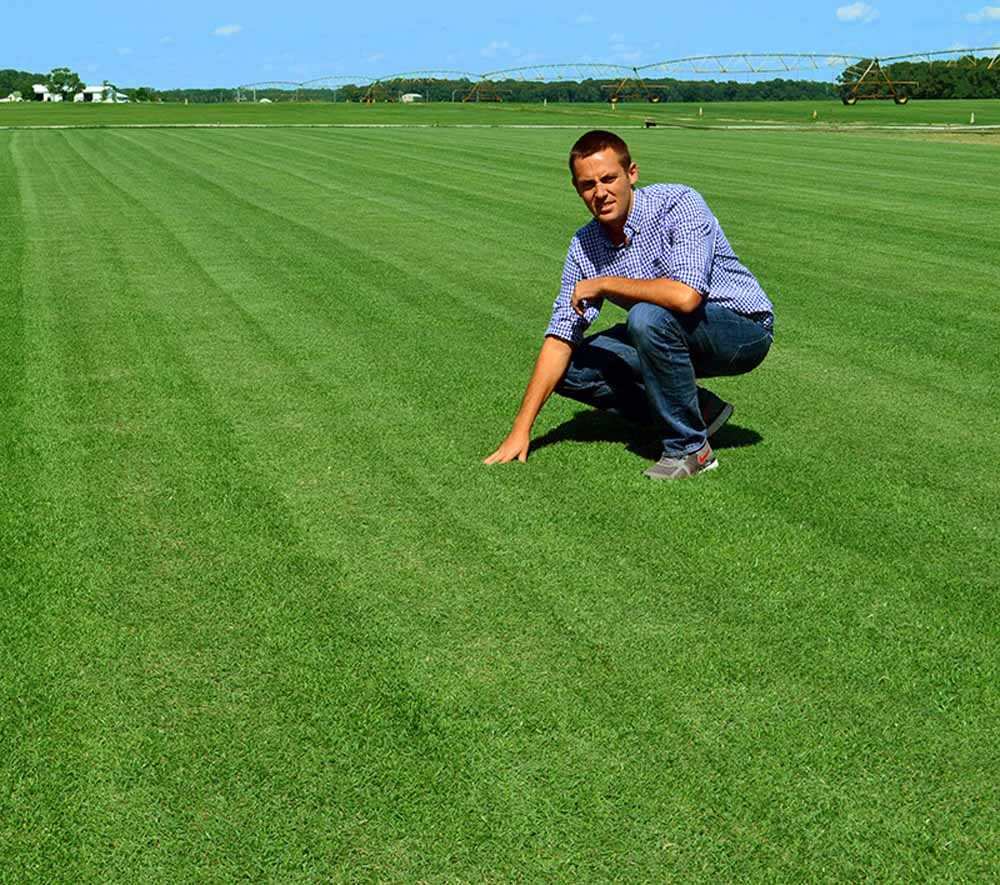
Looking for a lush, green lawn that can thrive in northern climates? Zoysia grass might just be your perfect match! While traditionally associated with warmer regions, certain varieties of zoysia are surprisingly adaptable to cooler northern conditions, offering a durable and attractive turf option.
**Quick answer:** Zoysia grass can be a great choice for northern climates if you select cold-hardy varieties like Zoysia japonica and ensure proper planting and maintenance. These grasses can withstand colder temperatures better than many other warm-season grasses, giving homeowners a beautiful, resilient lawn.
If you’re dreaming of a vibrant, low-maintenance lawn in the north that stays green longer and resists drought and wear, zoysia could be worth exploring. Although it’s not as common in colder areas, innovative varieties and planting techniques now make it feasible to enjoy a zoysia lawn north of the traditional grow zones. With proper preparation, selecting the right type, and understanding its needs, you can enjoy the lush carpet zoysia offers, even in cooler northern climates.

Zoysia Grass for Northern Climates
Understanding Zoysia Grass and Its Benefits
Zoysia grass is a warm-season grass known for its dense growth and durability. It forms a lush, carpet-like lawn that handles foot traffic well and resists weeds. Many homeowners love it because it stays green during the warmer months with minimal maintenance.
One key advantage of zoysia is its tolerance for drought conditions. Once established, it needs less water than other grasses, making it ideal for areas with water restrictions. Its deep root system also helps it survive periods of dry weather.
Additionally, zoysia grass offers good shade tolerance, meaning it can grow well under trees or in partially shaded yards. This trait is especially beneficial for northern climates where shade spots are common. Its ability to withstand a variety of soil types makes it adaptable to different yard conditions.
Why Zoysia Grass Struggles in Cold Climates
Although zoysia is resilient, it is primarily a warm-season grass that prefers temperatures above 80°F. In northern climates, colder winters can pose challenges for its growth and survival.
During winter, zoysia goes dormant, turning brown and slowing its growth. Prolonged cold temperatures can damage the grass if it isn’t properly prepared. Frost and freezing temperatures can cause the grass to die back, requiring reseeding or re-establishment in spring.
Some zoysia varieties are more tolerant of colder weather than others. For example, ‘Emerald’ and ‘Meyer’ are known for better cold tolerance, but neither can withstand prolonged severe cold like that of northern regions.
Choosing the Best Zoysia Varieties for Northern Regions
Selecting the right zoysia variety is crucial for success in northern climates. Here are popular options known for better cold tolerance:
| Variety | Cold Tolerance | Growth Rate | Maintenance Needs |
|---|---|---|---|
| ‘Meyer’ | Moderately tolerant | Slow to medium | Low to moderate |
| ‘Emerald’ | Better cold tolerance | Medium | Moderate |
| ‘Zeon’ | Good cold tolerance | Fast | Moderate |
These varieties tend to handle brief cold snaps better than others. However, they still require winter protection in many northern areas.
Preparing Zoysia Grass for Cold Winters
Proper winter care helps zoysia survive the cold and come back strong in spring. Begin by gradually lowering watering as temperatures fall, avoiding overwatering which can lead to disease.
Fertilize in fall with a slow-release nitrogen formula to strengthen roots before winter. Reseeding or overseeding with established grass helps fill in sparse patches and promotes healthy growth.
Apply a winterizing mulch or straw over the lawn to insulate the roots and prevent frost damage. Regularly remove debris and thatch to promote good airflow and reduce disease risk.
Planting and Establishing Zoysia Grass in the North
Planting zoysia in northern regions requires patience and proper techniques. The best method is to plant zoysia sod or plugs in late spring or early summer when soil warms.
Ensure the soil is well-drained, fertile, and aerated before planting. Water consistently during the establishment period, which typically lasts two to three months.
Avoid planting during the coldest months, as young grass is more vulnerable to frost. Proper irrigation, fertilization, and mowing help establish a healthy, resilient lawn that can withstand northern climates.
Maintenance Tips for Zoysia in Cold Climates
Even with careful planting, zoysia in northern climates needs specific maintenance. Mowing height should be kept around 1.5 to 2 inches to promote dense growth.
Regular watering during dry summer periods is key, but reduce watering as the weather cools. Fertilize sparingly using a balanced, slow-release fertilizer in late spring and summer.
Aerate the soil annually to improve root health and drainage. In fall, prepare the lawn for dormancy by reducing mowing height and avoiding heavy fertilization.
Addressing Common Challenges
Zoysia lawns in northern areas may face challenges like winter kill, disease, and pests. Frost damage can be minimized by proper winterization practices.
Monitor for diseases such as dollar spot or brown patch, and treat with appropriate fungicides. Pests like grubs can be controlled using nematodes or insecticides as needed.
Overseeding in early spring helps repair damaged patches and maintain a lush lawn. Consistent care and proper planning can keep zoysia healthy despite the colder climate.
Related Topics and Alternatives
In northern climates, some homeowners consider alternative grasses that are more cold-tolerant. Kentucky bluegrass or fine fescues are popular choices for shady, cool-summer lawns.
If choosing zoysia, combining it with other grasses such as fescues can create a mixed lawn that performs well through different seasons. Lawn renovation projects can incorporate soil improvements to enhance the growth of warm-season grasses like zoysia.
Understanding the specific needs of your yard, including sunlight exposure, soil type, and winter severity, is essential for choosing the right turfgrass. Proper planning and maintenance maximize success with zoysia grass in colder regions.
—
This comprehensive guide covers every aspect of growing zoysia grass in northern climates, providing valuable data, tips, and insights to help you maintain a healthy, attractive lawn despite the cold.
Zoysia Grass [Zoysia Grass Control in the Northeast]
Frequently Asked Questions
Can Zoysia grass survive harsh northern winters?
While Zoysia grass is primarily suited for warmer climates, certain varieties can tolerate colder temperatures found in northern regions. It is essential to select cold-hardy Zoysia cultivars like ‘Zeon’ or ‘Miyagi’ that have demonstrated resilience against freezing conditions. Proper winter preparation, such as fertilizing late in the season and minimizing traffic on the lawn during cold months, can help improve survival rates. However, keep in mind that Zoysia may enter dormancy during the coldest months and recover come spring if it has endured the winter adequately.
What practices can enhance Zoysia grass’s performance in cooler climates?
To help Zoysia thrive in northern areas, it is crucial to adjust maintenance routines. Overseeding with cool-season grasses can provide ground cover during the off-season. Maintaining appropriate mowing heights—around 1 to 2 inches—stresses the grass less and supports healthy growth. Adequate watering, especially during dry spells, ensures the grass remains resilient, while aeration improves soil drainage and nutrient access. Regular fertilization tailored to Zoysia’s needs encourages strong root development, helping it withstand colder temperatures better.
When should homeowners consider planting Zoysia grass in northern regions?
The best time to plant Zoysia grass in northern climates is during the late spring or early summer when soil temperatures reach at least 65°F (18°C). This timing allows the grass to establish deep roots before colder weather arrives. Avoid planting late in the season to prevent insufficient growth and a higher risk of winter damage. Proper site preparation, including soil testing and amendments, combined with adequate watering during establishment, enhances success in cooler zones.
How does Zoysia grass compare to other warm-season grasses in northern areas?
Zoysia grass generally handles colder temperatures better than most warm-season grasses like Bermuda or St. Augustine. Its ability to tolerate lower temperatures allows it to survive in regions with brief warm seasons. However, it might still go dormant during the coldest months, similar to other warm-season grasses. Unlike some cool-season grasses, Zoysia forms dense mats that resist weeds and offer a lush appearance, making it a good choice when winters are not extremely harsh. Still, for regions with severe cold, mixing Zoysia with cool-season grasses can provide more consistent coverage year-round.
Final Thoughts
Zoysia grass for northern climates offers a viable solution for those seeking a hardy, attractive lawn. It adapts well to cooler temperatures and withstands frost better than many warm-season grasses. Proper maintenance ensures a healthy, lush yard that thrives despite harsh weather.
Incorporating zoysia grass into northern landscapes provides both beauty and resilience. With careful selection and care, homeowners can enjoy a vibrant lawn year-round. Ultimately, zoysia grass for northern climates proves to be a practical choice for those aiming for a durable, appealing outdoor space.