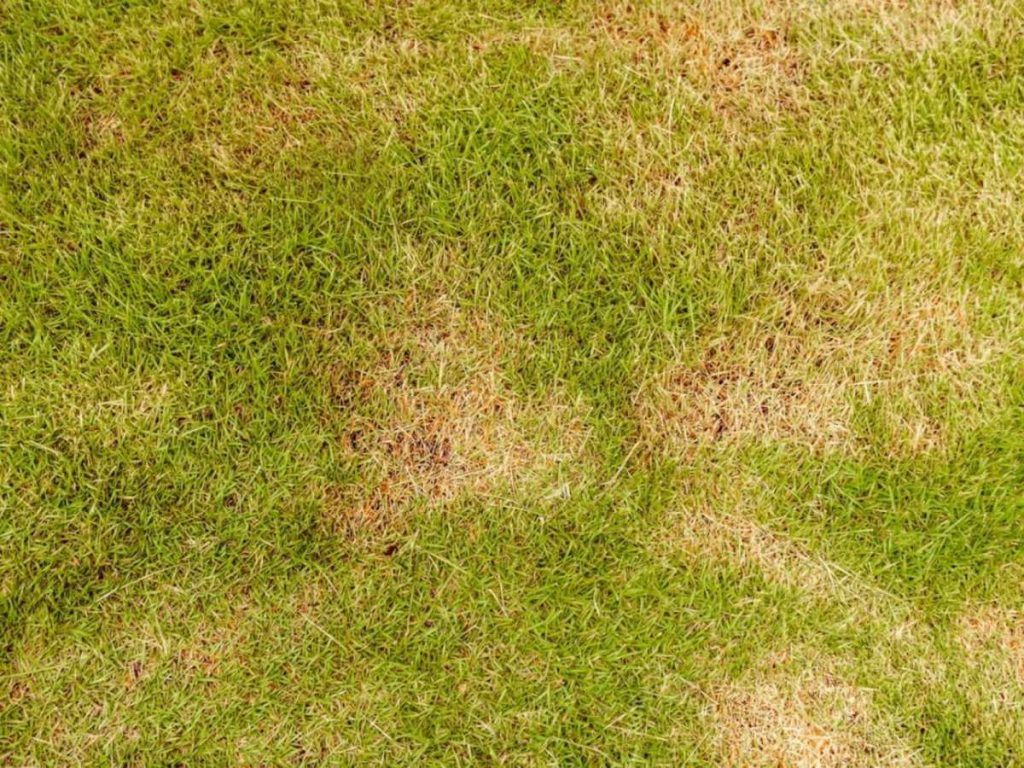
If your Zoysia grass is suddenly turning brown or thinning out, don’t panic — quick action can save your lawn. The main cause usually revolves around improper watering, poor soil health, or pests, but identifying the specific issue is key. Addressing these factors promptly can help your grass recover and thrive again.
In short, Zoysia grass dying often points to issues like overwatering, drought stress, or pests. Correcting watering habits, improving soil quality, and managing pests can turn things around. With a little care, you can restore your lush, green lawn.
If your Zoysia grass is dying, it can be really disheartening, especially when you’ve put so much effort into creating a beautiful yard. This warm-season grass is popular because of its drought tolerance and dense growth, but it’s sensitive to certain stresses. Changes in weather, improper watering practices, or pest infestations can quickly turn your healthy-looking turf into a patchy, brown mess. Recognizing the signs early and understanding the underlying causes is crucial for effective recovery. Whether it’s adjusting your watering schedule, improving soil drainage, or treating pest problems, taking timely steps can help your Zoysia bounce back. Don’t lose hope — a little troubleshooting and care can bring your lawn back to life.

Zoysia Grass Is Dying: What You Need to Know
Understanding the Signs of Zoysia Grass Dying
Zoysia grass is a popular choice for many lawns because of its lush, green appearance. However, noticing patches of brown or thinning areas can be a sign that the grass is dying. Common signs include yellowing leaves, root rot, and uneven growth.
Early detection is key to saving your lawn. If zoysia grass is dying, it often shows symptoms early on, so keep an eye out for unusual color changes or patchy areas. Recognizing these signs helps you act quickly to prevent further damage.
Common Causes of Zoysia Grass Dying
There are many reasons why your zoysia grass might start dying. Understanding these causes can help you address the problem effectively:
Inadequate Watering
Too much or too little water can stress zoysia grass. Overwatering leads to root rot, while underwatering causes dehydration. Both extremes can cause grass to turn brown and die.
Poor Soil Conditions
Soil that does not drain well or lacks essential nutrients can harm zoysia grass. Compacted soil reduces airflow to roots, making the grass more vulnerable to disease and drought stress.
Pest Infestations
Insects like grubs and chinch bugs damage the roots and blades of zoysia grass. Severe infestations weaken the grass, leading to patches of dead or dying turf.
Fungal Diseases
Fungal infections such as brown patch or dollar spot can cause large sections of grass to turn brown and die. These diseases thrive in humid or excessively wet conditions.
Temperature Extremes
Zoysia grass is sensitive to temperature changes. Excessive heat can cause it to go dormant, while frost can kill tender shoots, especially if they are not well-insulated.
How to Diagnose Why Zoysia Grass Is Dying
Proper diagnosis is crucial before starting treatment. Here are steps to identify the root cause:
- Inspect the color and texture of the grass for signs of disease or pests.
- Check soil moisture levels by digging a small hole and feeling the soil in the root zone.
- Look for visible pests or insect damage on blades and stems.
- Assess recent weather conditions that may have stressed the lawn.
- Test soil pH and nutrient levels to identify deficiencies or imbalances.
Engaging in these steps will help you formulate an effective plan to save your zoysia grass.
Effective Strategies to Revive Dying Zoysia Grass
Once you understand why your grass is dying, you can take specific actions to revive it. Here are some practical tips:
Adjust Watering Practices
Ensure you are watering deeply and infrequently. This encourages deep root growth and prevents root rot. Use a rain gauge or soil moisture meter for accurate watering.
Improve Soil Quality
Aerate compacted soil to allow better airflow and nutrient penetration. Incorporate organic matter like compost to boost soil fertility. Testing soil pH and applying lime or sulfur can correct pH imbalances.
Control Pest and Disease
Use appropriate pesticides for pest control, following all safety instructions. Apply fungicides to treat fungal infections, and remove heavily infected turf to prevent spread.
Maintain Proper Mowing Height
Mow zoysia grass at a height of about 1 to 2 inches. Proper mowing encourages healthy growth and helps prevent disease.
Fertilize Correctly
Apply a balanced fertilizer rich in nitrogen during the growing season. Avoid over-fertilizing, which can promote disease and pests.
Preventing Future Damage to Zoysia Grass
Prevention is always better than cure. Here are tips to keep your zoysia grass healthy year-round:
- Water early in the morning to avoid prolonged dampness at night.
- Apply slow-release fertilizers regularly based on soil test results.
- Maintain proper mowing height and frequency.
- Inspect turf regularly for pests or disease symptoms.
- Aerate and overseed as needed to promote dense growth.
Creating a healthy lawn environment minimizes chances of zoysia grass dying in the future.
Seasonal Care Tips for Zoysia Grass
Different seasons require different care strategies:
Spring
Start fertilizing early and water consistently. Aerate to reduce soil compaction from winter.
Summer
Water deeply and infrequently to prevent drought stress. Watch for signs of pests and diseases.
Fall
Reduce watering gradually and prepare the lawn for dormancy. Reseed bare patches if needed.
Winter
Avoid heavy foot traffic and protect the grass from frost. Keep the lawn free of debris.
Related Topics to Consider
Other helpful subjects include:
Zoysia Grass Maintenance
Routine mowing, fertilization, and watering tips for maintaining healthy zoysia lawns.
Pest and Disease Management
Identifying and controlling common pests and fungal infections affecting zoysia.
Soil Testing and Amendments
Understanding soil health and choosing the right amendments to improve grass vitality.
Alternative Lawn Options
Exploring other grass types suitable for your climate if zoysia proves too difficult to maintain.
Environmental Factors Impacting Lawn Health
The role of shade, drainage, and microclimates in lawn care success.
The health of your zoysia grass depends on timely intervention, proper care, and understanding the specific needs of the grass. Addressing issues early can save your lawn from complete deterioration. Regular maintenance and observation are your best tools for keeping your grass vibrant and alive.
How to Improve Your Zoysia Grass | How to Fix a Crappy, Thin, and Brown Zoysia Lawn!!
Frequently Asked Questions
What are common causes for zoysia grass turning brown or dying?
Several factors can cause zoysia grass to die or turn brown, including improper watering, nutrient deficiencies, pest infestations, and disease. Overwatering can lead to root rot, while underwatering causes stress and dehydration. Lack of essential nutrients like nitrogen weakens the grass, making it more susceptible to pests and diseases. Identifying and addressing these issues promptly helps maintain healthy zoysia grass.
How does improper watering affect the health of my zoysia lawn?
Incorrect watering practices significantly impact zoysia grass health. Overwatering creates a moist environment that promotes fungal growth and root decay, leading to browning and dead patches. Conversely, underwatering causes the grass to dry out, turn brown, and eventually die. Maintaining a consistent watering schedule, allowing the soil to dry slightly between waterings, supports healthy root development.
Can pests or diseases cause my zoysia grass to die, and how can I identify them?
Yes, pests like chinch bugs and diseases such as brown patch can damage zoysia grass. Chinch bugs suck sap from the grass blades, causing yellowing and death of patches. Brown patch presents as circular, brown spots with a darker border, especially during humid conditions. Regular inspection, proper lawn care, and treatment with appropriate pesticides or fungicides prevent severe damage.
What steps can I take to revive my dying zoysia grass?
To revive your zoysia grass, first identify and address the underlying problem, whether it’s watering, pests, or nutrient deficiency. Aerate compacted soil to improve airflow and root growth. Fertilize with a balanced, slow-release fertilizer to provide essential nutrients. Avoid excessive foot traffic and dethatch if necessary. Consistent lawn care and patience help restore vitality to your grass.
When should I consider replacing my zoysia grass instead of trying to revive it?
If your efforts to revive the grass do not show improvement after several growing seasons, or if the area suffers from extensive damage, replacing it might be more practical. Persistent disease, severe pest infestation, or poor soil conditions can make restoration difficult. In such cases, consider testing the soil and choosing a more suitable grass variety for your climate to ensure better long-term success.
Final Thoughts
Zoysia grass is dying can result from improper watering, poor soil conditions, or pests. To effectively address the issue, assess the root cause and adjust care practices accordingly. Regular maintenance and proper fertilization help keep the grass healthy.
Ignoring these factors worsens the problem and may lead to total lawn loss. Starting corrective measures promptly can prevent further damage.
In conclusion, zoysia grass is dying due to multiple preventable reasons. Taking immediate action ensures the health of your lawn and preserves its beauty.