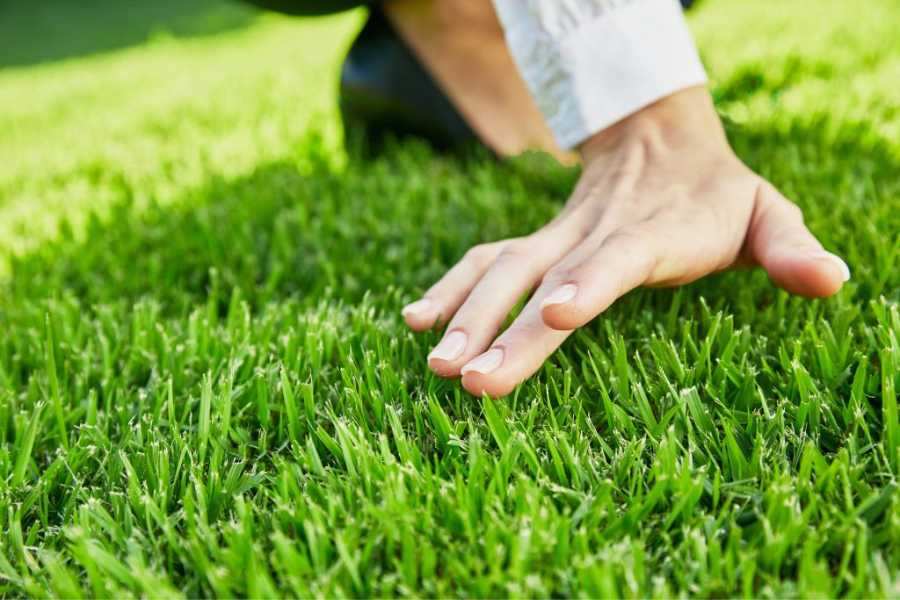
Zoysia grass is an excellent choice for creating a lush, green, and low-maintenance lawn that thrives in warm climates. It’s known for its durability and ability to handle foot traffic while staying beautifully green year-round. For homeowners seeking a resilient lawn that doesn’t require constant watering or mowing, zoysia is an ideal solution.
In short, zoysia grass is a hardy, drought-tolerant turf that provides a dense, attractive lawn with minimal upkeep. It adapts well to various soil conditions and offers excellent resistance to pests and diseases. If you want a stunning, easy-care lawn, zoysia grass might just be your perfect green partner.
Starting a lawn with zoysia grass means investing in a turf that combines beauty with practicality. This grass type not only enhances curb appeal but also saves time and effort in maintenance. It’s perfect for homeowners who want a vibrant lawn without the hassle of intensive care, especially in regions with warm temperatures. Zoysia’s slow growth rate means less frequent mowing, and its resistance to drought and foot traffic makes it a reliable, long-lasting choice. With proper planting and care, zoysia will transform your yard into a stunning outdoor space that stays healthy and attractive all year round.

Zoysia Grass for Lawn: The Ultimate Guide for a Healthy, Green Yard
What Is Zoysia Grass and Why Choose It for Your Lawn?
Zoysia grass is a warm-season grass known for its dense and lush appearance. It thrives in hot, sunny climates and grows slowly, making it easier to maintain. Many homeowners prefer zoysia because it creates a soft, inviting surface perfect for outdoor activities.
Key Benefits of Using Zoysia Grass
- Durability: Zoysia can withstand heavy foot traffic, making it ideal for family yards and play areas.
- Low Water Needs: Once established, it requires less water compared to other grasses.
- Weed Resistance: Its dense growth habit helps prevent weeds from sprouting through.
- Appearance: Zoysia produces a rich, emerald-green color that remains attractive throughout the growing season.
- Low Maintenance: It needs minimal fertilization and mowing, saving time and effort.
Types of Zoysia Grass Suitable for Lawns
Empire Zoysia
This variety is popular for its fine texture and dark green color. It adapts well to various soil conditions and has excellent drought tolerance.
Zeon Zoysia
Zeon grass offers a medium-coarse blade and is highly resistant to pests and diseases. It is known for its quick establishment.
Maui Zoysia
Ideal for warmer regions, Maui zoysia features a fine texture and light green shade. It is very shade tolerant and adapts well to coastal areas.
Climate and Soil Conditions for Growing Zoysia
Zoysia grass thrives in USDA zones 6 through 10. It prefers well-drained soil rich in organic matter. Adequate sunlight, ideally six hours or more daily, encourages healthy growth.
Temperature Tolerance
Zoysia tolerates hot summers but goes dormant in colder temperatures. In cooler climates, consider planting it in late spring for better establishment.
Soil Preparation Tips
To prepare your soil:
- Test soil pH; zoysia prefers slightly acidic to neutral soil (pH 5.5 to 6.5).
- Amend soil with organic matter or compost to improve drainage and fertility.
- Ensure proper leveling to prevent water pooling and promote even growth.
Establishing Zoysia Grass in Your Lawn
Methods of Planting
You can establish zoysia via sod, plugs, or seeds. Sod provides instant coverage, while plugs and seeds take longer but are more cost-effective.
Sod Installation Steps
- Remove existing grass and weeds thoroughly.
- Loosen soil and amend if necessary.
- Lay sod pieces tightly without gaps.
- Water immediately after installation and keep moist until established.
Planting Plugs or Seeds
For plugs:
- Space plugs about 6 to 12 inches apart for quick coverage.
- Water daily during establishment.
Seeds require warmer temperatures and consistent watering for successful germination.
Maintenance Practices for a Healthy Zoysia Lawn
Watering
Deep, infrequent watering encourages deep root systems. Typically, watering twice a week suffices, adjusting for rainfall and temperatures.
Mowing Guidelines
Maintain a height of 1 to 2 inches by mowing regularly. Avoid cutting more than one-third of the grass height at a time to prevent stress.
Fertilization Schedule
Apply a slow-release fertilizer in spring and mid-summer. Follow recommended rates and avoid over-fertilizing, which can lead to thatch buildup.
Thatch and Aeration
Zoysia can develop a layer of thatch. Aerate annually to improve soil compaction and oxygen flow, vital for lush growth.
Pest and Disease Management
Zoysia is relatively resistant but can face issues like chinch bugs and disease. Monitor regularly and apply appropriate treatments when necessary.
Common Problems and Solutions
- Chinch bugs: Use insecticidal soap or neem oil.
- Fungal diseases: Improve airflow and avoid overwatering.
Enhancing Your Zoysia Lawn with Proper Landscaping
Fertilizer and Soil Amendments
Use fertilizers rich in nitrogen during active growth periods. Organic amendments boost soil health and promote vigorous grass.
Landscaping Tips
Plant trees or shrubs strategically to provide shade, but avoid overly shaded areas that hinder zoysia growth. Incorporate pathways or outdoor furniture for a delightful backyard.
Comparing Zoysia to Other Lawn Grasses
| Feature | Zoysia Grass | Bermuda Grass | St. Augustine Grass |
|———|————–|————–|———————|
| Drought Tolerance | High | Moderate | Moderate |
| Wear Resistance | Excellent | Good | Fair |
| Maintenance Needs | Low | Moderate | Moderate |
| Shade Tolerance | Fair | Poor | Good |
| Color | Dark Green | Bright Green | Blue-Green |
This comparison highlights why zoysia is a top choice for those seeking a low-maintenance, durable, and attractive lawn that can handle a variety of conditions.
Final Tips for a Thriving Zoysia Lawn
– Ensure proper soil preparation before planting.
– Water deeply but infrequently to promote healthy roots.
– Mow at the recommended height consistently.
– Fertilize appropriately and avoid overfeeding.
– Monitor regularly for pests and diseases, taking action early.
Integrating these practices will help you maintain a vibrant and lush zoysia grass lawn that enhances your outdoor space. With patience and proper care, your yard will become a beautiful green oasis you’ll enjoy for years to come.
Zoysia | Pros Cons Tips and Tricks
Frequently Asked Questions
How does Zoysia grass perform in various soil conditions?
Zoysia grass adapts well to a range of soil types, including sandy, clay, and loamy soils. It prefers well-draining soil with a moderate pH level between 5.5 and 6.5. To ensure optimal growth, it’s beneficial to amend the soil with organic matter if it’s heavily compacted or has poor drainage. Regular testing and proper soil preparation help Zoysia establish a healthy root system and maintain its lush appearance.
What are the best practices for watering Zoysia grass?
Zoysia grass requires deep, infrequent watering to promote strong root development. It’s best to water once or twice a week, providing enough moisture to penetrate 6 to 8 inches into the soil. During hot and dry periods, increase the frequency slightly, but avoid overwatering, which can lead to disease issues. Using a rain gauge helps monitor rainfall and ensure consistent watering practices.
How can I manage pests and diseases that affect Zoysia lawns?
Prevent pests and diseases by maintaining proper lawn care routines, such as mowing at the correct height, watering appropriately, and avoiding over-fertilization. Common pests include cutworms and chinch bugs, which can be controlled with targeted treatments. Diseases like brown patch and rust can be minimized by improving air circulation, removing thatch buildup, and applying fungicides when necessary. Regular inspections help catch issues early and keep your lawn healthy.
What mowing height is ideal for Zoysia grass?
For Zoysia grass, setting the mower height between 1 and 2 inches works best. Maintaining this height promotes a dense turf, discourages weeds, and enhances drought tolerance. Adjust the mowing height based on the season, raising it slightly during periods of stress or high temperatures. Regular mowing, without removing more than one-third of the grass height at a time, encourages strong, healthy growth.
What fertilization schedule benefits Zoysia grass growth?
Apply a balanced fertilizer with an emphasis on nitrogen every 6 to 8 weeks during the active growing season. Using slow-release fertilizers ensures a steady supply of nutrients and minimizes runoff. Avoid excessive fertilization, which can lead to thatch buildup and increased vulnerability to pests and diseases. Conducting soil tests helps determine specific nutrient needs, allowing for tailored fertilization that supports vibrant, healthy Zoysia lawns.
Final Thoughts
Zoysia grass for lawn offers a durable and attractive option for homeowners seeking a lush, green space. Its drought tolerance and low maintenance needs make it ideal for various climates. Regular care ensures a healthy, even turf that enhances your home’s curb appeal. In summary, choosing zoysia grass for lawn provides a practical and beautiful solution for long-lasting greenery.