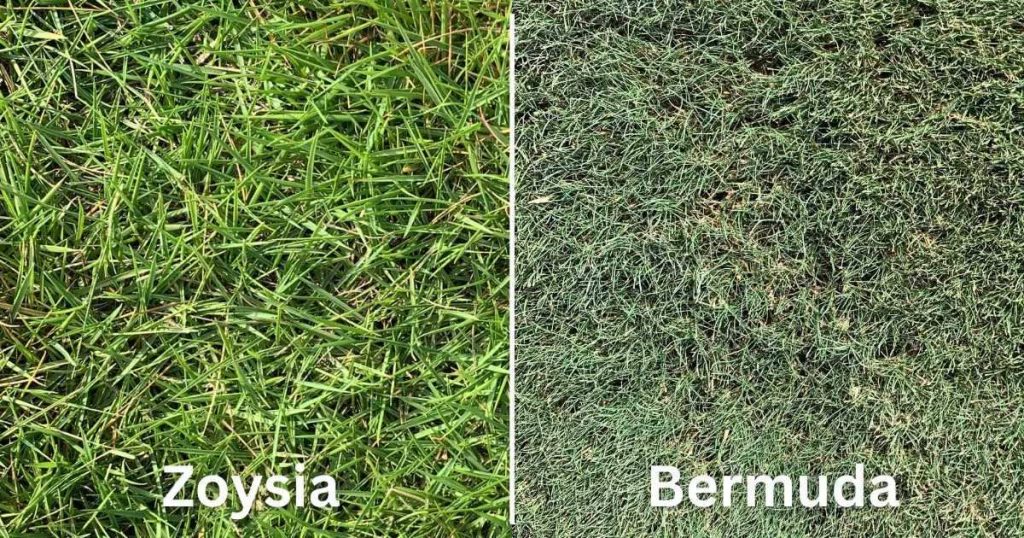
Choosing between zoysia grass and bermudagrass depends on your climate, lawn use, and maintenance preferences. Zoysia offers a soft, lush look and tolerates shade better, while bermudagrass is tough, drought-resistant, and ideal for high-traffic areas. Both are popular warm-season grasses, but understanding their differences can help you select the perfect fit for your yard.
In short, zoysia is perfect for a softer, slower-growing, and shade-tolerant lawn, whereas bermudagrass excels in durability, heat tolerance, and quick recovery from wear. Your choice hinges on how you plan to enjoy and care for your lawn, along with your regional climate.
Looking to improve your lawn’s appearance and resilience? Deciding between zoysia grass and bermudagrass can seem challenging, but understanding their unique qualities can guide you to the right choice. Zoysia and bermudagrass are two of the most popular warm-season grasses, each with its own advantages and considerations. Zoysia’s fine texture and shade tolerance make it ideal for a more relaxed, lush landscape, while bermudagrass’s vigorous growth and drought resistance are perfect for active yards and sports fields. Knowing your lawn’s specific needs, your climate, and maintenance expectations will help you select the best grass to enjoy a healthy, beautiful yard year-round.

Zoysia Grass and Bermudagrass: An In-Depth Comparison for Your Lawn
Introduction to Zoysia Grass and Bermudagrass
Zoysia grass and bermudagrass are two popular warm-season turf grasses used for lawns, golf courses, and sports fields. Both grasses thrive in warm climates and are known for their durability and lush appearance. Understanding the differences between these two grasses helps homeowners and landscapers choose the right type for their needs.
Origins and Geographic Suitability
Zoysia Grass
Zoysia originates from Asia and parts of Australia. It adapts well to regions with hot summers and mild winters. This grass is less tolerant to cold temperatures, making it ideal for southern states and tropical zones.
Bermudagrass
Bermudagrass comes from Africa and the Middle East. It is highly adaptable across many warm regions, especially in the southern United States. Bermudagrass handles heat and drought conditions better than many other grasses, making it a top choice for southern lawns.
Growth Habits and Appearance
Zoysia Grass
Zoysia’s growth is slow but steady. It develops a dense, carpet-like turf with fine to medium leaf blades. The grass has a soft texture, inviting foot traffic and comfortable outdoor play.
Bermudagrass
Bermudagrass grows quickly and spreads aggressively through rhizomes and stolons. It forms a dense, coarse-textured turf that often looks very lush and vibrant, especially during peak growing seasons.
Maintenance Requirements and Care
Zoysia Grass
Zoysia requires less mowing due to its slower growth rate, typically needing mowing once every one to two weeks. It needs moderate watering and benefits from occasional aeration. Fertilizer applications should be balanced, with attention to nitrogen levels.
Bermudagrass
Bermudagrass demands frequent mowing because of its rapid growth, often two to three times weekly during peak season. It loves full sun and requires regular watering, especially during dry spells. Fertilizer should be high in nitrogen to promote vibrant growth.
Shade Tolerance and Sunlight Needs
Zoysia Grass
Zoysia tolerates some shade, making it flexible for yards with partial shade trees. However, it performs best in full sun for vigorous growth and dense turf quality.
Bermudagrass
Bermudagrass prefers full sun and struggles in shaded areas. Its growth diminishes significantly with less than six hours of direct sunlight per day.
Cold Weather Tolerance
Zoysia Grass
Zoysia has better cold tolerance than bermudagrass. It can survive brief cold spells but may go dormant in winter, turning brown temporarily.
Bermudagrass
Bermudagrass is less cold-hardy and often goes dormant in winter in cooler regions, turning brown or dormant until spring. In warmer zones, it stays green year-round.
Drought Resistance and Watering Needs
Zoysia Grass
Zoysia’s deep root system provides good drought resistance once established. It requires less frequent watering but benefits from regular watering during dry periods.
Bermudagrass
Bermudagrass is highly drought-tolerant and can survive long dry spells. It often needs less water once fully established, making it suitable for low-water landscapes.
Wear Tolerance and Traffic Resistance
Zoysia Grass
Zoysia’s dense turf withstands foot traffic well but is slightly less resilient to heavy, continuous use compared to bermudagrass. Its soft blades are comfortable underfoot.
Bermudagrass
Bermudagrass excels in high traffic areas. Its aggressive growth and tough texture make it suitable for sports fields and lawns experiencing heavy use.
Growth Rate and Establishment Time
Zoysia Grass
Zoysia grows slowly, often taking over a year to fully establish. This slow growth means less frequent mowing but a longer establishment period.
Bermudagrass
Bermudagrass establishes quickly, often within a few months. Its rapid growth helps it fill in bare spots faster but requires more maintenance during the transition.
Soil Preferences and Preparation
Zoysia Grass
Zoysia prefers well-drained, slightly acidic to neutral soils. Soil testing is recommended before planting to optimize growth conditions.
Bermudagrass
Bermudagrass adapts to a wide range of soil types but performs best in sandy, well-drained soils. Proper soil preparation encourages healthy root development.
Pest and Disease Resistance
Zoysia Grass
Zoysia shows good resistance to pests and diseases but can be susceptible to weeds if not properly maintained. Vigilance helps keep the turf healthy.
Bermudagrass
Bermudagrass is generally resilient but can suffer from pests such as armyworms and diseases like leaf spot when conditions favor their development.
Cost of Installation and Maintenance
Zoysia Grass
Zoysia tends to be more expensive to establish due to its slow growth and the cost of sod or plugs. Maintenance costs are moderate owing to less frequent mowing.
Bermudagrass
Bermudagrass installation is often more affordable and quicker through seed or sod. However, its higher mowing frequency and water needs add to ongoing maintenance costs.
Environmental Impact and Sustainability
Zoysia Grass
Zoysia’s low water and fertilizer needs make it an environmentally friendly choice. Its drought resistance reduces water consumption, benefiting sustainable landscaping.
Bermudagrass
Bermudagrass’s drought tolerance and quick growth reduce resource use, but higher fertilization and mowing might increase its ecological footprint.
Choosing the Best Grass for Your Lawn
The decision between zoysia grass and bermudagrass depends on your climate, maintenance capacity, and lawn use. For shade-tolerant, low-maintenance lawns, zoysia offers benefits. For high-traffic, sunny areas, bermudagrass is often preferred.
Related Topics for Further Exploration
- Best fertilization practices for warm-season grasses
- Proper mowing techniques for turf health
- Soil testing and amendments for optimal growth
- Dealing with common pests and diseases in lawns
- Water conservation tips for lawn care
In summary, choosing between zoysia grass and bermudagrass involves understanding their unique growth habits, environmental needs, and maintenance requirements. Both grasses can create beautiful lawns but serve different purposes based on climate and usage. By considering these factors, you can make an informed decision that results in a healthy, attractive lawn for years to come.
Zoysia Grass vs Bermuda Grass for Lawns
Frequently Asked Questions
What are the main differences between Zoysia grass and Bermudagrass in terms of maintenance?
Zoysia grass typically requires less mowing and fertilization compared to Bermudagrass. It grows slower, which means you won’t need to cut it as often, and it tends to stay greener longer with less water and fertilizer. Bermudagrass grows quickly and needs frequent mowing, especially during peak growing seasons, and may require more frequent fertilization to maintain its vibrant appearance. Additionally, Zoysia’s dense root system makes it more resistant to drought, reducing the need for supplemental watering compared to Bermudagrass.
How do Zoysia grass and Bermudagrass perform in shaded areas?
Zoysia grass generally performs better in shaded areas than Bermudagrass. It tolerates partial shade more effectively and maintains a healthy appearance in areas with limited sunlight. Bermudagrass prefers full sun and may struggle to establish or remain lush in shaded zones, often turning patchy or thin. If your yard has significant shaded regions, planting Zoysia can offer a more consistent green cover than Bermudagrass.
Which grass type offers better resistance to foot traffic?
Bermudagrass tends to withstand frequent foot traffic more effectively than Zoysia. Its aggressive growth habit helps repair worn spots quickly, making it suitable for active lawns and sports fields. Zoysia has a denser, fine-textured surface that can handle moderate activity, but it may recover more slowly from heavy use. When selecting a grass for high-traffic areas, Bermudagrass provides a more durable option.
In which climate conditions do Zoysia grass and Bermudagrass thrive best?
Zoysia grass performs well in warm climates with mild winters, especially in areas with humid summers. It can tolerate some cold temperatures, but prolonged frosts may damage it. Bermudagrass prefers hot, sunny environments with high temperatures and does exceptionally well in southern regions. Both grasses require well-drained soil and plenty of sunlight to grow optimally, but Bermudagrass suits areas with long, hot summers better than Zoysia.
How do Zoysia and Bermudagrass compare regarding weed suppression?
Zoysia grass generally suppresses weeds more effectively because of its dense growth and tight turf canopy. It shades out many weed seedlings, reducing their chances to establish. Bermudagrass also forms a dense turf but tends to have more open patches until fully established, allowing weeds to invade. Proper maintenance and fertilization help maximize weed suppression for both types, yet Zoysia’s thick coverage offers an added advantage in preventing weed growth.
Final Thoughts
Zoysia grass and bermudagrass stand out as popular turf choices due to their durability and lush appearance. Zoysia offers dense coverage and tolerates shade, making it ideal for varied climates. Bermudagrass thrives in full sun and recovers quickly from wear. Both grasses require proper maintenance to stay healthy and vibrant. Choosing between them depends on your local climate and usage needs. Ultimately, understanding their specific benefits helps you select the perfect grass for your lawn.