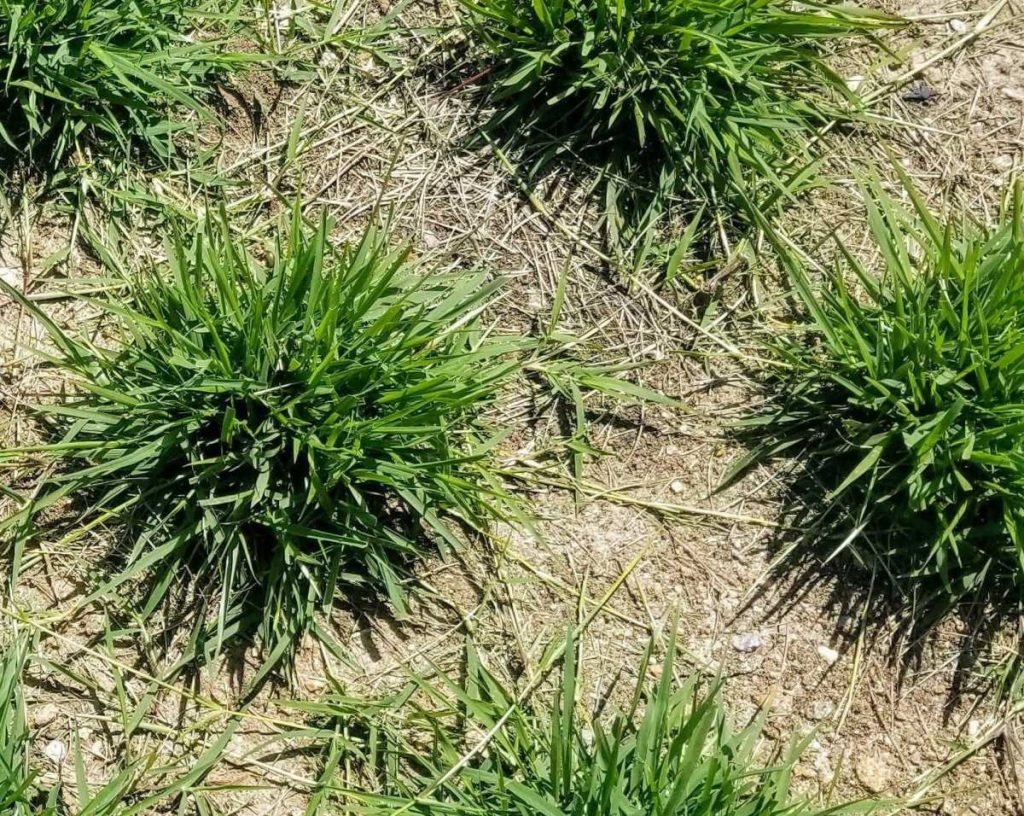
If you’re battling unwelcome weeds in your lush Zoysia grass, don’t worry—there are effective ways to keep your lawn pristine and healthy. The key is to understand how to control weeds without harming your grass, ensuring your yard stays vibrant and weed-free.
Short answer: To manage weeds in Zoysia grass, regularly mow at the right height, apply targeted herbicides carefully, and maintain healthy lawn practices like proper watering and fertilizing. Consistent weed removal and overseeding will also help keep your yard looking its best.
Maintaining a beautiful Zoysia grass lawn can be both rewarding and challenging, especially when weeds start encroaching on your pristine turf. Weeds can quickly take over, competing with your grass for nutrients, water, and sunlight, which results in patchy and unhealthy areas. The good news is that with a few strategic steps, you can keep your lawn looking lush and weed-free. Understanding the unique needs of Zoysia grass—such as its mowing height, water requirements, and growth habits—will help you develop a targeted approach to weed control. Whether you’re a seasoned gardener or a casual homeowner, mastering these techniques will ensure your yard remains the envy of the neighborhood.

Zoysia Grass and Weeds: Everything You Need to Know
Understanding Zoysia Grass
Zoysia grass is a popular warm-season turfgrass known for its dense growth and ability to tolerate heat and drought. It creates a thick, lush carpet that looks great in lawns, parks, and golf courses. Its slow growth rate makes it easier to manage once established, but it does take time to fully develop.
Characteristics of Zoysia Grass
Zoysia has fine to medium-textured blades that form a tight mat. It is highly resistant to foot traffic, making it ideal for areas with heavy use. Its deep root system helps it withstand drought conditions and recover quickly from damage.
Benefits of Growing Zoysia Grass
- Low water requirements compared to other grasses
- Excellent drought and heat tolerance
- Fast recovery from damage and wear
- Resistant to pests and diseases
- Creates a beautiful, carpet-like appearance
Common Types of Zoysia Grass
There are several popular varieties of zoysia suitable for different climates:
- Meyer Zoysia: Known for its soft texture and dark green color
- Zoysia japonica: Tolerant to cold but slower to establish
- Emerald Zoysia: Bright green and dense, great for golf courses
Establishing Zoysia Grass
Getting a healthy stand of zoysia starts with proper planting. You can establish it through plugs, sod, or seed, though sod and plugs are more common. Ensure the soil is well-prepared with good drainage and ample nutrients for optimal growth.
Care and Maintenance Strategies for Zoysia
Maintaining zoysia involves regular mowing, watering, and fertilizing. Keep the mowing height around 1 to 2 inches to encourage dense growth. Water deeply but infrequently to promote deep roots, especially during dry spells. Fertilize at least twice a year with a balanced fertilizer to keep the grass healthy.
Common Weeds Found in Zoysia Lawns
Despite its dense growth, zoysia can still be affected by various weeds. These unwanted plants compete for nutrients, water, and sunlight, threatening the health of your lawn. Common weeds include:
- Crabgrass
- Dandelions
- Clover
- Nutsedge
- Bindweed
Why Weeds Are a Problem in Zoysia Lawns
Weeds can quickly take over if not managed. They spread rapidly and weaken the turf by stealing essential resources. Their presence can also make the lawn look uneven and unattractive.
Identifying Weeds in Zoysia Grass
Accurate identification helps in choosing the right control method. For example:
- Crabgrass: Coarse, wide leaves with a crab-like seed head
- Dandelions: Bright yellow flowers with deep taproots
- Nutsedge: Grass-like appearance with triangular stems
- Clover: Small green leaves with white or pink flowers
- Bindweed: Vine-like growth with white or pink trumpet-shaped flowers
Controlling Weeds in Zoysia Grass
Effective weed control involves cultural, mechanical, and chemical methods:
Culture
- Maintain a healthy, dense zoysia lawn to prevent weed establishment
- Proper mowing height discourages weed growth
- Water deeply to promote deep roots and outcompete weeds
Mechanical Control
- Hand-pulling weeds, especially small or isolated patches
- Using tools like weed removers or hoes to uproot weeds
- Regularly aerating the lawn improves soil health and reduces weed pressure
Chemical Control
- Apply pre-emergent herbicides in early spring to prevent weed seeds from germinating
- Use post-emergent herbicides specifically labeled for weeds in zoysia lawns
- Always follow the manufacturer’s instructions to avoid damaging your turf
Best Practices for Weed Prevention
Prevention is better than cure. Keep your zoysia lawn healthy by:
- Maintaining proper fertilization schedule
- Ensuring appropriate watering practices
- Correct mowing heights to promote dense growth
- Regularly inspecting and removing weeds early before they seed
Impact of Environmental Conditions on Weeds and Zoysia
Environmental factors such as soil type, sunlight, and moisture levels influence weed invasions. Well-maintained, healthy zoysia naturally suppresses weeds, even in challenging conditions. Conversely, stressed grass becomes vulnerable, so consistent care is key.
Related Topics
- Soil Testing for Zoysia Lawn Health
- Best Fertilizers for Zoysia Grass
- Watering Tips for Healthy Zoysia
- Dealing with Pests and Diseases in Zoysia Lawns
Integrating Weed Control into Your Lawn Care Routine
Create a schedule that includes regular mowing, watering, and fertilizing to keep zoysia robust. Incorporate seasonal weed control measures, especially in spring and fall, to manage weed pressure effectively. Consistency helps prevent weeds from gaining a foothold.
Using Proper Equipment for Weed Management
Invest in quality tools to remove weeds efficiently. Use sprayers with calibrated herbicide applicators for targeted weed control. Proper equipment minimizes damage to the zoysia while maximizing weed removal.
Maintaining a lush zoysia lawn requires understanding its growth habits and staying vigilant against weeds. Combining good cultural practices with timely weed control methods keeps your lawn healthy and attractive. Regular care, proper identification, and prevention strategies ensure that your zoysia remains the star of your yard.
How To Care For Zoysia Grass!! Full Guide!! Fertilizer | Mowing | Watering | Pest | Fungus | Weeds
Frequently Asked Questions
What are the most effective ways to prevent weed growth in zoysia grass?
To minimize weed invasion in zoysia grass, start by maintaining a thick and healthy turf through proper watering, fertilization, and mowing. Regularly inspect the lawn and promptly remove any weeds before they produce seeds. Applying a pre-emergent weed control in early spring can also help prevent weed seeds from germinating. Avoid over-watering, as excess moisture encourages weed growth, and ensure proper soil aeration to promote dense zoysia coverage.
How can I safely remove weeds without damaging my zoysia grass?
Use hand pulling or spot treatments with a targeted weed killer to remove weeds carefully. When using herbicides, choose products labeled safe for warm-season grasses like zoysia. Apply herbicides during optimal weather conditions, such as cool, dry days, and follow the manufacturer’s instructions precisely to protect your grass. Regularly monitor your lawn to catch weeds early and prevent their spread while avoiding damage to the surrounding zoysia grass.
What combination of practices encourages zoysia grass to outcompete weeds naturally?
Maintaining a healthy, dense zoysia lawn forms a natural barrier against weeds. Regular mowing at the recommended height, proper fertilization, and consistent watering promote vigorous growth. Aerate the soil periodically to reduce compaction and improve nutrient absorption. Additionally, overseeding bare patches with zoysia helps fill gaps that weeds might otherwise occupy, ensuring the grass naturally suppresses weed emergence.
Are there specific types of weeds that commonly invade zoysia lawns, and how do I identify them?
Common weeds in zoysia lawns include crabgrass, dollarweed, and broadleaf weeds like clover. Crabgrass appears as coarse, sprawling patches during spring and summer. Dollarweed, also known as pennywort, has rounded, glossy leaves that form dense mats. Clover has small, white or pink flowers and spreads quickly across the turf. Identifying these weeds early allows you to apply targeted control measures before they become established.
What seasonal tips can help manage weed growth in zoysia grass?
In early spring, apply pre-emergent herbicides to prevent weed seed germination. During the active growing season, maintain regular mowing and fertilization schedules to keep your zoysia dense. In late fall, avoid excessive watering to reduce favorable conditions for weed growth. Conduct thorough inspections throughout the seasons and address weeds promptly with manual removal or spot treatments to keep your lawn healthy and weed-free.
Final Thoughts
Zoysia grass and weeds require regular maintenance to stay healthy. Proper mowing and watering help promote thick, resilient turf. Controlling weeds prevents them from competing with zoysia grass for nutrients.
Applying targeted herbicides and manual removal keeps weeds at bay. Healthy zoysia grass forms a dense mat that naturally suppresses weed growth. Consistent care ensures your lawn remains lush and free of invasive plants.
In summary, managing zoysia grass and weeds involves proactive steps and routine upkeep. A well-maintained lawn enhances curb appeal and prevents weeds from taking over.