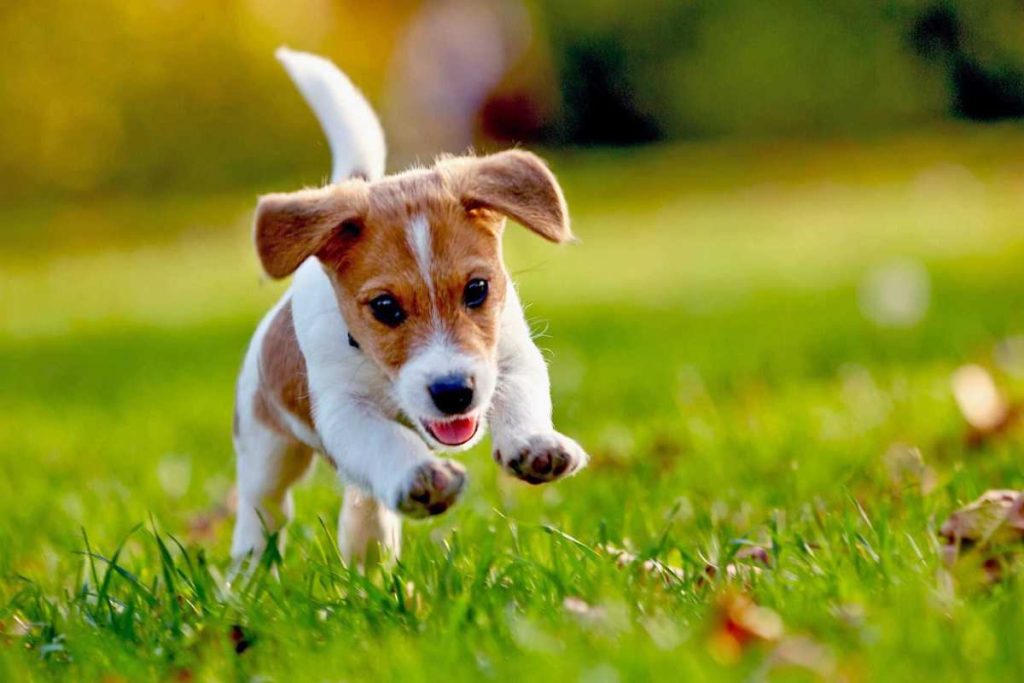
If you love having a lush yard with dogs roaming freely, you might wonder if Zoysia grass is a safe choice for your furry friends. The good news is, Zoysia grass is generally dog-friendly and can be a great durable ground cover that stands up to pet activity. However, it’s important to watch for any signs of allergic reactions or irritation, and to keep an eye on your dog’s behavior around the grass. Regular maintenance and proper watering can help ensure your yard remains safe and inviting for both humans and pets.
In short, Zoysia grass is a safe and resilient option for homes with dogs, provided you monitor their interaction and maintain the lawn properly. It offers a soft, forgiving surface that can withstand the wear and tear of active pups, making it a popular choice for pet owners.
Having a yard where your dogs can run, play, and relax without worry about harmful chemicals or tough terrain is every pet owner’s dream. Zoysia grass is not only visually appealing but also a practical choice for pet-friendly lawns because of its durability and safety features. Its ability to tolerate foot traffic and resist pests makes it a low-maintenance solution for families eager to enjoy outdoor life with their pets. Still, it’s wise to consider some precautions, like avoiding pesticides or fertilizers that might harm your dogs, and encouraging them not to dig excessively. When cared for properly, Zoysia grass can create a vibrant, safe outdoor haven where your dogs can thrive happily.

Zoysia Grass and Dogs
Understanding Zoysia Grass and Its Popularity
Zoysia grass is a warm-season turfgrass known for its dense growth and durability. It creates a lush, green lawn that looks beautiful year-round with proper care. Many homeowners love zoysia because it tolerates foot traffic well, making it a common choice for yards with active dogs.
Benefits of Zoysia Grass for Dog Owners
Zoysia has several advantages that make it dog-friendly. Its dense matting helps prevent muddy spots caused by dogs digging or running. Additionally, zoysia’s deep root system makes it resistant to drought, reducing the need for frequent watering, which is helpful for busy pet owners.
How Zoysia Grass Handles Dog Activity
Zoysia’s tight growth pattern offers good resilience against wear and tear from dogs. It recovers quickly after being stepped on or dug into, maintaining its lush appearance. This makes it suitable for energetic dogs that love to run or play on the lawn.
Durability and Resilience
Zoysia’s tough texture withstands dog paws, reducing the risk of patches or torn grass. It’s less likely to get damaged by sharp claws, protecting your lawn and your dog’s paws.
Recovery Speed
The grass’s ability to bounce back after damage means your lawn stays green and healthy even with frequent dog activity. Regular aeration and proper watering improve its recovery time further.
Potential Challenges of Using Zoysia Grass with Dogs
While zoysia is generally dog-friendly, some issues might arise. Its dense growth can trap debris, leading to the need for regular cleaning. Also, dogs might be tempted to dig in certain spots, which could cause local damage.
Dealing with Digging and Turf Damage
Dogs often dig in lawns for fun or boredom. Even with resilient grass, persistent digging can create bald patches. Training dogs to avoid digging in the yard helps preserve the lawn’s condition.
Managing Allergies and Toxicity
Zoysia is non-toxic to dogs, which is a significant safety feature. However, some dogs may develop allergies to certain grasses, so it’s important to observe your pet’s reactions.
Maintenance Tips for a Dog-Friendly Zoysia Lawn
Maintaining a healthy zoysia lawn involves regular care practices that are compatible with dog activity. Proper mowing, watering, and fertilizing keep the grass lush and resistant to damage.
Regular Mowing
Keep your zoysia grass at a height of around 1.5 to 2 inches for optimal health and durability. Frequent mowing helps prevent the grass from becoming too tall, which can be harder for dogs to traverse.
Watering and Irrigation
Water deeply but infrequently to encourage deep root growth. Proper watering makes the lawn more resilient and less prone to drought stress.
Fertilization and Soil Health
Use a balanced fertilizer to promote strong growth. Healthy grass recovers faster from dog activity and resists pests and diseases.
Preventing and Repairing Damage
Damage prevention is key for dog owners. Using designated digging areas, watering patches thoroughly, and overseeding bald spots help maintain lawn integrity.
Designated Play Zones
Creating specific play zones with softer ground or mulch can protect the main lawn. Dogs learn where they can play freely, reducing grass damage.
Repairing Damaged Areas
Overseeding bald patches with fresh zoysia seed or plugs restores the lawn quickly. Regular maintenance ensures patches don’t spread or worsen.
Related Topics for Dog and Lawn Care
To keep your lawn healthy while caring for your dog, consider other aspects such as pest control, weed management, and pet-safe fertilizers. Understanding how these elements interact helps create a sustainable, dog-friendly yard.
Pest and Weed Control
Use pet-safe herbicides and natural pest repellents to protect your lawn and your pets. Avoid chemical products that could harm dogs.
Pet-Safe Fertilizers
Choose fertilizers labeled as safe for pets to prevent accidental poisoning. Organic options often work well for maintaining turf health.
Additional Lawn Care Tips
Regular aeration improves soil health and reduces compaction caused by dog activity. Mulching around flower beds minimizes mud and debris on the lawn.
A zoysia grass lawn can be an excellent surface for homes with dogs when properly maintained. Its durability, quick recovery, and safety make it a top choice among pet owners. By following specific care tips, you can enjoy a green, healthy yard that welcomes your furry friends and withstands their activities. Regular lawn maintenance, training your dogs, and addressing damage promptly help keep your yard looking its best. Whether you have small dogs or energetic pups, zoysia offers a practical and attractive solution for a dog-friendly outdoor space.
Zoysia Grass and Dogs – Houston Grass – Sugar Land Pearland Richmond TX
Frequently Asked Questions
Is zoysia grass safe for dogs to play on regularly?
Yes, zoysia grass is generally safe for dogs to play on. It is a natural grass type that does not contain harmful chemicals if properly maintained. However, prevent your dog from ingesting large amounts of grass, as this can upset their stomach, especially if the lawn is treated with fertilizers or pesticides. Regularly inspect your yard for any potentially toxic plants or debris to keep your dog safe while playing outdoors.
Can zoysia grass cause any allergic reactions in dogs?
While rare, some dogs may develop skin irritation or allergies to certain grasses, including zoysia. Soil or pollen allergies can cause itching, redness, or dermatitis. Observe your dog for any signs of allergic reactions such as excessive scratching, licking, or inflamed skin after contact with the grass. If any symptoms appear, consult your veterinarian for guidance and consider maintaining a clean and well-manicured lawn to reduce allergens.
What maintenance practices should I follow to keep zoysia grass safe for dogs?
To ensure zoysia grass remains safe for your dogs, avoid using chemical pesticides, herbicides, or fertilizers that could be toxic. Opt for organic or pet-safe products when necessary. Regularly mow the lawn to a suitable height, remove any debris, and keep the grass healthy through proper watering and aeration. These practices help prevent mold or bacteria growth, creating a cleaner environment for your pets to enjoy.
Does zoysia grass require special care to prevent pests that might harm dogs?
Zoysia grass is relatively resistant to pests, but occasional insects like grubs or chinch bugs can pose problems. Use pest control methods that are safe for pets, avoiding harsh chemicals. For severe infestations, consult a professional to apply pet-safe treatments. Maintaining overall lawn health through proper fertilization and watering reduces pest attraction and helps keep your yard safe for dogs.
Would overexposure to zoysia grass be harmful to my dog’s health?
Limited overexposure generally does not cause harm, but excessive exposure might lead to skin irritation or ingestion issues if your dog chews or eats large amounts of grass. Ensure your dog has access to shade and fresh water, and limit prolonged periods of play on the grass. Regularly monitor your pet to prevent any adverse reactions and consult your veterinarian if you notice any health concerns after outdoor activities.
Final Thoughts
Zoysia grass offers a soft, durable surface perfect for homes with dogs. Its dense growth helps prevent muddy patches and keeps the yard looking neat. Regular maintenance ensures the grass remains healthy and safe for pets.
When considering your lawn, understand how zoysia grass and dogs interact to ensure a happy, healthy outdoor space. Proper care helps maintain the grass’s resilience and keeps your pets comfortable.
In conclusion, zoysia grass and dogs make a great combination for a beautiful, pet-friendly yard. Proper upkeep ensures both your lawn and your furry friends thrive.