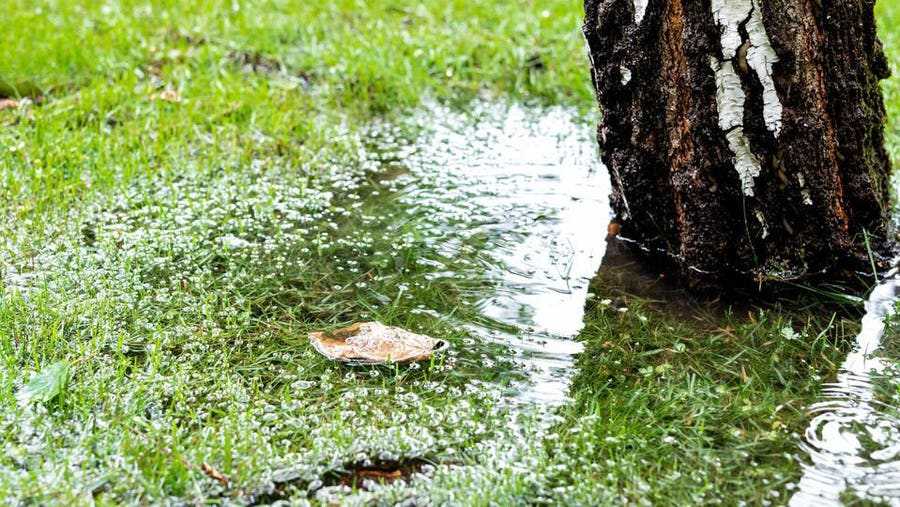
Quick Answer: Looking for ways to improve the drainage in your yard? Here are 13 solutions that you can implement right away to prevent water pooling, protect your landscape, and keep your yard dry and functional. From simple fixes like redirecting downspouts and adjusting the slope of your lawn to more advanced solutions like installing French drains or dry wells, these ideas will help you tackle even the most stubborn drainage problems. Whether you have a small patch of soggy lawn or a larger area that floods after heavy rain, these solutions will help you reclaim your yard and create a more enjoyable outdoor space. So let’s dive in and discover the yard drainage solutions you can start implementing today!
————————————————————
Have you ever stepped outside after a heavy rain and found your yard transformed into a small lake? Or perhaps you’ve noticed water pooling in certain areas, causing damage to your landscaping and making it difficult to use your outdoor space. Poor drainage can be a frustrating and costly problem for homeowners, but the good news is that there are solutions available.
In this article, we will explore 13 yard drainage solutions that you can implement today to improve the water flow and prevent future flooding issues. Whether you have a small backyard or a sprawling lawn, these ideas can be tailored to suit your needs. So let’s get started and turn your soggy yard into a dry and functional outdoor oasis!

13 Yard Drainage Solutions You Can Implement Today
Are you tired of dealing with a constantly soggy yard? Do you find yourself battling with puddles and poor drainage after every rainstorm? If so, you’re not alone. Many homeowners struggle with yard drainage issues, which not only make their outdoor spaces unusable but can also lead to more significant problems like water damage, erosion, and even foundation issues.
Luckily, there are several yard drainage solutions you can implement today to solve these problems once and for all. In this comprehensive guide, we will explore 13 effective and practical solutions that will help you create a dry and functional yard. Let’s dive right in!
1. Install a French Drain
A French drain is a popular and efficient solution for addressing yard drainage problems. It consists of a trench filled with gravel and a perforated pipe that redirects water away from your yard. This system provides an easy pathway for water to flow, preventing it from pooling and causing damage. Installing a French drain requires digging a trench, laying the pipe, and covering it with gravel. The excess water then flows through the pipe and away from your yard.
2. Opt for a Dry Well
A dry well is another excellent option for managing excess water in your yard. It works by collecting and storing water underground, allowing it to slowly disperse into the surrounding soil. To install a dry well, you’ll need to dig a large hole, line it with landscape fabric, fill it with gravel, and cover the top with a cap or decorative stones. Dry wells are particularly useful if you have limited space or don’t want to redirect water away from your property.
3. Create a Rain Garden
A rain garden is a beautiful and eco-friendly solution for managing yard drainage. It involves planting native plants in a shallow depression in your yard to absorb and filter excess water. Rain gardens not only help control water runoff but also attract beneficial insects and birds, improve soil quality, and enhance the overall aesthetics of your outdoor space. When planning and designing your rain garden, consider factors such as the slope of your yard, sun exposure, and the types of plants suitable for your region.
4. Build Terraces or Retaining Walls
If your yard has a significant slope, building terraces or retaining walls can help prevent erosion and control water runoff. Terraces are flat platforms built on different levels, while retaining walls are vertical structures that hold soil in place. Both options help slow down the flow of water, allowing it to be absorbed by the ground instead of creating puddles or washing away topsoil. When constructing terraces or retaining walls, it’s crucial to consult with a professional to ensure proper installation and structural integrity.
5. Improve Soil Drainage
Improving the drainage of your soil is an essential step in tackling yard drainage issues. If your soil retains too much water, it can lead to standing water and poor drainage. One effective method to improve soil drainage is by adding organic matter such as compost, which helps break up compacted soil and allows water to flow more freely. Additionally, aerating your lawn regularly can also improve soil drainage by creating channels for water to penetrate the ground.
6. Redirect Downspouts and Gutters
A simple yet often overlooked solution is to redirect your downspouts and gutters away from your yard. Ensure that these water-collecting systems direct water at least six feet away from your home’s foundation. By doing so, you can prevent excess water from saturating your yard and causing drainage issues. Consider extending downspouts or installing gutter extensions to achieve optimal water redirection.
7. Install a Dry Creek Bed
A dry creek bed not only adds visual interest to your yard but also helps manage drainage effectively. It mimics the look of a natural stream or riverbed and allows water to flow freely during heavy rains. To create a dry creek bed, you’ll need to dig a shallow trench, line it with landscaping fabric, and fill it with river rocks or gravel. This attractive solution not only provides a pathway for water but also acts as a decorative element in your yard.
8. Construct Berms or Swales
Berms and swales are effective methods for diverting water away from certain areas of your yard. A berm is a raised mound of soil, while a swale is a shallow ditch. Both features redirect water flow, preventing it from pooling in unwanted areas. Berms can be used to create natural barriers, while swales help channel water away from your property. Carefully designed berms and swales can be both functional and visually appealing, adding dimension to your landscape.
9. Install Sump Pumps
If you have a basement or crawl space that frequently experiences water intrusion, installing a sump pump can help keep these areas dry. A sump pump collects excess water and pumps it out, away from your home’s foundation. This prevents water from seeping into your basement or crawl space, protecting them from potential damage. Sump pumps are typically installed in a pit, and some models even come with battery backup systems to ensure functionality during power outages.
10. Level Uneven Ground
Uneven ground can contribute to poor yard drainage, as water tends to accumulate in the low spots. By leveling the ground, you can create a more even surface that encourages proper water flow and prevents puddling. This can be done by adding or removing soil to achieve the desired slope and contour. However, it’s important to be mindful of any underground utilities before excavating or filling in areas of your yard.
11. Install Permeable Pavers
Instead of traditional solid paved surfaces, consider using permeable pavers for driveways, patios, or walkways. These pavers have gaps between them that allow water to penetrate the ground instead of running off. By reducing runoff, permeable pavers help alleviate yard drainage problems. They also offer additional benefits such as reducing heat island effects and promoting groundwater recharge.
12. Use Rain Barrels
Rain barrels offer a convenient and eco-friendly way to collect rainwater for later use. By capturing and storing rainwater from your roof, you can reduce the amount of runoff in your yard. This not only helps manage yard drainage but also provides a sustainable water source for watering plants or other outdoor activities. Connect your rain barrel to a downspout and use the collected water wisely.
13. Hire a Professional Drainage Contractor
If you’ve tried various solutions without success or if you’re dealing with complex yard drainage issues, it may be time to consult a professional drainage contractor. These experts have the knowledge, experience, and tools necessary to assess your specific situation and provide customized solutions. A drainage contractor can help determine the underlying causes of your drainage problems and recommend the most effective remedies, saving you time, effort, and potential headaches.
In conclusion, dealing with yard drainage issues can be frustrating, but there are numerous solutions available to help you achieve a dry and functional outdoor space. From installing French drains and dry wells to creating rain gardens and using permeable pavers, these 13 yard drainage solutions can make a significant difference in your yard’s drainage performance. Remember to assess your specific needs and consult professionals when necessary. Don’t let poor drainage dampen your outdoor enjoyment any longer – take action today and unleash the full potential of your yard!
NDS Catch Basin Installation – Drainage Solutions, Inc.
Frequently Asked Questions
What are some effective yard drainage solutions?
Some effective yard drainage solutions include installing French drains, grading the yard to slope away from the house, creating dry wells or catch basins, using rain barrels or rain gardens, and installing permeable pavers or gravel pathways.
How do French drains help with yard drainage?
French drains are trenches filled with gravel or rock that collect excess water and direct it away from the yard. They are effective in preventing water accumulation and can be installed with perforated pipes to enhance drainage.
What is the purpose of grading the yard?
Grading the yard involves shaping the landscape to slope away from the house, allowing water to flow naturally and prevent pooling or flooding. Proper grading ensures that water is directed away from structures and into designated drainage areas.
How do dry wells and catch basins help with yard drainage?
Dry wells and catch basins are underground chambers designed to collect and store excess water. Dry wells allow water to slowly seep into the ground, while catch basins typically have an outlet pipe to redirect the water to a suitable drainage point.
What are the benefits of using rain barrels or rain gardens?
Rain barrels collect rainwater from downspouts and gutters, which can be repurposed for watering plants or other outdoor uses. Rain gardens are planted areas that absorb and filter rainwater, reducing runoff and improving overall yard drainage.
How can permeable pavers or gravel pathways help with yard drainage?
Permeable pavers and gravel pathways allow water to infiltrate the ground instead of creating runoff. These porous surfaces promote better drainage and prevent water accumulation on the surface.
Final Thoughts
Implementing effective yard drainage solutions is crucial for maintaining a healthy and well-maintained outdoor space. By addressing drainage issues promptly, you can prevent potential damage to your property and create a pleasant environment for outdoor activities. From installing French drains to grading your yard, there are a variety of solutions you can implement today to improve your yard’s drainage. Consider redirecting downspouts, using rain gardens, or installing dry wells. Consulting with a professional can help you identify the best drainage solutions for your specific needs. Don’t let poor yard drainage ruin your outdoor experience; take action and implement these 13 yard drainage solutions today.