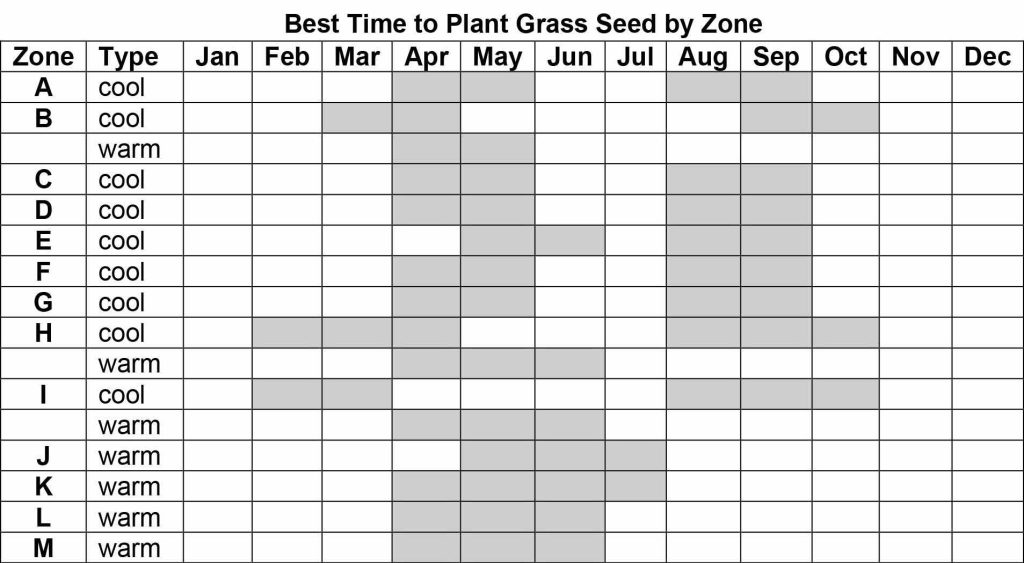
The best time to seed a lawn is during the early fall or spring, when the soil temperature is optimal for seed germination and growth. Seeding a lawn is an excellent way to improve the appearance and health of your outdoor space. However, timing is crucial when it comes to achieving successful results. If you want to achieve a thick, lush lawn, then choosing the right time to sow the seeds is essential. In this blog article, we will delve into the topic of the best time to seed a lawn and provide you with valuable insights and tips to ensure your lawn gets off to a great start. So, if you’re eager to transform your patchy grass into a vibrant carpet of green, keep reading to learn more about the ideal time to sow your lawn seeds!

Best Time to Seed Lawn
When it comes to achieving a lush and healthy lawn, timing is everything. Choosing the best time to seed your lawn can greatly impact the success of your grass growth. In this comprehensive guide, we will explore the crucial factors you need to consider to determine the optimum time to seed your lawn. From understanding the different grass types to assessing the prevailing weather conditions, we will equip you with the knowledge to make an informed decision.
Different Grass Types
The first step in determining the best time to seed your lawn is to identify the type of grass you have or plan to sow. Cool-season grasses, such as Kentucky bluegrass, fescue, and ryegrass, thrive in regions with cold winters and hot summers. On the other hand, warm-season grasses like Bermuda grass, Zoysia grass, and St. Augustine grass are best suited for areas with mild winters and long, hot summers.
- Cool-season grasses: These grasses, as the name suggests, grow actively during cooler months like spring and fall. Therefore, the best time to seed cool-season grasses is in early fall, when the soil is still warm from the summer but the hot temperatures have subsided. This gives the grass ample time to establish its roots before winter.
- Warm-season grasses: These grasses thrive in warmer climates and grow most actively during summer. The ideal time to seed warm-season grasses is in late spring or early summer when the soil has warmed up and there is no risk of frost. Planting during this period ensures that the newly seeded grass has optimal heat and sunlight for growth.
Weather and Temperature
Understanding the prevailing weather conditions in your region is crucial in determining the best time to seed your lawn. Both cool-season and warm-season grasses have specific temperature requirements for germination and growth.
- Cool-season grasses: These grasses prefer daytime temperatures between 60°F and 75°F (15°C to 24°C) for optimal growth. Seeds planted during cooler periods have a higher chance of germination success as they are less likely to be hindered by extreme heat or drought. Additionally, the cooler fall temperatures help retain soil moisture, reducing stress on the newly germinated grass.
- Warm-season grasses: These grasses require soil temperatures consistently above 65°F (18°C) for successful germination. Planting warm-season grasses too early in the season may result in poor germination due to insufficient warmth. Therefore, it is recommended to wait until late spring or early summer when the soil has adequately warmed up.
Soil Preparation and Conditions
To ensure the success of your lawn seeding efforts, it is crucial to have well-prepared soil and favorable soil conditions. Here are a few key factors to consider:
- Soil moisture: Before seeding, the soil should be adequately moist but not waterlogged. Excessive moisture can lead to poor seed-to-soil contact and promote fungal diseases. If the soil is too dry, the seeds may struggle to germinate. It is essential to strike a balance by watering the soil a few days before seeding.
- Soil temperature: Along with air temperature, soil temperature plays a vital role in seed germination. Use a soil thermometer to monitor the temperature and ensure it aligns with the specific grass type’s requirements.
- Soil fertility: Conduct a soil test to assess the nutrient levels and pH of your soil. Most grasses prefer a slightly acidic soil with a pH range of 6.0 to 7.5. If the test reveals any deficiencies or imbalances, you can amend the soil accordingly to create an optimal growing environment.
Considerations for Overseeding
If you already have an established lawn but want to fill in sparse areas or improve its overall density, overseeding is an excellent option. Overseeding involves spreading grass seed over an existing lawn without tearing up the turf.
- Timing for overseeding: The best time to overseed largely depends on the grass type you have. For cool-season grasses, early fall is still the optimal time as the soil temperature remains warm while cool nights inhibit weed competition. Warm-season grasses, however, can be overseeded in late spring to early summer when the existing grass is actively growing.
- Prepare the lawn: Before overseeding, mow the existing grass slightly shorter than usual and remove any debris to expose the soil. This will improve seed-to-soil contact and increase the chances of successful germination.
- Seed selection: Choose a grass seed blend that complements your existing lawn to ensure a seamless appearance once the new grass grows in. Select a high-quality seed that is well-suited to your climate and sun exposure.
In conclusion, determining the best time to seed your lawn depends on various factors such as grass type, weather conditions, and soil preparation. By properly assessing these elements, you can provide an optimal environment for seed germination and ensure the long-term health of your lawn. Remember to follow proper seeding techniques and remain attentive to your lawn’s watering needs as it establishes. With careful planning and timing, you’ll be rewarded with a vibrant and thriving lawn that enhances the beauty of your outdoor space.
What is the Best Time to Plant Grass Seed? – Fall Lawn Tips | DoMyOwn.com
Frequently Asked Questions
What is the best time to seed a lawn?
The best time to seed a lawn is during the early fall or spring season. These times of the year provide optimal conditions for the seeds to germinate and establish a strong root system.
Why is early fall a good time to seed a lawn?
Early fall is a great time to seed a lawn because the soil is still warm from the summer months, and the cooler temperatures promote healthy seed growth. Additionally, the fall season often brings more rainfall, which assists in keeping the seeds moist.
Can I seed my lawn in the spring?
Yes, you can seed your lawn in the spring. However, it is important to note that spring seeding can be less successful compared to fall seeding. The unpredictable weather conditions and competition from weeds make it harder for the seeds to establish. If you decide to seed in the spring, aim for early spring when the soil temperature rises and the risk of frost has passed.
Should I seed my lawn before or after winter?
It is generally recommended to seed your lawn before winter arrives. By seeding in late summer or early fall, the grass will have enough time to grow and establish sturdy roots before the cold winter months. This ensures that your lawn will be better equipped to withstand the harsh conditions and have a head start for spring growth.
What are the key factors to consider when choosing the best time to seed a lawn?
When determining the best time to seed your lawn, consider factors such as the climate in your region, soil temperature, and the specific type of grass you plan to seed. Consulting with a local gardening expert or extension office can provide valuable insights tailored to your specific location and lawn needs.
Can I seed my lawn in the summer?
Seeding a lawn in the summer is generally not recommended. The hot and dry summer conditions make it challenging for the seeds to germinate and establish properly. It is best to avoid summer seeding to ensure the highest chances of success.
Final Thoughts
The best time to seed a lawn is in the early fall or spring when the soil is still warm but the weather is cooler. This allows the seeds to germinate and establish roots before the extreme temperatures of summer or winter. It is important to prepare the soil properly, removing any weeds or debris, and to water the lawn regularly to ensure proper growth. By seeding at the right time and providing the necessary care, you can achieve a healthy and lush lawn. So, the best time to seed your lawn is in the early fall or spring for optimal results.