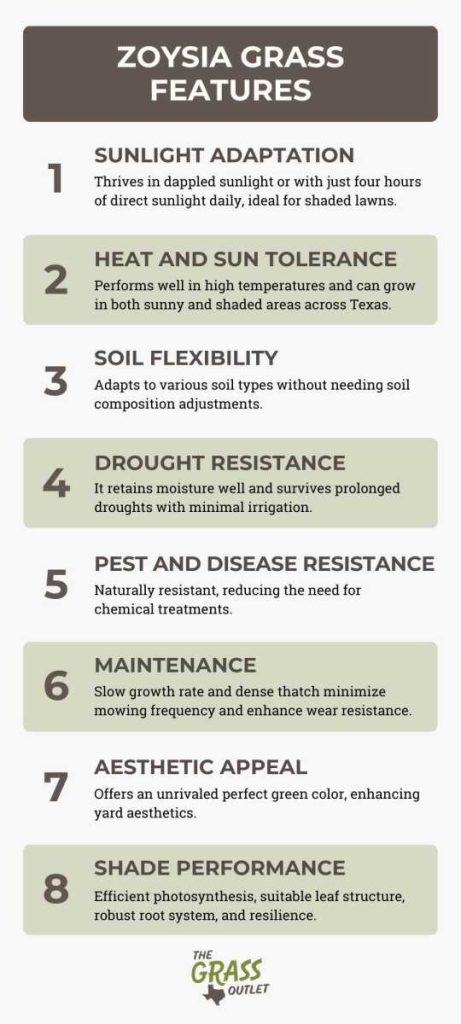
Yes, zoysia grass can grow in shaded areas, but its performance may vary depending on the amount of light. While it tolerates some shade better than many other grasses, full shade can hinder its growth and overall health. To ensure a lush, healthy lawn, understanding how much sunlight zoysia needs is key, and selecting the right variety can make a significant difference.
Zoysia grass can handle partial shade, but it might not thrive in deep, persistent shade. If you’re considering planting zoysia in a shaded yard, it’s essential to evaluate how much sunlight the area receives daily. With proper care and choosing shade-tolerant cultivars, you can enjoy a green, dense lawn even in less sunny spots.
When it comes to growing grass in shaded areas, many homeowners hope for a quick solution to maintain a vibrant lawn. Zoysia grass is known for its resilience and ability to adapt to various conditions, including some shade. It’s a popular choice because it stays green longer and requires less water and mowing than other grasses. While it doesn’t love deep shade, it can still perform reasonably well in areas with dappled sunlight or partial shade, making it a versatile option for those with less-than-ideal sun exposure. Proper lawn care, such as aeration and fertilization, can boost its growth in challenging spots, helping you achieve a lush green yard even in shadier parts.

Will Zoysia Grass Grow in Shade? Everything You Need to Know
Understanding Zoysia Grass
Zoysia grass is a popular warm-season grass known for its dense growth and lush appearance. It is often chosen for lawns because of its drought tolerance and ability to handle foot traffic. However, many wonder if it can thrive in shady areas of their yard.
Light Requirements of Zoysia Grass
Zoysia grass generally needs plenty of sunlight to grow healthily. Most varieties prefer at least 6 hours of direct sunlight daily. Lack of adequate sun can lead to thin, patchy growth, making the grass more vulnerable to weeds and disease.
Will Zoysia Grow Well in Shade?
In most cases, Zoysia grass does not grow well in shaded areas. Shade limits photosynthesis, which is vital for grass health. When Zoysia is grown without enough sunlight, it tends to become thin, pale, and less resilient.
Are There Shade-Tolerant Zoysia Varieties?
Some Zoysia varieties show better shade tolerance than others. Examples include Zoysia japonica and certain cultivars like Zeon and Meyer. These types can sometimes handle partial shade but still require at least 4 to 6 hours of sunlight.
Effects of Shaded Areas on Zoysia Growth
Growing Zoysia in shade can cause several issues. It often results in slower growth rates and weaker root development. The grass may also turn a duller green or brownish color, indicating stress and insufficient sunlight.
Grass Color and Density Changes
In shaded zones, Zoysia tends to lose its vibrant green hue and becomes less dense. This thinning makes it easier for weeds to invade, reducing the overall aesthetic appeal of your lawn.
How to Improve Zoysia Growth in Partially Shaded Areas
Although Zoysia prefers full sun, some tricks can help it grow better in partial shade. These strategies include proper lawn care, soil management, and selective pruning.
Proper Lawn Maintenance
Ensure your lawn is mowed at the right height—about 1 to 2 inches. Keeping grass slightly taller in shaded areas can help retain moisture and support photosynthesis.
Soil Fertility and Drainage
Healthy soil promotes strong grass growth. Use a balanced fertilizer formulated for Zoysia and ensure the soil drains well. Good drainage prevents waterlogging, which can harm the grass roots.
Pruning Overhanging Trees and Shrubs
Removing or trimming trees and shrubs that cast heavy shade over your Zoysia lawn allows more sunlight to reach the grass. This simple step can significantly improve its growth prospects.
Alternative Grass Types for Shaded Lawns
If your yard is heavily shaded, consider switching to grass varieties that tolerate shade better. Examples include Saint Augustine, Fine Fescue, and certain types of Zoysia specifically bred for shade.
Comparing Shade Tolerance of Different Grasses
Below is a quick comparison of some popular grass types and their shade tolerance:
| Grass Type | Shade Tolerance | Sun Requirement |
|---|---|---|
| Saint Augustine | Excellent | 4 Hours or more of sunlight |
| Fine Fescue | High | 2 to 4 Hours of sunlight |
| Zoysia Grass | Moderate to Low | 6 or more hours of sunlight |
Maintaining a Zoysia Lawn in Partial Shade
If you decide to grow Zoysia in an area with some shade, follow these steps for better results. Consistent watering, regular mowing at the right height, and fertilization are crucial.
Watering Tips
Shaded areas tend to retain moisture longer. Water your Zoysia lawn deeply but less frequently to avoid disease issues caused by overly wet conditions.
Fertilization Schedule
Apply a slow-release fertilizer suitable for Zoysia during the growing season. Avoid over-fertilizing, which can promote overly lush growth susceptible to disease.
Pest and Disease Prevention
Shade can encourage fungal diseases. Monitor your lawn regularly and treat any fungal infections promptly using appropriate fungicides.
Other Factors That Affect Zoysia Growth
Besides shade, several other aspects influence the health of Zoysia grass. These include soil type, watering practices, and lawn traffic.
Soil Type and Preparation
Zoysia prefers well-draining soil with a pH between 6.0 and 6.5. Amending your soil with organic matter can improve its structure and fertility.
Lawn Traffic and Wear
While Zoysia is tolerant of foot traffic, heavy use in shady spots can cause compaction and damage. Rotate usage and avoid heavy traffic in shaded zones.
Growing Zoysia grass effectively in shaded areas presents challenges but is not impossible with proper care and management. Selecting shade-tolerant Zoysia cultivars, trimming overhanging branches, and maintaining healthy soil are key steps. For heavily shaded lawns, exploring other grass options may lead to better results. By understanding these factors and applying suitable strategies, you can maintain a lush, healthy lawn even in parts of your yard that do not receive full sun.
Will Zoysia Grass Grow in the Shade in the Houston Area – Pearland Sugar Land Richmond TX
Frequently Asked Questions
Can Zoysia grass survive in shaded areas during the summer months?
While Zoysia grass can tolerate some shade, its growth slows down significantly in heavily shaded spots during hot summer months. If the area receives limited sunlight, the grass may become thin or patchy. Ensuring at least 4-6 hours of direct sunlight daily helps Zoysia maintain its density and overall health. Regular maintenance and choosing the right Zoysia variety can improve its performance in partial shade.
What are the signs that Zoysia grass is struggling in shaded conditions?
When Zoysia grass struggles in shaded areas, it often appears sparse, with thin patches and uneven color. The grass may turn a dull or yellowish hue and may struggle to recover after foot traffic or drought. You might notice slower spreading and increased weed invasion, as these tend to take hold where turfgrass growth slows.
Are there specific Zoysia varieties better suited for shaded lawns?
Yes, some Zoysia varieties, such as Zoysia japonica, tend to perform better in shaded conditions compared to others. These varieties usually have a denser growth habit and better shade tolerance. Selecting a variety known for improved shade adaptability can help maintain a healthy lawn even with limited sunlight.
What lawn care practices can improve Zoysia’s growth in partial shade?
To help Zoysia grow better in shaded areas, keep the grass properly watered and avoid over-fertilizing, which can promote excessive thatch development. Mowing at the recommended height, usually around 1-2 inches, also encourages thicker growth. Removing nearby trees or shrubs that cast significant shade can further improve sunlight exposure and overall turf health.
Are there alternative grasses that perform better than Zoysia in shady spots?
Yes, grasses like St. Augustine or some fescues generally perform better in shaded areas due to their higher shade tolerance. These grasses can maintain a lush appearance with less direct sunlight and are often chosen for lawns with significant tree cover or shaded zones.
Final Thoughts
In summary, zoysia grass prefers full sun but can tolerate some shade. While it may grow in shaded areas, its growth might slow, and the density could decrease. Will zoysia grass grow in shade? Yes, but for optimal results, choose sunnier spots. Understanding these limitations helps manage expectations and maintains a healthy lawn.