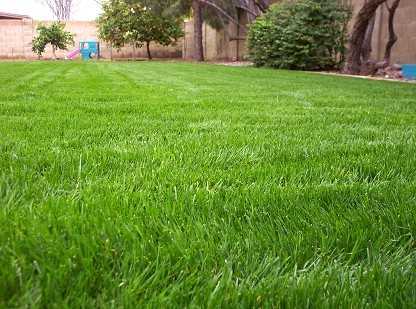
Yes, ryegrass can germinate in cold weather, but its success depends on the specific variety and environmental conditions. Cool temperatures actually help some types of ryegrass to sprout more easily, making it a popular choice for overseeding in fall and winter. However, extremely harsh cold spells may slow down or inhibit germination altogether.
Ryegrass is quite adaptable and resilient, capable of sprouting in cooler temperatures compared to many other grasses. If you’re planning to plant ryegrass during colder months, choosing a hardy variety and ensuring proper soil conditions can give you the best results. With the right timing and care, ryegrass can quickly establish a lush, green cover even when the weather turns chilly.

Will Ryegrass Germinate in Cold Weather?
Understanding Ryegrass and Its Growing Conditions
Ryegrass is a popular turfgrass known for its quick germination and lush green appearance. It is widely used on sports fields, lawns, and golf courses because of its fast establishment. The key to successful ryegrass growth lies in understanding its temperature preferences and how it responds to different weather conditions.
Ryegrass generally prefers mild temperatures for seed germination and growth. It thrives when daytime temperatures are between 60 to 75 degrees Fahrenheit. However, it can sometimes germinate outside of this range, depending on the type of ryegrass and environmental factors.
There are two main types of ryegrass: perennial ryegrass and annual ryegrass. Perennial ryegrass is more tolerant of cold weather and can stay green longer into the winter. Annual ryegrass grows quickly in cool weather but typically dies off in the heat of summer.
The Germination Process of Ryegrass
Germination is the first step of ryegrass growing successfully. Once the seed is planted, it absorbs water and begins to sprout. This process is influenced heavily by soil temperature, moisture, and seed quality.
Seed germination time varies based on temperature. Generally, ryegrass seed takes about 5 to 14 days to sprout. Cooler soil temperatures tend to slow this process down. For optimal germination, soil should be moist and warm enough, ideally above 50 degrees Fahrenheit.
In cold weather, germination may still occur but at a slower rate. Sometimes, it can take up to 3 weeks if temperatures are persistently low. That’s why understanding the specific temperature range for ryegrass is essential for proper planning.
Will Ryegrass Germinate in Cold Weather?
The simple answer is, **yes, ryegrass can germinate in cold weather**, but with some important caveats. Its ability to sprout depends on the severity of cold temperatures and soil conditions.
Perennial ryegrass is more capable of germinating in cooler temperatures, even close to 40 degrees Fahrenheit. It can sometimes begin to sprout in early fall or late winter if soil moisture and temperature thresholds are met.
Annual ryegrass, however, requires slightly warmer conditions. It typically germinates best when soil temperatures are between 50 to 60 degrees Fahrenheit. In very cold weather, germination might be delayed or incomplete.
**So,** if soil temperatures are consistently above 50 degrees Fahrenheit, ryegrass seed has a good chance of germinating. In colder conditions, germination could be limited or require additional soil warming techniques.
Factors Affecting Ryegrass Germination in Cold Weather
Several environmental factors influence whether ryegrass will germinate successfully in cold weather. Understanding these can help gardeners and landscapers plan better.
Soil Temperature
This is the most critical factor. Ryegrass prefers soil temperatures around 55 to 65 degrees Fahrenheit for optimal germination. Below this range, germination slows significantly.
Soil Moisture
Moist soil helps seed absorption and sprouting. Cold weather often means more moisture, which can help germination if drainage is good. However, overly saturated soil might lead to seed rot or fungal diseases.
Seed Quality and Preparation
High-quality, fresh seeds have a better chance of germinating early in cooler weather. Proper soil preparation, such as tilling and removing weeds, improves seed-soil contact and enhances germination prospects.
Seed Depth
Plant ryegrass seeds shallow, about 0.25 to 0.5 inches deep. Seeds planted too deep in cold soil might struggle to sprout due to limited warmth.
Timing of Planting
Planting just before soil temperatures drop too low can be ineffective. The ideal time for sowing is when soil temperatures are rising in early fall or early spring.
Tips for Successful Ryegrass Germination in Cold Weather
Even in cold weather, you can improve your chances of successful germination with these tips.
- Use soil heaters or warm blankets: These can raise soil temperature temporarily around seed zones.
- Choose cold-tolerant ryegrass varieties: Perennial ryegrass is better suited for colder conditions.
- Ensure proper watering: Keep the soil moist but not waterlogged.
- Delay planting until soil warms up: Wait until soil temperatures reach at least 50 degrees Fahrenheit for better outcomes.
- Pre-soil warm-up: Consider warming the soil with black plastic covers to increase temperature.
When to Expect Ryegrass Germination in Cold Weather
Timing varies with weather conditions. In early fall, if soil temperatures are suitable, germination can happen within a week or two.
In late fall or winter, germination is less likely in regions with harsh cold. Usually, ryegrass seeds will remain dormant until soil warming occurs in spring.
If conditions are consistently cold, germination may be slow or incomplete. Patience is essential, and monitoring soil temperature regularly helps in planning follow-up actions.
Impact of Cold Weather on Ryegrass Growth and Establishment
Even if ryegrass germinates in cold weather, growth might be slower. Cold temperatures delay seedling development and root establishment.
Perennial ryegrass can sustain itself better during winter, maintaining green color longer than annual ryegrass. However, prolonged freezing temperatures can damage young seedlings.
Protecting newly germinated ryegrass in cold climates with mulch or protective covers can promote healthier growth. Proper fertilization and watering further aid in developing a resilient plant.
Related Topics
Best Soil Types for Ryegrass Growth
Ryegrass prefers well-drained loamy soils with a pH between 5.5 and 7.5. Avoid overly sandy or clay-heavy soils that drain poorly or retain too much moisture.
Seeding Rates and Methods
A recommended seeding rate is about 15 to 20 pounds per 1,000 square feet. Use appropriate seed spreaders and ensure even coverage for best results.
Cold Weather Lawn Care Tips
Maintain proper mowing height, aerate soil if compacted, and apply winter fertilizer to promote root growth and prevent winter kill.
Alternative Grass Options for Cold Climates
Other grasses like tall fescue or Kentucky bluegrass may perform better in extremely cold regions, offering more winter hardiness.
Summary
In summary, ryegrass can germinate in cold weather, especially if soil temperatures are above 50 degrees Fahrenheit. Perennial ryegrass is better suited for cooler conditions than annual varieties. Proper timing, soil preparation, and environmental management are essential for successful germination and growth.
By understanding the soil temperature, moisture, and seed quality, you can improve the chances of ryegrass sprouting even in less-than-ideal weather. Keep these factors in mind, and you’ll be on your way to establishing a healthy, green lawn, regardless of the season.
This comprehensive knowledge helps gardeners and landscapers plan their seeding schedule better and optimize conditions for ryegrass to thrive, even during colder months.
Perennial Ryegrass Pros and Cons
Frequently Asked Questions
Does ryegrass require specific soil conditions to germinate during cold weather?
Ryegrass can germinate in a variety of soil conditions, but it prefers well-drained soils with adequate moisture. During cold weather, soil temperatures play a significant role; temperatures around 50°F (10°C) or higher promote germination. If the soil is too cold or compacted, germination may slow down or fail altogether. Ensuring the soil has good fertility and proper drainage helps ryegrass establish successfully even in cooler conditions.
Can ryegrass seeds be sown late in the season, and will they still grow in cold temperatures?
Yes, you can sow ryegrass seeds late in the season, and they may still grow if the temperatures are not too low. Ryegrass has the ability to germinate in cooler temperatures compared to some grasses. However, very cold conditions beyond 32°F (0°C) can hinder germination and seedling development. Planting when the soil is slightly warmed or before the coldest part of winter increases the chances of successful growth.
How does cold weather affect the germination rate of ryegrass?
Cold weather slows down the germination process of ryegrass by reducing seed metabolic activity. While ryegrass can still germinate in cooler conditions, the process takes longer. Extremely low temperatures may prevent seeds from sprouting altogether, leading to poor establishment. Warmer periods within the cold season, with soil temperatures above 50°F (10°C), improve germination chances and promote healthier growth.
Are there ryegrass varieties that perform better in colder climates?
Yes, some ryegrass varieties are better suited for colder climates. Perennial ryegrass and certain cultivars specifically developed for winter resilience can withstand lower temperatures and still germinate effectively. Selecting these varieties for planting in colder regions increases the likelihood of successful germination and healthy growth during the winter months.
What steps can I take to improve ryegrass germination in cold weather?
You can improve germination by preparing the soil properly, ensuring it is moist and well-drained before planting. Sowing the seeds during a period of milder weather or when soil temperatures are higher increases success rates. Covering the seeds lightly with soil or mulch helps retain warmth and moisture. Additionally, choosing cold-tolerant ryegrass varieties enhances their ability to establish in low temperatures.
Final Thoughts
Ryegrass can germinate in cold weather, but several factors influence its success. Soil temperature and moisture levels are crucial for seed sprouting.
While cold conditions may slow germination, planting at the right time boosts success. Understanding these factors helps ensure healthy growth during cooler months.
Will ryegrass germinate in cold weather? Yes, it can, especially if conditions are favorable. Proper planting techniques and timing are key to achieving optimal germination in colder temperatures.