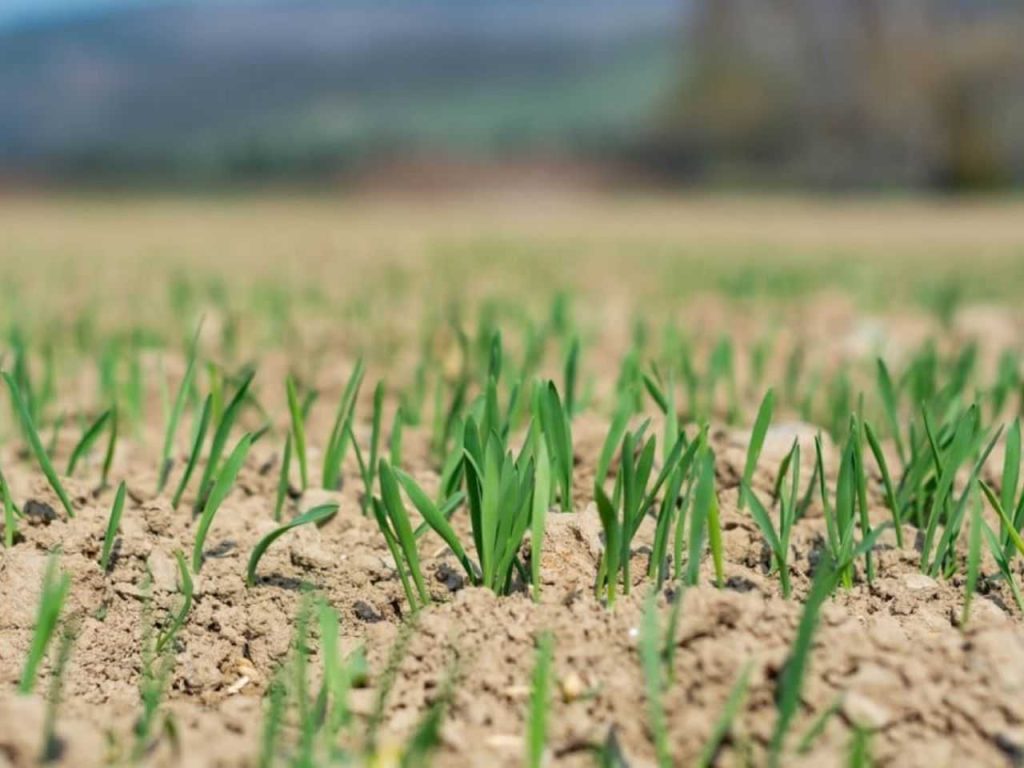
Yes, ryegrass can grow in sandy soils, but it requires some preparation and care. With proper watering, fertilization, and soil amendment, ryegrass can thrive even in less nutrient-rich sandy environments. Understanding the specific needs of ryegrass and how to optimize sandy soil conditions is key to successful growth.
Ryegrass can indeed grow in sandy soils, but its success depends on soil management practices. Sandy soils drain quickly and often lack essential nutrients, so amendments like organic matter or fertilizers are crucial. Proper irrigation and soil conditioning can create a suitable environment for ryegrass to flourish.
Starting with a sunny spot, it’s natural to wonder if ryegrass will thrive in sandy terrain. Ryegrass is a versatile and fast-growing grass that adapts surprisingly well to various soil types, including sand. If you’re planning to grow ryegrass on sandy land, focusing on improving soil fertility and ensuring consistent moisture will make a big difference. This grass can provide lush green coverage and withstand different conditions when properly managed. So, yes, with some effort, ryegrass can certainly grow in sandy environments, offering a durable and attractive lawn or pasture option.

Will Ryegrass Grow in Sand?
Understanding Ryegrass and Its Growing Needs
Ryegrass is a popular grass type for lawns and sports fields because of its lush green appearance and quick growth. It is known for its ability to tolerate a range of conditions, but it has specific soil needs to thrive. Generally, ryegrass prefers well-drained, fertile soil rich in organic matter.
The key to growing ryegrass successfully depends on providing the right environment for its roots to spread and establish. Soil type, moisture levels, and sunlight all play significant roles. Before planting, it helps to understand whether sandy soil can support ryegrass growth.
Soil Composition and Ryegrass Growth
Soil composition affects how well ryegrass can establish and flourish. It primarily requires soil that can retain moisture while draining excess water effectively.
Sand soil is characterized by very large particles, which create large gaps between soil particles. This structure causes poor water retention but excellent drainage. While this is beneficial for some plants, ryegrass may struggle in sandy soil unless remedial measures are taken.
Will Ryegrass Grow in Sand?
In general, ryegrass can grow in sandy soil, but there are important considerations. Sand alone offers poor fertility and low water retention, which are critical factors for ryegrass health.
To successfully grow ryegrass in sand, gardeners need to improve the soil’s capacity to hold nutrients and water. This can be achieved through soil amendments and proper turf management practices.
Despite these challenges, with proper care, ryegrass can establish and thrive in sandy areas, making it a versatile choice for diverse landscapes.
Challenges of Growing Ryegrass in Sandy Soil
Growing ryegrass in sandy soil presents specific challenges that must be addressed for successful growth.
- Low Nutrient Content: Sandy soil naturally contains fewer nutrients, necessary for healthy ryegrass growth.
- Poor Water Retention: Sand drains quickly, leading to potential drought stress for the grass.
- Soil Erosion: The loose nature of sand can lead to erosion, especially on slopes.
These issues mean that additional effort is needed to support ryegrass in sandy environments.
How to Improve Sandy Soil for Ryegrass
To enhance sandy soil for the growth of ryegrass, soil improvement techniques are essential.
Adding Organic Matter
Incorporate organic materials such as compost, peat moss, or well-rotted manure into the soil. These additions improve water retention and nutrient availability.
Using Soil Amendments
Apply soil conditioners like peat or organic compost regularly to increase the soil’s ability to hold moisture and nutrients.
Proper Fertilization
Use a balanced fertilizer with nitrogen, phosphorus, and potassium to promote healthy root growth and vibrant foliage.
Mulching
Apply a layer of mulch around the grass to help retain moisture, prevent erosion, and gradually add organic matter to the soil over time.
Best Practices for Growing Ryegrass in Sandy Soil
Combining soil amendments with proper turf management techniques can significantly improve your chances of establishing lush ryegrass in sandy soil.
- Water Wisely: Water deeply and infrequently to encourage deep root growth. Avoid overwatering, which can cause erosion.
- Choose the Right Ryegrass Variety: Use drought-tolerant or fine-leaved ryegrass varieties suited for sandy soils.
- Maintain Soil pH: Keep the soil pH between 5.5 and 7.0 to optimize nutrient uptake.
- Regular Overseeding: Help maintain density and prevent bare patches by overseeding annually.
Choosing the Right Ryegrass for Sandy Soil
Different types of ryegrass have varying tolerances to soil conditions. It’s important to select varieties suited for sandy environments.
Perennial Ryegrass
A popular choice, perennial ryegrass offers rapid establishment and durability. It prefers well-drained soils but responds well to soil improvements.
Italian Ryegrass
Known for quick germination and high resilience, Italian ryegrass adapts reasonably well to sandy soils when soil amendments are applied.
Hybrid Ryegrass
Hybrid varieties combining features from different ryegrasses can offer drought tolerance and better nutrient use, making them suited for sandy conditions.
Additional Tips for Success
Proper preparation is the foundation for successful ryegrass growth in sandy soil.
- Test Soil: Conduct a soil test to determine pH, nutrient levels, and organic matter content.
- Prepare the Site: Remove rocks and debris before soil amendments to create a smooth planting surface.
- Ensure Adequate Irrigation: Use efficient watering systems like drip irrigation to maintain consistent moisture levels.
- Monitor Soil Health: Regularly check soil moisture and nutrient status to adjust care practices accordingly.
Related Topics to Consider
Growing ryegrass in sandy soil is part of a broader lawn and turf management strategy. Consider these related topics:
Soil Testing and Amendments
Regular testing helps maintain soil health and ensures optimal conditions for ryegrass.
Lawn Maintenance in Sandy Soil
Proper mowing, fertilizing, and aerating practices support healthy turf development.
Alternative Turf Options
Other grasses like Bermuda or zoysia may be more naturally suited for sandy soils, depending on your climate and preferences.
Preventing Soil Erosion
Planting ground covers or installing barriers can reduce erosion risks in sandy areas.
Final Thoughts on Growing Ryegrass in Sand
Growing ryegrass in sandy soil is achievable but requires extra attention. Improving soil fertility and water retention through amendments is key.
With patience, consistent care, and the right ryegrass variety, you can create a lush, green lawn even in challenging sandy conditions. Proper planning and ongoing maintenance will help your turf thrive over time, turning sandy patches into vibrant grassy fields.
Annual Ryegrass SEEDING // Growing Ryegrass in SAND
Frequently Asked Questions
Can ryegrass establish itself in sandy soils?
Yes, ryegrass can grow in sandy soils, but it may require additional care. Sandy soils drain quickly and often lack nutrients, so it’s important to improve soil quality by adding organic matter or fertilizer. Adequate watering and proper soil preparation can help ryegrass establish strong roots in sandy conditions.
What soil conditions are ideal for ryegrass growth?
Ryegrass thrives best in well-draining soils that are rich in organic matter. For sandy soils, adding compost or other organic amendments can improve moisture retention and nutrient levels. Maintaining a slightly acidic to neutral pH between 6.0 and 7.0 supports healthy growth.
How can I improve my sandy soil to support ryegrass growth?
To enhance sandy soil for ryegrass, mix in organic matter such as compost, peat moss, or aged manure. These additions increase the soil’s ability to retain moisture and nutrients. Regular fertilization and proper watering help create an environment conducive to healthy ryegrass development.
Are there specific ryegrass varieties better suited for sandy soils?
Some ryegrass varieties adapt more easily to sandy soils. Perennial ryegrass and some cultivars of annual ryegrass tend to perform well in loose, well-drained soils. Consulting with local turf specialists or seed suppliers can help identify the best varieties for sandy conditions.
What watering practices are necessary for ryegrass in sandy environments?
Because sandy soils drain quickly, maintaining consistent moisture levels is crucial. Water deeply and regularly to keep the soil moist but not waterlogged. Using mulch or organic coverings can help retain soil moisture and reduce evaporation, supporting healthy ryegrass growth.
Final Thoughts
Ryegrass can grow in sandy soil under the right conditions. It prefers well-drained, fertile soil, but with proper care, it adapts well to sand. Regular watering and fertilization enhance its growth potential.
While sand poses challenges, ryegrass’s resilience makes it possible to establish a healthy lawn. Adequate soil amendment improves nutrient retention and water retention, supporting its development.
Will ryegrass grow in sand? Yes, with suitable soil preparation and maintenance, ryegrass can thrive in sandy environments. Proper care ensures lush growth even in less ideal soil conditions.