
Every fall, the same problem shows up: mountains of leaves and no good plan for getting them to the curb. If you've been staring at a yard full of oak and maple leaves wondering which bags to grab, Home Depot paper leaf bags are probably already on your radar. They're the go-to for a lot of homeowners, and for good reason.
But not all paper leaf bags are created right. The best choice depends on your yard size, your local pickup rules, and how wet your leaves tend to get. In our research, we found that most people either buy bags that are too small, pick the wrong ply rating, or end up with bags that fall apart before collection day.
Let's break down exactly what to look for so you don't waste money or time this season.

Image source: Pixabay / chaiyananuwatmongkolchai (Pixabay Content License)
Quick Answer: Which Home Depot Paper Leaf Bag Should You Grab?
Home Depot paper leaf bags are kraft paper yard waste bags designed for leaf and debris collection. They typically come in 30- to 59-gallon capacities and are sold in multi-packs. Most municipalities that require paper bags accept the standard 30- or 39-gallon kraft options.
Check your local program rules before buying. The 39-gallon 2-ply bags are the most versatile choice for average-sized yards.
How Paper Leaf Bags Actually Work (And Why Most People Use Them Wrong)
Paper leaf bags are made from kraft paper, a strong wood pulp material that's both biodegradable and compostable. They're designed to hold dry to moderately wet yard debris, primarily leaves, grass clippings, and small twigs. The bags stand upright when filled, allowing curbside collection crews to grab and load them easily.
Here's where most people go wrong. They treat paper leaf bags like plastic trash bags. They overfill them, leave them in the rain for days, or toss in heavy branches that punch through the bottom.
Paper bags have real limits. A standard 2-ply kraft bag handles dry leaves beautifully. But once you add wet debris or overstuff it, you're asking for torn seams and a mess on your driveway.
The other common mistake is ignoring local requirements. As of 2026, many municipalities across the Northeast and Midwest still mandate paper bags for yard waste pickup. Some specify bag dimensions, weight limits, or even approved brands.
Buying the wrong bag means your leaves stay at the curb. Always check your city or county waste management website before heading to the store.
Key Features That Separate a Good Paper Leaf Bag from a Flimsy One
Not every paper leaf bag on the shelf is worth your money. Here's what actually matters when you're comparing options at Home Depot.
Bag capacity is the first thing to check. Paper leaf bags typically range from 30 to 59 gallons. A 30-gallon bag works if you have a small yard or just a few trees.
For medium to large yards, 39- or 49-gallon bags save you time because you're making fewer trips to the curb.
Ply rating tells you how many layers of paper make up the bag. Most Home Depot paper leaf bags are 2-ply, which handles dry leaves and light debris fine. If you're dealing with wet leaves or heavier material, look for 3-ply options.
They cost a bit more but hold up significantly better when things get damp.
Wet-strength treatment is a coating or chemical treatment that helps the bag resist moisture. This is critical if you're bagging leaves after a rainstorm or if your bags will sit outside for a few days before pickup. Untreated kraft paper starts to soften and lose structural integrity within hours of getting wet.
Self-standing design matters more than people think. Bags with a flat bottom or gusseted sides stand up on their own while you fill them. Without that feature, you're juggling a floppy bag and a rake at the same time.
It's a small detail that makes the whole job easier.
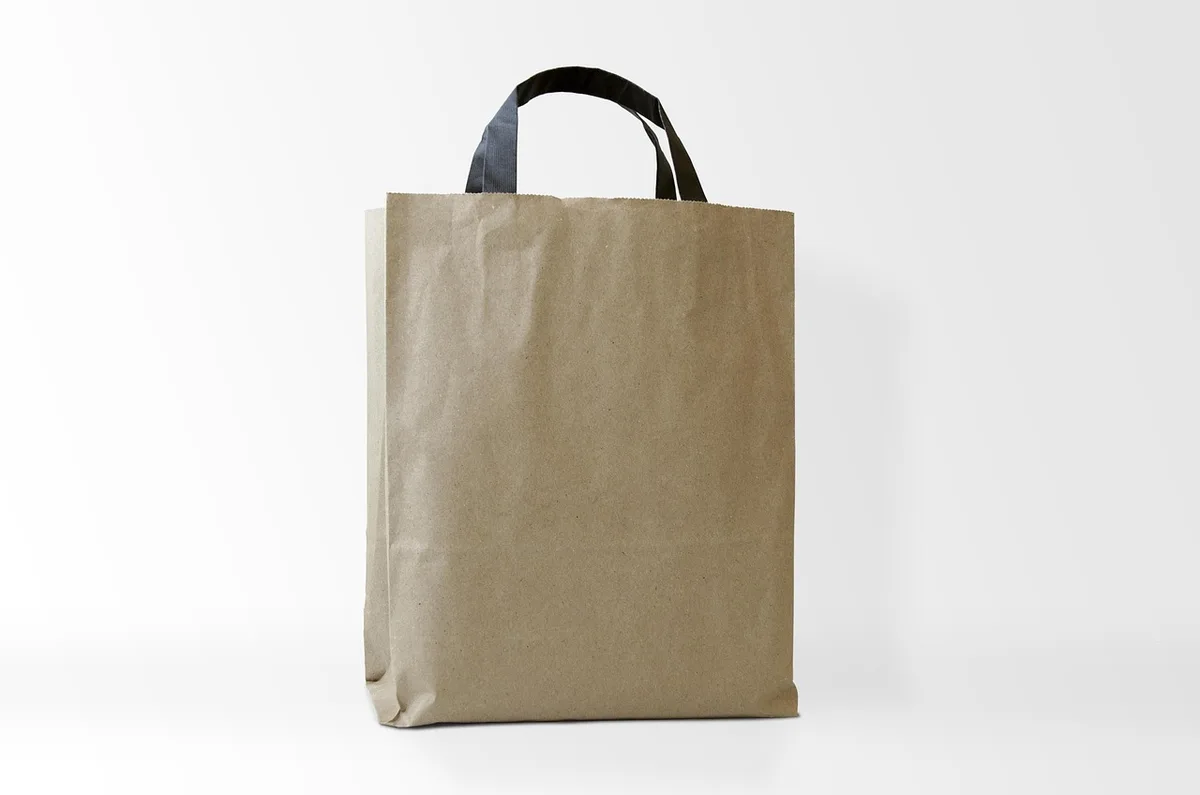
Image source: Pixabay / BRRT (Pixabay Content License)
Here's a quick comparison of the most common specs you'll find:
| Feature | Budget Option | Mid-Range | Heavy-Duty |
|---|---|---|---|
| Capacity | 30 gallon | 39 gallon | 49–59 gallon |
| Ply | 2-ply | 2-ply | 3-ply |
| Wet-strength | No | Sometimes | Yes |
| Self-standing | No | Yes | Yes |
| Price per bag | $0.80–$1.20 | $1.00–$1.50 | $1.50–$2.50 |
Paper vs. Plastic vs. Compostable Bags: Which Wins for Leaf Cleanup?
This is the comparison that trips people up. All three options exist for a reason, but only one might be right for your situation.
Paper leaf bags are the most widely accepted option for municipal curbside programs. They're compostable, they break down naturally, and they don't contaminate the compost stream with microplastics. The downside is they don't handle moisture well unless they're wet-strength treated, and they're heavier to carry when filled.
Plastic yard waste bags are cheap and waterproof. They hold up in rain and can handle heavier debris. But many municipalities have banned them from yard waste collection because they don't break down in composting facilities.
If your area still accepts plastic, they're functional. If not, they're useless for curbside pickup.
Compostable plastic bags (like BioBag branded products) are made from plant-based materials and meet ASTM D6400 standards for compostability. They handle moisture better than paper and are accepted by most municipal programs that require compostable bags. The catch is they're usually more expensive per bag, and not every composting facility actually processes them correctly.
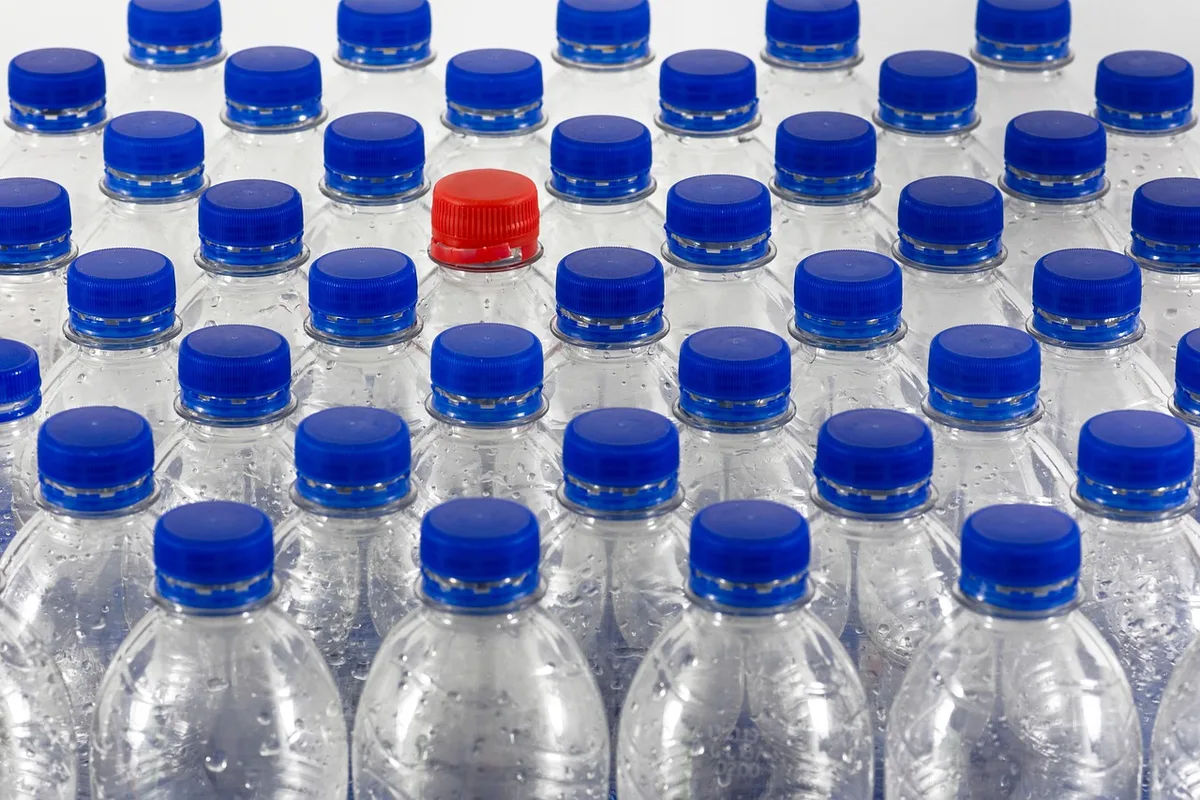
Image source: Pixabay / fotoblend (Pixabay Content License)
Here's the bottom line. If your municipality requires paper bags, that's your answer. Don't overthink it.
If you have a choice, paper is the most universally accepted and environmentally sound option for dry leaf collection. Compostable plastic bags are a solid backup if you're dealing with consistently wet conditions. Skip regular plastic unless your local program explicitly allows it.
Best Home Depot Paper Leaf Bags for Every Yard Size and Situation
Your yard and your cleanup style should drive the decision. Here's how to match the right bag to your actual situation.
Small yards (under 10 trees or mostly evergreen): A 30-gallon 2-ply bag in a 5-pack is plenty. You won't generate enough leaves to justify larger bags, and the smaller size is easier to carry when full. Expect to spend around $5 to $8 for a pack.
Medium yards (10, 25 deciduous trees): Go with 39-gallon 2-ply bags in a 10-pack. This is the sweet spot for most suburban homes. The bags are large enough to be efficient but not so big that they're impossible to move when loaded with wet leaves.
Budget around $10 to $15 per pack.
Large yards (25+ trees or acreage): You want 49- or 59-gallon 3-ply bags with wet-strength treatment. Yes, they cost more. But you'll fill fewer bags, spend less time at the curb, and the bags won't disintegrate if it rains before pickup.
A 10-pack in this range runs $15 to $25.
Wet climates or frequent rain: Prioritize wet-strength treated bags regardless of size. Untreated kraft paper in a rainy Pacific Northwest fall is a recipe for frustration. The extra dollar per bag is worth it.
Municipal leaf vacuum programs: Some towns send vacuum trucks and require specific bag sizes or types. Check your local program details. Some require bags to be a certain height so the vacuum hose can reach in.
Others want bags that fold flat for easy storage between seasons.
How to Fill, Store, and Set Out Paper Leaf Bags Without the Usual Headaches
Filling paper leaf bags sounds simple until you're on your third bag and it keeps collapsing inward. A few technique changes make the whole process faster and less frustrating.
Use a bag stand or holder. This is the single biggest upgrade you can make. A metal or plastic leaf bag stand holds the bag open and upright while you rake leaves into it. Without one, you're fighting a floppy paper bag with every scoop.
Most stands cost under $15 and fold flat for storage.
Don't overfill. Leave 4 to 6 inches of space at the top. This gives you room to fold the bag closed and prevents the seams from splitting under weight. A fully loaded 39-gallon bag of dry leaves weighs around 25 to 35 pounds.
Wet leaves can push that past 50 pounds, which is both a lifting hazard and a tear risk.
Fold the top closed, don't leave it open. An open-topped bag collects rain, gets blown around by wind, and spills during transport. Fold the top over once or twice and tuck it under the bag's own weight. Some people use a small piece of tape, but folding alone is usually enough.
Store unused bags in a dry place. Paper bags stored in a damp garage or shed will soften and lose strength before you even use them. Keep them in a closet, on a shelf, or in a sealed plastic bin until you need them. This is especially important if you buy in bulk early in the season.
Set bags at the curb the night before pickup, not days in advance. Most municipal programs specify that bags should be placed no more than 24 hours before collection. Bags left out for days absorb rain, get run over by cars, or attract animals. Check your local pickup schedule and time it right.
Mistakes That Ruin Paper Leaf Bags Before Pickup Day
Even with decent bags, a few common errors can turn your leaf cleanup into a second cleanup.
Bagging wet leaves in untreated paper. This is the number one failure point. Untreated kraft paper loses up to 80% of its strength when saturated. If rain is in the forecast, either wait for dry conditions or use wet-strength treated bags.
Some homeowners keep a pack of heavy-duty 3-ply bags on hand specifically for wet weeks.
Throwing in branches, rocks, or garden debris. Paper leaf bags are designed for leaves, grass, and small twigs. Thick branches puncture the bottom. Rocks add unnecessary weight.
Soil and garden waste are often prohibited by municipal programs anyway. Keep the contents to what the bag was actually made for.
Ignoring weight limits. Many waste haulers set a per-bag weight limit, commonly around 40 to 50 pounds. Overfilled bags get left at the curb or, worse, tear open when a collection worker tries to lift them. If your bag feels like it's straining at the seams, it's too full.
Leaving bags in direct sun for extended periods. Dry, brittle paper is more prone to cracking along fold lines. If your bags have been sitting in a hot garage or on a sunny driveway for weeks, handle them gently. The paper degrades faster than most people expect.
Not checking bag condition before filling. A bag with a small tear or a softened bottom will only get worse once you start loading it. Inspect each bag quickly before setting it up. Thirty seconds of checking saves you from a bag that dumps half its contents on your driveway.
What Paper Leaf Bags Actually Cost at Home Depot (And What You Get for the Money)
Pricing at Home Depot varies by brand, size, and pack count, but the ranges are fairly consistent as of 2026.
Store-brand 30-gallon 2-ply bags typically run $5 to $8 for a 5-pack. That's about $1 to $1.60 per bag. These are the budget option and work fine for small yards with dry leaves.
Store-brand 39-gallon 2-ply bags come in 10-packs for around $10 to $15. That puts you at roughly $1 to $1.50 per bag. This is the most popular size and the best value for average homeowners.
Heavy-duty 3-ply bags in 39- or 49-gallon sizes run $15 to $25 for a 10-pack. You're paying $1.50 to $2.50 per bag, but the added durability is worth it if you're dealing with wet conditions or a large volume of leaves.
Name-brand compostable bags (like BioBag) are sometimes stocked alongside paper options and tend to cost 20 to 40% more per unit. They're a good alternative if your municipality accepts compostable plastic but not paper.
Here's a quick cost breakdown:
| Bag Type | Size | Pack Size | Price Range | Cost Per Bag |
|---|---|---|---|---|
| Store-brand 2-ply | 30 gal | 5-pack | $5–$8 | $1.00–$1.60 |
| Store-brand 2-ply | 39 gal | 10-pack | $10–$15 | $1.00–$1.50 |
| Heavy-duty 3-ply | 39–49 gal | 10-pack | $15–$25 | $1.50–$2.50 |
| Compostable plastic | 33–39 gal | 10-pack | $12–$20 | $1.20–$2.00 |
Buying in bulk during early fall sales can save 10 to 20%. Home Depot often runs seasonal promotions in September and October, so timing your purchase right stretches your budget further.
Pro Tips for Making Paper Leaf Bags Last Through a Full Season
A little strategy goes a long way when you're managing leaf cleanup over several weeks.
Buy more bags than you think you need. Running out mid-cleanup means a second trip to the store and lost momentum. For a medium yard, 20 to 30 bags is a reasonable estimate. For large properties, 50 or more isn't unusual.
Rake leaves when they're dry. Dry leaves are lighter, easier to bag, and far less likely to cause moisture damage to the paper. Early morning after the dew burns off or mid-afternoon on a sunny day are ideal times.
Shred or mulch what you can. Running a mower over leaf piles before bagging reduces volume by up to 70%. Fewer bags, less weight, less cost. If your mower has a mulching blade, even better.
Double-bag for wet conditions. If you absolutely must bag wet leaves and only have standard 2-ply bags, nesting two bags together adds a surprising amount of strength. It's not elegant, but it works in a pinch.
Keep a tarp handy. If rain hits before pickup, draping a tarp over your curbside bags keeps them dry and intact. A basic 8×10 tarp costs a few dollars and can save an entire season's worth of bags from water damage.
Label your bags if required. Some municipalities ask residents to write their address on yard waste bags. A permanent marker takes two seconds and prevents any confusion with a neighbor's bags.
What Your Municipality Requires (And How to Avoid Getting Your Bags Left at the Curb
This is where good intentions go wrong. You bought the right bags, filled them properly, and set them out on time. But the truck drives right past.
Why?
Bag type restrictions. Many towns, especially in the Northeast, require paper bags specifically. Plastic bags, even if they look similar, get left behind. Some areas accept compostable plastic but not regular plastic.
The rules vary block by block in some metro areas.
Bag size limits. Some programs cap bag capacity at 30 or 35 gallons regardless of what you buy. Others require bags to be no taller than a specific height so collection crews can handle them safely. Oversized bags may be rejected.
Weight limits. A common limit is 40 to 50 pounds per bag. Haulers aren't required to lift bags that exceed the limit, and many won't. If your bags are consistently getting left behind, they might be too heavy.
Placement rules. Bags usually need to be within a certain distance of the curb, not blocked by cars or mailboxes, and placed a specific number of feet apart. Some programs require bags to be in a clear plastic sleeve for inspection, even if the bag itself is paper.
Timing restrictions. Setting bags out too early is one of the most common reasons for non-collection. Most programs specify bags should be at the curb no more than 24 hours before the scheduled pickup day. Bags left out for days get soggy, torn, or flagged as non-compliant.
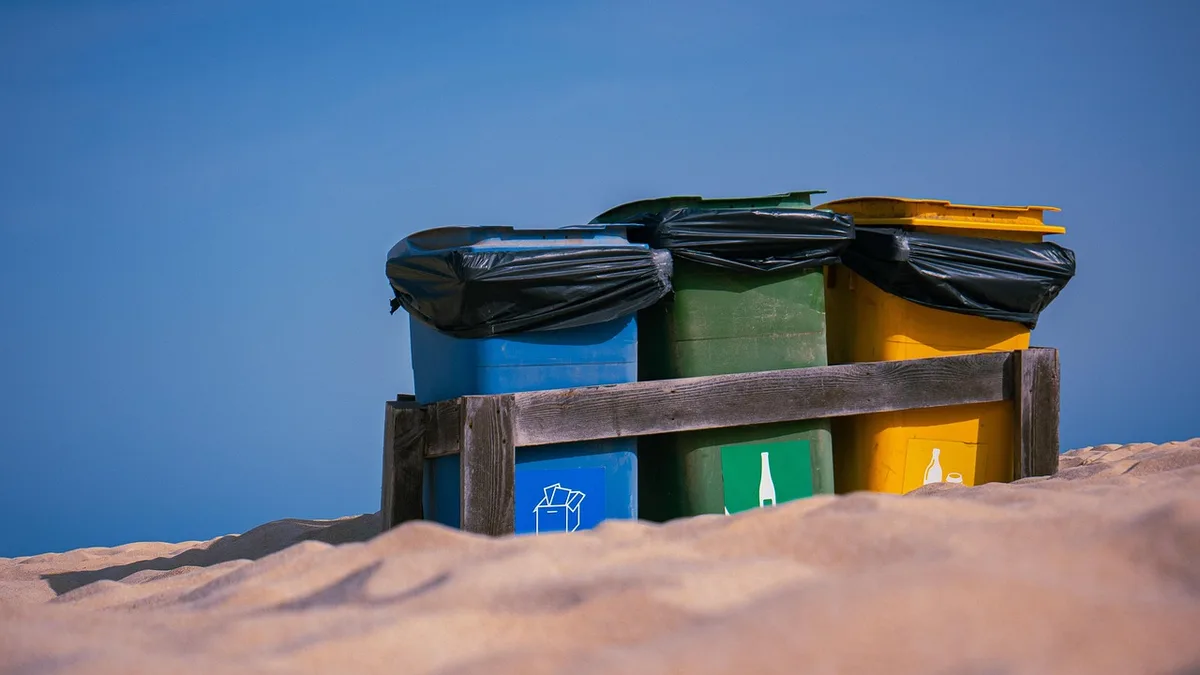
Image source: Pixabay / Colemay (Pixabay Content License)
The fix is simple. Visit your city or county waste management website before you start bagging. Look for the yard waste or leaf collection section.
It will list approved bag types, size and weight limits, placement rules, and the pickup schedule. Five minutes of research saves you from a curb full of rejected bags.
Real Scenarios: Matching the Right Bag to Your Actual Situation
The small suburban lot with two maples. You're dealing with maybe 15 to 20 bags worth of leaves across the season. A 5-pack of 30-gallon 2-ply bags handles this easily. Total cost is under $10, and the smaller bags are light enough to carry without straining your back.
The half-acre property with mature oaks. You'll fill 40 to 60 bags if you're doing a full cleanup. Go with 39-gallon 2-ply in 10-packs and buy early. Mulching with a mower first cuts your bag count nearly in half.
If your area gets frequent fall rain, upgrade to 3-ply for at least half your supply.
The wet Pacific Northwest yard. Standard kraft paper won't survive your conditions. Buy wet-strength treated 3-ply bags or compostable plastic bags that meet your local program's requirements. Double-bagging with standard paper is a temporary fix, but it doubles your cost and your trips to the curb.
Frequently Asked Questions
Can I use paper leaf bags for grass clippings?
Yes, but grass clippings are heavy and retain moisture. Use 3-ply bags and don't pack them too tightly. Some municipalities have separate rules for grass versus leaves, so check locally.
How long can paper leaf bags sit outside before they break down?
Untreated bags start losing strength within 24 to 48 hours of rain exposure. Wet-strength treated bags hold up for several days. Either way, don't leave them out longer than your pickup schedule requires.
Are paper leaf bags recyclable after use?
If the bags are clean and free of food waste or chemicals, many recycling programs accept them. However, most people send filled bags to municipal composting, which is the intended end-of-life path.
Do I need a bag stand to use paper leaf bags?
You don't need one, but it makes the job significantly easier. Without a stand, you'll spend extra time propping the bag open while filling. A basic stand pays for itself in time saved.
What's the biggest paper leaf bag Home Depot sells?
As of 2026, the largest standard paper leaf bags at Home Depot are 59-gallon 3-ply options. These are designed for large properties and heavy debris loads.
Final Verdict: The Best Paper Leaf Bag at Home Depot for Most People
For the average homeowner with a medium-sized yard, the 39-gallon 2-ply paper leaf bag in a 10-pack is the sweet spot. It balances capacity, cost, and availability. You'll spend around $10 to $15 per pack, and the bags handle dry to moderately wet leaves without issue.
If your area gets consistent fall rain or you're dealing with a large property, step up to 3-ply wet-strength bags. The extra cost per bag is offset by fewer failures and less frustration. Whatever you buy, check your local municipal requirements first.
The best bag is the one your waste hauler actually picks up.