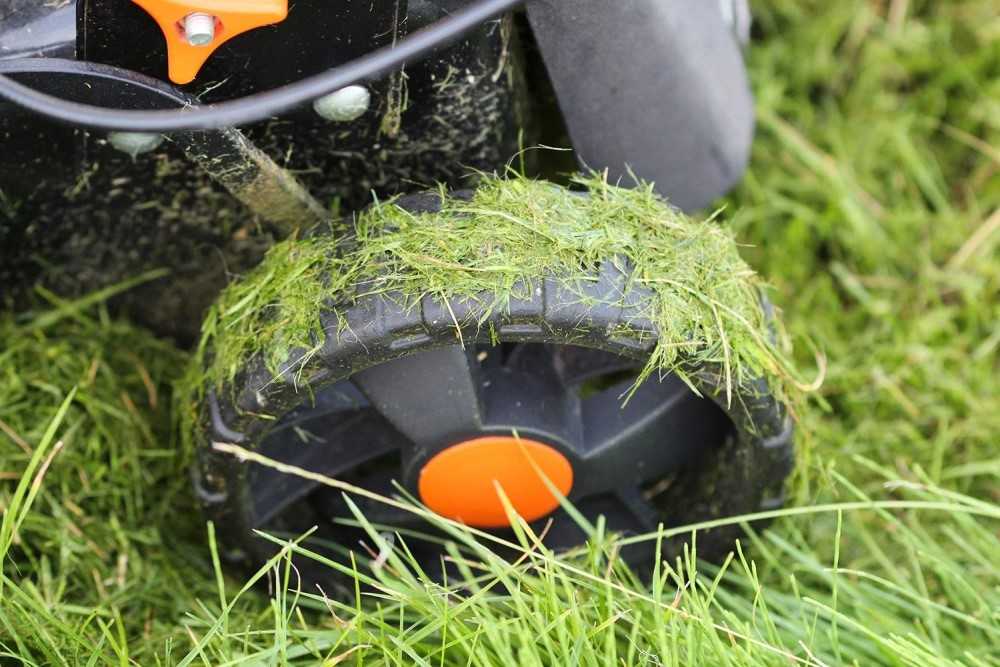
Mowing wet grass may seem like a quick solution to keep your lawn tidy, but it’s not a good idea. Not only does it lead to uneven cuts and clumps of wet grass left behind, but it can also damage your lawn and mower. Wet grass can stick to the mower blades, causing them to clog and perform poorly. Additionally, mowing when the grass is wet increases the risk of spreading diseases and pests throughout your yard. So, if you’re wondering why you should hold off on mowing right after a rain, the answer is clear: it’s better for both your grass and your equipment to wait until it dries out a bit. Your lawn will thank you for it!

Why Not To Mow Wet Grass
Mowing wet grass can seem like a convenient option, especially after a heavy rain. However, doing so can lead to several problems for both your lawn and your mower. Understanding the risks associated with mowing wet grass is essential for maintaining a healthy lawn. Let’s jump into the reasons why you should avoid this practice and how it affects various aspects of lawn care.
Risk of Soil Compaction
Mowing wet grass can cause soil compaction. When the soil is soaked with water, it becomes softer and more malleable. Heavy mower wheels can compress the soil, leading to a hard surface that makes it difficult for roots to grow.
– Soil compaction limits air circulation.
– It restricts water absorption.
– This can lead to root damage over time.
Grass Health and Growth
Mowing wet grass can also affect its health. Wet grass blades tend to bend rather than cut cleanly.
– This uneven cutting can stress the grass.
– It promotes uneven growth patterns.
– Grass might not recover as quickly, leading to patchiness.
Healthy grass thrives on consistent cutting. Failure to maintain clean cuts can lead to long-term damage.
Increased Risk of Disease
Another concern is the increased risk of lawn diseases. Wet conditions create a breeding ground for fungi and bacteria.
– When grass is cut wet, the blades are more susceptible to these diseases.
– The clippings left behind can harbor pathogens.
– This can lead to mold and mildew growth.
Proper lawn maintenance includes monitoring for any signs of disease. Mowing wet grass complicates this effort.
The Effect on Lawn Mowers
Mowing wet grass can also take a toll on your lawn mower. Wet clippings can stick to the mower deck and blades.
– This can lead to clogging, making it harder to operate.
– It can also cause the mower to work inefficiently.
– If not cleaned, it may result in corrosion and rust over time.
Taking care of your equipment is essential. Mowing when conditions are dry helps prolong the lifespan of your mower.
Performance Issues
When mowing wet grass, you might also encounter performance issues. A mower struggles more with wet grass due to the added weight of the moisture.
– This affects its ability to cut evenly.
– You may need to make multiple passes, consuming more time and energy.
– You also risk the chance of damaging the mower’s engine.
Regular maintenance of your mower includes ensuring that it is in peak operating condition. Wet grass can negatively impact that condition.
Safety Concerns
Mowing wet grass poses safety risks as well. Slippery surfaces can lead to accidents.
– It can be easy to lose footing while pushing or riding a mower.
– Wet grass can cause the mower to slip, potentially causing a loss of control.
Taking safety precautions when handling lawn equipment is crucial. Avoiding wet conditions can minimize these risks.
Time for Lawn Recovery
If you choose to mow wet grass, consider the time it takes for your lawn to recover. After being cut, grass needs a period to heal and grow back.
– Wet, damaged grass takes longer to bounce back.
– You may need to wait for drier weather before mowing again.
– This can disrupt your lawn care schedule.
Planning your mowing schedule ahead of time can help maintain lawn health.
Best Practices for Mowing
To maintain a healthy lawn, follow best practices for mowing.
– Wait for the grass to dry completely before mowing.
– Mow during the cooler parts of the day, like early morning or late afternoon.
– Keep your mower blades sharp for cleaner cuts.
By following these practices, you can ensure that your lawn remains in excellent condition.
Understanding Grass Types
Different grass types have varying tolerances to moisture. Some grasses thrive in wet conditions, while others do not.
– Cool-season grasses like Kentucky bluegrass can handle some moisture but benefit from proper care.
– Warm-season grasses like Bermuda grass prefer drier conditions.
Understanding your specific grass type can help you make informed decisions about when to mow.
Clipping Management
Managing grass clippings is also essential during mowing. When mowing wet, clippings can clump together, causing various problems.
– It can suffocate the grass underneath.
– Clumps can create an untidy appearance.
– They may lead to fungal growth if left alone.
Consider raking or blowing clippings to avoid these issues.
Choosing the Right Equipment
Using the right equipment can make a big difference in mowing efficiency and effectiveness. Consider using a mulching mower for better grass trimmings management.
– Mulching mowers chop clippings more finely.
– They distribute grass evenly across the lawn.
– This helps maintain a healthier lawn overall.
Investing in quality equipment can save you time and effort in the long run.
Alternative Lawn Maintenance Methods
If you cannot avoid mowing wet grass, consider alternative lawn maintenance methods.
– Allow grass to grow slightly taller before mowing.
– This can help it recover more quickly after mowing.
– Regularly aerate your lawn to improve drainage.
These methods can help maintain lawn health, even in less-than-ideal conditions.
But What If You Must Mow?
Sometimes, circumstances may require that you mow wet grass despite the risks. If this is the case, take precautions to minimize negative effects.
– Use a mower with a side discharge to reduce clumping.
– Mow in larger circles to avoid missing patches.
– Keep your mower speed slow to ensure a more even cut.
While it’s not ideal, these tips can help mitigate some of the downsides of mowing wet grass.
In summary, understanding why you should avoid mowing wet grass is crucial for maintaining a healthy lawn. The risks of soil compaction, grass health decline, and increased disease potential are significant. Additionally, mowing wet grass can lead to performance issues for your mower and safety concerns for you. By adhering to proper mowing practices and considering alternative options, you can ensure your lawn remains lush, healthy, and beautiful. Remember, a little patience can go a long way in lawn care.
Why Not To Mow Wet Grass!
Frequently Asked Questions
What are the risks of mowing wet grass?
Mowing wet grass can lead to several risks, including uneven cutting. The mower blades can get clogged with wet clippings, resulting in an uneven lawn. Additionally, mowing on wet ground can cause soil compaction, which negatively impacts grass health. It can also create ruts and damage the lawn due to the weight of the mower, which can be particularly problematic if the mower sinks into the mud.
How does mowing wet grass affect the mower’s performance?
When you mow wet grass, the excess moisture can overwhelm the mower’s engine and blades. The grass clippings can stick to the blades, leading to decreased cutting efficiency and increased wear on the mower. This can result in more frequent maintenance and repairs, costing you both time and money in the long run.
Can mowing wet grass lead to lawn diseases?
Yes, mowing wet grass can promote the growth of lawn diseases. When you cut wet grass, clippings can spread pathogens and fungi across the lawn, which can lead to issues like fungal infections. These pathogens thrive in moist conditions, so mowing while the grass is wet can increase the likelihood of lawns becoming infected.
What can I do if I need to mow but the grass is wet?
If you find yourself in a situation where you must mow the grass while it’s wet, consider raising the cutting height on your mower. This can help reduce the amount of stress on the grass and decrease the risk of damage. Additionally, try to mow during the driest part of the day to minimize moisture on the grass.
What are some alternatives to mowing wet grass?
Instead of mowing wet grass, you can opt for other maintenance methods. Consider using a string trimmer or a hand mower, which can handle wet conditions better than larger mowers. Additionally, you could focus on other lawn care tasks such as fertilizing or aerating until the grass dries out.
Final Thoughts
Mowing wet grass can lead to uneven cuts and potential damage to the lawn. The mower may clog and require frequent cleaning, wasting your time and effort. Additionally, wet grass can create slippery conditions, increasing the risk of accidents.
Choosing not to mow in wet conditions preserves your mower’s blades and ensures a healthier lawn. It’s clear why not to mow wet grass; the drawbacks outweigh any convenience. Maintain your lawn care routine by waiting for drier conditions for the best results.