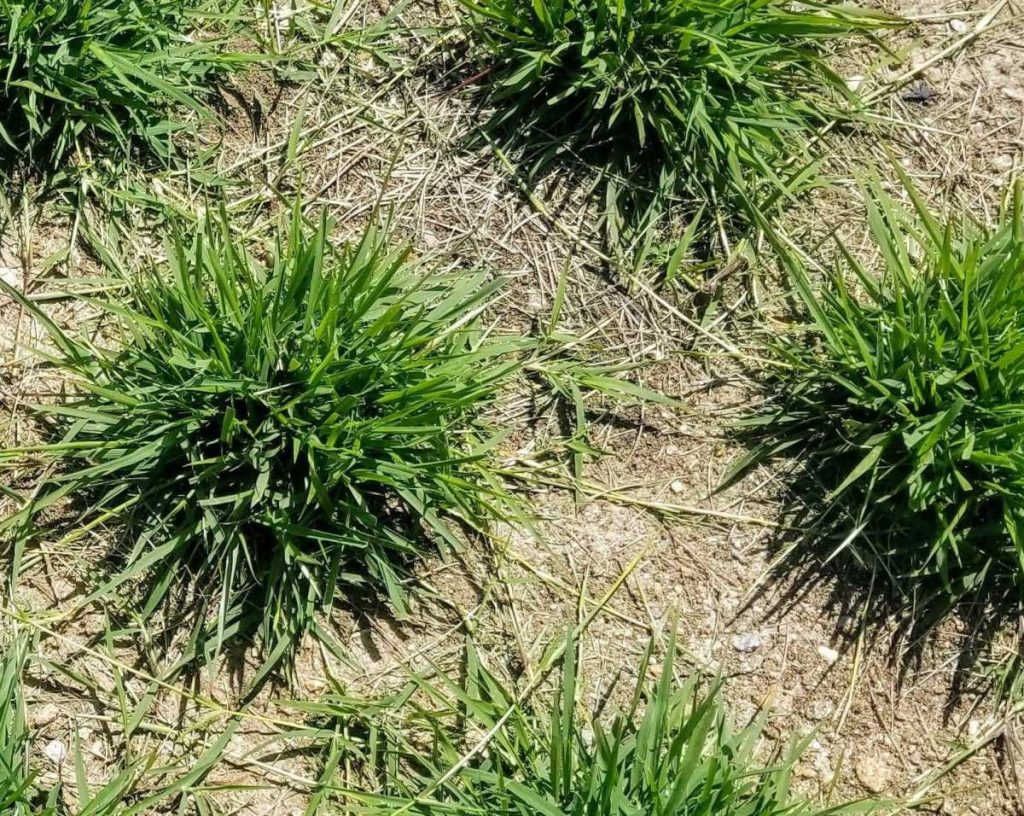
Zoysia grass is often mistaken for a weed, but it’s actually a popular warm-season turf grass. If your lawn is overrun by Zoysia, you might be wondering if it’s a weed or a valuable plant. The quick answer is that Zoysia isn’t a weed; it’s a desirable grass species used in lawns, but it can become invasive if not properly managed. This grass has an aggressive growth habit that can outcompete other desirable plants, making it seem like a weed in some situations. Managing Zoysia requires understanding its growth patterns and carefully controlling its spread to keep your lawn healthy and attractive. In this article, we’ll explore whether Zoysia is actually a weed, why it can sometimes seem invasive, and how to manage it effectively for a lush, well-maintained yard.

Is Zoysia Grass a Weed? Understanding Its Nature and How to Manage It
What Is Zoysia Grass?
Zoysia grass is a popular warm-season turfgrass known for its dense, lush appearance. Many homeowners choose it for lawns because it creates a soft, green carpet. However, some people consider it a weed under certain circumstances.
Why Do People Think Zoysia Grass Is a Weed?
Despite being a desirable grass for lawns, zoysia can sometimes behave like a weed. It spreads rapidly and can invade areas where it isn’t wanted. This aggressive growth makes some see it as problematic.
The Characteristics That Make Zoysia Seem Like a Weed
- Rapid Spreading: Zoysia spreads through underground runners called stolons. This allows it to quickly colonize open spaces.
- Hard to Control: Once established, zoysia can be difficult to eradicate or contain. It resists many common control methods.
- Persistent Growth: Its tolerance to drought and heat means it stays resilient, often outcompeting other plants.
Understanding these traits helps clarify why some label it a weed in certain settings.
When Does Zoysia Become a Weed?
Zoysia is considered a weed when it invades areas where other plants or grasses are meant to grow. For example, it can take over flower beds, vegetable gardens, or pathways. Its aggressive nature means it can outgrow and smother less competitive plants.
Invasion in Non-Lawn Areas
Zoysia often invades neighboring plant beds or lawns that were not intended to have this grass. Its ability to produce numerous stolons helps it spread into these spaces rapidly.
Overgrowth in Lawns
Even within lawns, zoysia can become a problem if it spreads beyond its designated area. Over time, it can form a thick mat that suppresses other grass types, leading to a monoculture.
Factors That Promote Zoysia Grass as a Weed
Several conditions encourage zoysia’s weed-like behavior. Understanding these can help in managing its growth effectively.
Climate and Soil Conditions
Zoysia thrives in warm climates with well-drained soil. These conditions foster its rapid growth, sometimes making it overwhelming.
Improper Lawn Maintenance
Lack of regular mowing, watering, and fertilizing can lead to uncontrolled zoysia spread. Dense, overgrown patches become harder to control over time.
Disturbance and Damage
Areas that experience wear or damage create openings for zoysia to invade and dominate. Its quick recovery makes it a persistent problem.
Methods to Control Zoysia Grass When It Acts Like a Weed
Controlling zoysia involves a combination of physical, chemical, and cultural methods.
Physical Removal Techniques
- Hand Pulling: For small patches, pulling out zoysia stolons can be effective. Be sure to remove all roots to prevent regrowth.
- Digging and Excavation: For larger areas, trenching or digging can remove extensive root systems. This method is labor-intensive.
Using Herbicides
Herbicides can be effective but should be used carefully to prevent damage to desirable plants. Look for products labeled for zoysia control and follow instructions precisely.
Cultural Practices to Suppress Zoysia
- Competitive Turf Management: Planting competitive grasses can help prevent zoysia invasion. Proper mowing height and fertilization promote healthy, competitive lawns.
- Regular Mowing: Mowing at the recommended height keeps zoysia from spreading excessively.
- Watering Practices: Deep but infrequent watering encourages strong root growth and limits zoysia’s rapid spread.
Preventing Zoysia From Becoming a Weed
Prevention is often the best strategy. Early control and proper lawn maintenance can stop zoysia from becoming a problem.
Establish Clear Boundaries
Designate specific areas for zoysia to grow. Using barriers or edging can prevent it from invading neighboring zones.
Regular Lawn Maintenance
Maintain a consistent fertilization schedule, mow at the proper height, and water appropriately. These practices promote healthy growth of desired grasses and suppress zoysia’s spread.
Selective Planting
Choose turfgrass varieties that are less aggressive if you want to avoid zoysia invasions. Mixing different types can reduce the chance of zoysia taking over.
Dealing With Zoysia in Different Types of Landscapes
Management strategies differ depending on where zoysia appears.
In Lawns
Focus on regular mowing, overseeding with other grasses, and spot treatments of herbicides to keep it in check.
In Flower Beds and Garden Areas
Physical removal works best, as herbicides might damage desired plants. Mulching can also suppress zoysia growth.
In Pathways or Driveways
Manual removal combined with edging helps keep it confined. Applying weed barrier fabric can prevent its spread.
Related Topics
- Difference Between Zoysia and Other Turfgrasses: Understanding how zoysia compares to Bermudagrass, St. Augustine, and Centipede grass.
- Benefits of Zoysia Grass: Its drought tolerance, low mowing requirements, and shade tolerance.
- Environmental Impact of Zoysia: How it affects local ecosystems and biodiversity.
Summary
While zoysia grass is generally prized for its qualities as a turfgrass, its aggressive growth habits can lead to it being seen as a weed. Recognizing the signs of unwanted invasion and applying effective control methods can help keep it manageable. Proper lawn management and early intervention prevent zoysia from taking over areas where it isn’t wanted.
How To Care For Zoysia Grass!! Full Guide!! Fertilizer | Mowing | Watering | Pest | Fungus | Weeds
Frequently Asked Questions
Can zoysia grass be considered a weed in certain areas?
Yes, zoysia grass can be viewed as a weed when it invades lawns or gardens where it is not desired. While it is a popular turfgrass in some regions, its aggressive growth can make it difficult to control, leading homeowners to see it as an undesirable plant in specific areas.
What are the signs that zoysia grass is spreading uncontrollably?
Indicators include patches of grass spreading into neighboring areas, thick and dense growth that crowds out other plants, and difficulty in removing or thinning the grass without causing damage to surrounding plants. Sudden changes in lawn pattern may also suggest aggressive zoysia expansion.
How can homeowners prevent zoysia grass from becoming invasive?
Regular lawn maintenance, including proper mowing, watering, and edging, helps control zoysia spread. Additionally, removing runners and unwanted patches promptly and using physical barriers can limit its growth. Choosing the right type of turfgrass suited for your climate and soil conditions also reduces the chances of zoysia becoming invasive.
Is it possible to eliminate zoysia grass from a lawn completely?
Eliminating zoysia grass requires persistent effort, such as repeated overseeding with other turf types, heavy turf removal, or chemical treatments. However, complete removal might be challenging, and natural regrowth can occur if the root system is not entirely eradicated. Consulting lawn care professionals can help develop effective removal strategies.
What are alternatives to zoysia grass if I want to avoid invasive turf options?
Consider planting less aggressive grasses like fescue or Kentucky bluegrass, which typically do not spread as rapidly or invasively as zoysia. Ground covers such as clover or sedum also provide lush coverage without the risk of aggressive spread, offering attractive and manageable lawn options.
Final Thoughts
Zoysia grass is often mistaken for a desirable lawn, but it is actually a weed in many settings. Its rapid spread can outcompete native plants and disrupt local ecosystems. Removing it requires consistent effort and proper lawn management techniques.
Understanding its invasive nature helps homeowners identify and control it before it takes over large areas. Regular maintenance and targeted removal are crucial for keeping zoysia grass in check.
In conclusion, zoysia grass is a weed that can pose significant challenges to maintaining a healthy yard. Recognizing its presence early makes control easier. Keep in mind that ‘zoysia grass is a weed’ when managing your landscape.