The best lawn insect killer depends on the specific pests you’re battling and your lawn’s needs, but generally, systemic insecticides like imidacloprid or natural options like neem oil are highly effective. For quick results, products containing bifenthrin or lambda-cyhalothrin do the job swiftly. Always consider eco-friendly options to protect beneficial insects and the environment.
In short, the top choices for lawn insect killers are those that offer rapid action and targeted pest control, with eco-conscious options gaining popularity for their safety and effectiveness. Understanding your lawn’s pest problem and choosing the right product can make a significant difference in restoring its health and beauty.
If you’re tired of watching your lush grass turn into a battlefield of insects, choosing the right insect killer is essential. Some products act quickly to eliminate pests, while others provide long-term protection. Whether you’re dealing with ants, grubs, or chinch bugs, selecting the most effective solution involves considering the pest type, safety, and environmental impact. This guide will help you navigate your options and find the best lawn insect killer tailored to your needs, ensuring your yard stays healthy, pest-free, and vibrant all season long.

Which Lawn Insect Killer Is Best?
Choosing the right insect killer for your lawn can help you keep pests away and ensure your grass stays healthy and green. With so many options available, it’s important to understand what works best for your specific pest problem. This guide will walk you through different types of lawn insect killers, their strengths, and how to pick the best one for your yard.
Understanding Common Lawn Pests
Before selecting an insect killer, identify the pests causing trouble. Common lawn pests include ants, grubs, chinch bugs, fleas, and ticks. Each pest requires a different approach for effective control.
Ants
Ants can damage your lawn by tunneling and disturbing the soil. They often build large colonies that are easy to spot.
Grubs
White grub worms feed on grass roots, which can cause patches of dead or thinning grass. They are often hidden beneath the surface.
Chinch Bugs
Chinch bugs suck sap from grass blades, leaving yellow patches that can quickly turn brown.
Fleas and Ticks
Fleas and ticks can infest your lawn, especially if you have pets. They pose health risks and can make outdoor areas unsafe.
Types of Lawn Insect Killers
There are several categories of insect killers for lawns, each suited to different pests and situations. Understanding these options helps you make a wise choice.
Granular Insecticides
Granular options come in small pellets sprinkled directly onto the lawn. They gradually release insecticide, providing long-lasting control.
- Best for widespread pests like grubs and ants
- Easy to apply with a spreader
- Requires watering after application for activation
Liquid Insecticides
Liquid formulas allow quick and targeted pest control. They are typically mixed with water and sprayed on affected areas.
- Effective for spot treatments and immediate results
- Ideal for treat specific pest infestations like chinch bugs or fleas
- Requires precise mixing and application
Natural and Organic Insect Killers
These products use natural ingredients such as neem oil, pyrethrin, or diatomaceous earth. They provide pest control with less chemical impact.
- Safer for children, pets, and the environment
- Best for organic lawns or sensitive areas
- May need more frequent applications
Insecticidal Soaps and Oils
These are contact killers that coat pests, causing dehydration and death. They are good for soft-bodied insects like aphids and mites.
- Apply directly to pests on grass and plants
- Less harmful to beneficial insects if used carefully
- Require reapplication after rain or watering
Factors to Consider When Choosing the Best Lawn Insect Killer
Picking the right product depends on several key factors. Here are some considerations to keep in mind:
Type of Pest
Identify the pest to select the most effective treatment. Some insect killers work better on specific pests like grubs or fleas.
Environment and Safety
Choose products that are safe for children, pets, and beneficial insects if your lawn has high foot traffic or wildlife nearby.
Application Method
Decide if you prefer granular, liquid, or natural options based on your comfort level and the size of your lawn.
Persistence and Longevity
Some products provide quick control but need reapplication, while others last longer, reducing the number of treatments needed.
Budget
Cost varies among products; weigh the price against effectiveness and longevity to get the best value.
Top Recommended Lawn Insect Killers
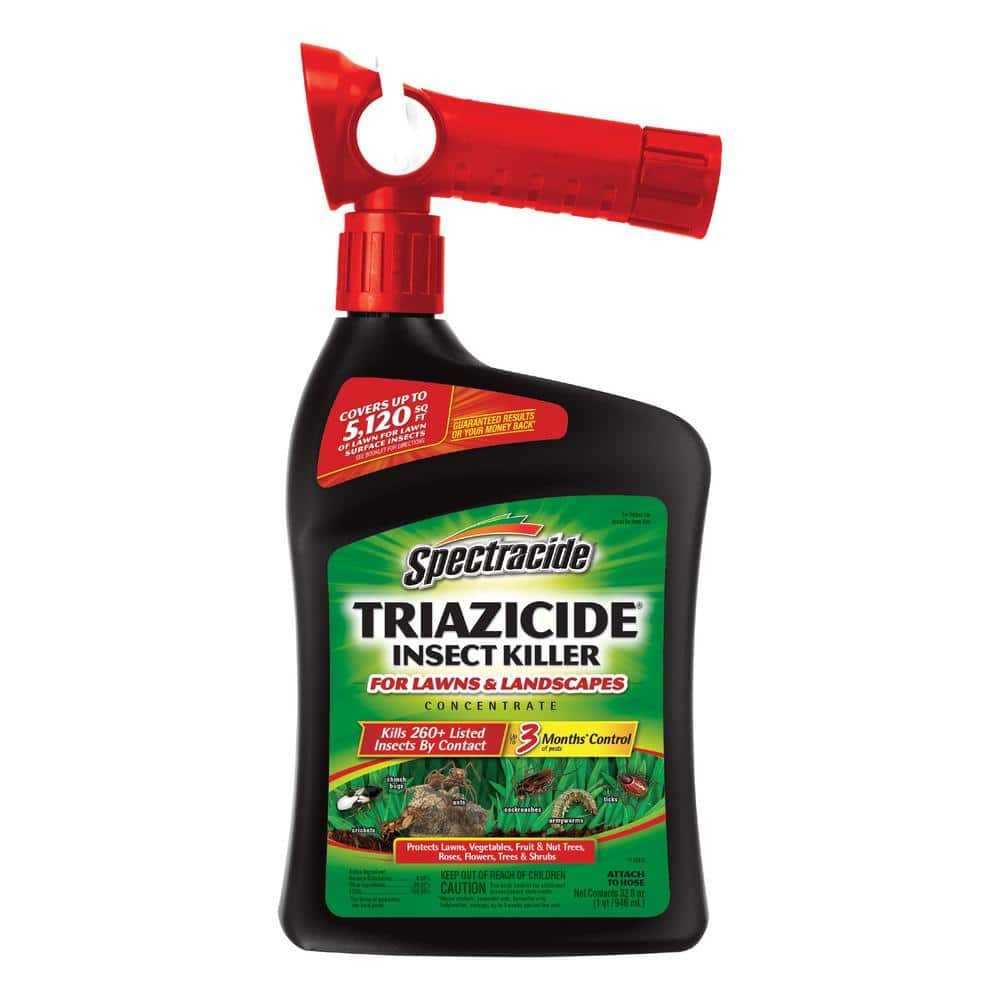
Best for Grubs and Ants: Spectracide Triazicide Insect Killer
This granular insecticide offers broad-spectrum control, perfect for a yard facing multiple pest types. It kills on contact and lasts for months.
Best for Spot Treatments: Garden Safe Neem Oil
Neem oil is organic and effective against a wide range of pests. It’s safe to spray on grass and plants, making it ideal for targeted treatments.
Best for Fleas and Ticks: Adams Plus Yard Spray
This liquid spray quickly reduces flea and tick populations, creating a safer outdoor space for your family and pets.
Best for Organic Gardens: Safer Brand Neem Oil
Another natural option, neem oil, works well for organic lawns needing pest control without harsh chemicals.
Tips for Effective Lawn Pest Control
Applying insect killers properly makes a big difference in their effectiveness. Here are some helpful tips:
- Always read and follow the manufacturer’s instructions carefully.
- Apply during early morning or late evening to avoid sunburn on grass and reduce evaporation.
- Water your lawn thoroughly before applying granular products for better penetration.
- Reapply as recommended, especially after rains or heavy watering.
- Combine insect control with regular lawn maintenance like mowing and aeration for healthier grass resistant to pests.
Preventive Measures to Keep Pests Away
Prevention helps reduce the need for chemical treatments. Here are some practices:
- Regularly inspect your lawn for early pest signs.
- Maintain healthy soil with proper fertilization and watering.
- Seal cracks and remove debris where pests might hide.
- Introduce beneficial insects like ladybugs or nematodes that naturally control pests.
Choosing the best lawn insect killer involves understanding your pest problem, considering safety and environmental impact, and matching the product to your lawn’s needs. Whether opting for granular, liquid, or organic options, applying correctly ensures effective pest control and a vibrant, healthy yard. With the right approach, you can keep pests at bay and enjoy a lush, pest-free lawn all season long.
How to Use Spectracide® Triazicide® Insect Killer For Lawns Granules
Frequently Asked Questions
What criteria should I consider when choosing a lawn insect killer?
When selecting a lawn insect killer, consider the types of pests present, the product’s effectiveness, environmental safety, and application method. Look for options that target specific insects to avoid harming beneficial bugs and ensure the product is suitable for use on your grass type. Reading reviews and following manufacturer instructions can also help you choose the most effective and safe solution for your lawn.
Are natural or organic lawn insect killers more effective than chemical options?
Natural and organic insect killers can effectively control pests while minimizing environmental impact and reducing chemical exposure. However, their effectiveness may vary based on pest type and infestation severity. For moderate to severe infestations, combining natural options with other lawn care practices or choosing targeted chemical solutions might yield better results. Always evaluate your specific needs and consider eco-friendly options when possible.
How often should I apply a lawn insect killer for ongoing pest control?
The frequency of application depends on the product and the level of pest activity. Generally, most insect killers require reapplication every few weeks during peak pest seasons. Always follow the instructions provided on the product label to prevent overuse and ensure safe, effective control. Regular monitoring of your lawn helps determine if additional treatments are necessary.
Final Thoughts
The best lawn insect killer depends on your specific needs and preferences. For quick results, a spray with broad-spectrum insecticide works well. Organic options like neem oil suit those seeking eco-friendly solutions.
Consider factors such as safety, effectiveness, and environmental impact when choosing the right product. Each option offers unique benefits, so select one that aligns with your lawn care goals.
which lawn insect killer is best ultimately hinges on balancing effectiveness with safety. Evaluate your lawn’s unique challenges and personal preferences to make the best choice for your outdoor space.