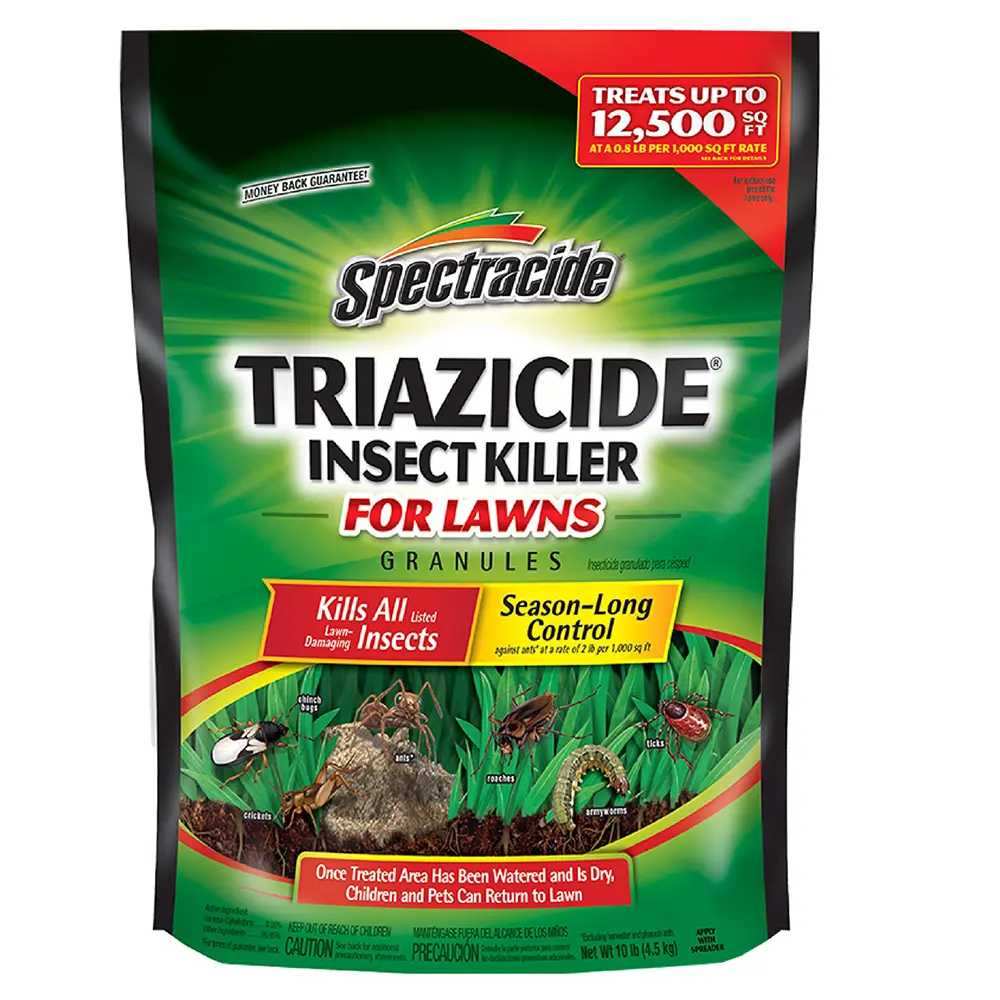
To effectively apply lawn insect killer, start by choosing the right product for your specific pests, then follow the instructions carefully, applying it on a dry, calm day for best results. Use a spreader or sprayer to ensure even coverage and reapply as needed, especially after rain. Keep people and pets away during and shortly after application for safety.
Applying lawn insect killer is straightforward if you follow a few simple steps. First, identify the pests attacking your lawn to select an effective product. Next, read the label thoroughly to understand proper application techniques and safety precautions. For even distribution, use a broadcast spreader or a pump sprayer, depending on the formulation. Apply on a day with no wind or rain to prevent runoff and ensure the solution soaks into the soil or grass. After treatment, stay off the lawn until the product has dried, and reapply if pests persist. Proper application can protect your lawn and restore its lush, healthy appearance.
Pest problems can quickly ruin your yard’s beauty, but applying the right lawn insect killer correctly makes all the difference. Knowing when and how to treat your lawn ensures that pests are effectively managed without harming your grass or the environment. In just a few simple steps, you can keep your lawn pest-free and looking its best, all while maintaining safety for your family and pets. This guide will walk you through the process, so you can confidently tackle lawn pests and enjoy a healthy, vibrant yard.

How to Apply Lawn Insect Killer
Applying lawn insect killer correctly is essential to keep your yard free from pests and protect your grass. Proper application not only ensures effectiveness but also keeps your family and pets safe. In this guide, you’ll learn step-by-step how to apply lawn insect killer properly and safely.
Choosing the Right Insect Killer for Your Lawn
First, identify the pests infesting your lawn. Common pests include grubs, chinch bugs, and armyworms. Select an insect killer specifically formulated to target these pests.
Read product labels carefully to confirm the active ingredients. Look for products that are safe for pets and children if they play outside frequently.
Preparing Your Lawn Before Application
Clear your lawn of debris such as leaves, sticks, and grass clippings. Mow the grass to a shorter height to allow better penetration of the insecticide.
Next, water your lawn lightly a day before applying the insect killer. Slightly moist soil helps the product to reach pests hiding underground.
Reading and Following the Product Instructions
Always read the label instructions thoroughly before use. Follow the recommended dosage to avoid over-application and potential harm to your lawn and the environment.
Note the recommended weather conditions. Avoid applying during rain or high winds, which can reduce effectiveness and cause drift.
Tools Needed for Application
Gather the right tools, such as a backpack sprayer, hose-end sprayer, or granular spreader, depending on your product type. Use clean equipment to avoid contamination.
Wear protective gear like gloves, goggles, and a mask if necessary. This keeps you safe from accidental contact with chemicals.
Applying Liquid Insecticide
Mix the liquid insecticide in your sprayer according to the label instructions. Shake or stir the mixture properly for uniform application.
Start spraying from one corner of your lawn, working your way systematically across the area. Maintain a consistent distance from the ground for even coverage.
Ensure you cover the entire lawn, paying special attention to areas where pests are active. Avoid oversaturating the grass to prevent runoff or damage.
Applying Granular Insecticides
If using a granular product, calibrate your spreader to distribute the right amount. Walk steadily across your yard in a pattern that covers the entire area evenly.
Apply the granules during calm, dry weather for the best results. After spreading, lightly water the lawn if instructed, to help the product penetrate the soil.
Timing and Frequency of Application
Apply lawn insect killer at the first sign of pest activity or as a preventative measure before pests become a problem. Typically, this means early spring or late summer.
Follow the product’s guidelines for how often to reapply. Usually, a treatment every four to six weeks is effective, but avoid exceeding the recommended number of applications.
Additional Tips for Safe and Effective Use
- Apply during cooler parts of the day, such as early morning or late evening, to minimize evaporation and drift.
- Keep children and pets off the lawn during and after application until the product dries completely.
- Store insecticides in a safe, labeled container away from food and water sources.
Handling and Disposal of Leftover Products
Follow local regulations for disposal of unused insecticide and empty containers. Never pour leftovers down drains or onto the ground.
Proper disposal prevents environmental contamination and keeps your home safe.
Monitoring and Follow-Up
After applying insect killer, monitor your lawn regularly for signs of pests. If pests persist, consider a second treatment after the recommended interval.
Maintain a healthy lawn through proper watering, mowing, and fertilizing to naturally reduce pest problems over time.
Integrating Lawn Care and Pest Management
Combine insecticide application with other lawn care practices, such as aeration and overseeding, to create a pest-resistant yard. Use organic methods where suitable for a more eco-friendly approach.
Maintain good soil health by testing and amending your soil to support strong, pest-resistant grass.
Common Mistakes to Avoid
- Applying insecticide during windy conditions, which causes drift and waste.
- Over-application, risking damage to your lawn and harming beneficial insects.
- Ignoring weather forecasts that predict rain soon after application.
- Using expired or improperly stored chemicals.
Additional Related Topics
If you’re interested in enhancing pest control, consider integrating biological controls like beneficial nematodes or applying earth-friendly pesticides. Proper lawn watering, fertilization, and aeration also help reduce pest issues naturally.
Remember, patience and consistent lawn care are key to maintaining a pest-free yard. With proper application techniques, you can achieve a lush, healthy lawn that’s safe for your family and pets.
How to Use Spectracide Triazicide for Insect Control
Frequently Asked Questions
How can I prepare my lawn before applying insect killer?
Start by mowing your lawn to ensure the grass is short and even. Rake away any debris, such as leaves and sticks, to allow the insect killer to reach the soil effectively. Water the lawn lightly a day before application to help the product penetrate the soil and reach pests hiding underneath. These steps help maximize the insect killer’s effectiveness and ensure safety for your plants and pets.
What is the best way to apply lawn insect killer for even coverage?
Use a backpack sprayer or a broadcast spreader to apply the insect killer uniformly across your lawn. Follow the manufacturer’s instructions to determine the correct amount to use. Begin at one corner of your yard and work systematically to cover the entire area, overlapping slightly to prevent gaps. Applying the product during calm weather conditions reduces drift and ensures even distribution.
When is the ideal time to apply lawn insect killer?
Apply the insect killer during the early morning or late evening when temperatures are cooler and wind speeds are lower. Avoid applying it during windy, rainy, or extremely hot days, as these conditions can reduce effectiveness and cause runoff. Performing the application when pests are most active, such as in the early stages of pest infestation, helps control their population more effectively.
How often should I reapply lawn insect killer to maintain pest control?
Reapply the insect killer according to the product’s label recommendations, typically every 2 to 4 weeks. Monitor your lawn for signs of pest activity, and avoid over-application, which can harm beneficial insects and the environment. Regular inspections help you determine if additional treatments are necessary, ensuring your lawn stays healthy and pest-free.
Final Thoughts
To apply lawn insect killer effectively, wear protective gloves and follow the product instructions closely.
Begin by watering your lawn a day before application, ensuring pests are active and the product adheres better.
Spray evenly over the affected areas, paying special attention to spots with visible insect activity.
In conclusion, knowing how to apply lawn insect killer helps you control pests efficiently and keep your lawn healthy.