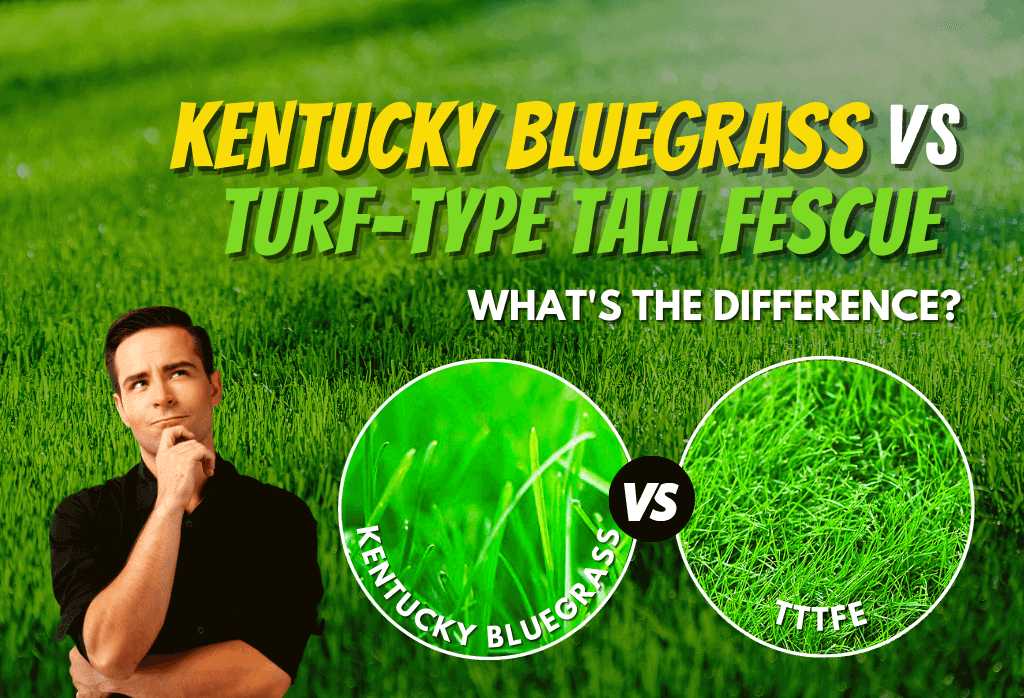
Tall fescue and Kentucky bluegrass each have their unique strengths, but which one truly stands out for your lawn? If you’re torn between these two popular grasses, the best choice depends on your climate, maintenance preferences, and intended use. For durability and drought tolerance, tall fescue often takes the lead, while Kentucky bluegrass offers a lush, fine texture perfect for aesthetic appeal. Overall, tall fescue is generally better for low-maintenance, resilient lawns, whereas Kentucky bluegrass excels in creating a dense and attractive surface.
When deciding between tall fescue and Kentucky bluegrass, consider your local weather, soil type, and how much time you’re willing to devote to lawn care. Both grasses can be excellent options, but your specific conditions will determine which one is the better fit for a healthy, beautiful lawn.

Which is better, tall fescue or Kentucky bluegrass?
Understanding the Basics of Tall Fescue and Kentucky Bluegrass
To decide which grass is better for your lawn, it’s important to understand their unique characteristics. Tall fescue is known for its deep roots and drought resistance, making it suitable for areas with less water. Kentucky bluegrass, on the other hand, is prized for its lush, dense texture and vibrant green color.
Tall fescue is a cool-season grass that thrives in a variety of soil types. It can grow well in both sunny and shady areas, making it versatile. Kentucky bluegrass prefers well-drained soil and full sun, producing a soft, carpet-like appearance that many homeowners admire.
Climate Compatibility and Growing Conditions
Climate plays a vital role in choosing the right grass. Tall fescue is highly adaptable to different weather conditions, especially in regions with hot summers and dry periods. Its deep root system helps it survive droughts better than many other grasses.
Kentucky bluegrass prefers cooler temperatures and tends to suffer during hot, dry summers. It requires regular watering and fertilization to maintain its lush look. If you live in an area with harsh winters, Kentucky bluegrass can handle cold temperatures well, but it may need extra care during summer.
Maintenance and Care Needs
The amount of maintenance required can influence your choice. Tall fescue generally needs less frequent watering, thanks to its drought tolerance. It also requires less fertilization and is more resistant to pests and diseases.
Kentucky bluegrass demands consistent watering and fertilization to stay healthy. It needs regular mowing, usually at a height of 1.5 to 2 inches, to keep its dense appearance. Its susceptibility to pests like chinch bugs and diseases such as dollar spot can increase maintenance efforts.
Durability and Wear Tolerance
Both grasses handle foot traffic differently. Tall fescue is highly durable, making it ideal for lawns with a lot of activity, sports areas, or kids’ play zones. Its tougher blades and deep roots help resist wear and tear.
Kentucky bluegrass can also endure regular use but tends to develop thin spots where it gets heavily trampled. Its dense growth can recover quickly, but it is more sensitive to drought stress, which can affect its durability over time.
Visual Appeal and Lawn Aesthetics
If a vibrant, lush green lawn is your goal, Kentucky bluegrass offers a soft, dense surface with a rich color. Its fine-textured blades create a smooth, uniform appearance that many find attractive.
Tall fescue provides a coarser texture but offers a natural, rustic look. Its darker green shade and upright growth give it a more casual and hardy appearance. It may not be as plush as Kentucky bluegrass but offers a very practical visual appeal.
Cost Considerations: Establishment and Ongoing Expenses
Initial costs differ between the two grasses. Kentucky bluegrass seed tends to be more expensive because of its fine texture and popularity. It also requires more frequent fertilization and watering, increasing ongoing costs.
Tall fescue is often more affordable initially and saves money in the long run due to its low water and fertilizer needs. Its resilience reduces the need for frequent pest control or reseeding, making it a cost-effective choice.
Establishment Time and Growth Rate
Kentucky bluegrass is a slow-establishing grass, often taking several weeks to germinate and several months to form a full lawn. It spreads by rhizomes, which helps fill in patches naturally.
Tall fescue establishes faster, spreading quickly through seed, and can produce a playable lawn in a shorter period. Its vigorous growth habit makes it a popular choice for lawns needing quick results.
Environmental Impact and Sustainability
Tall fescue’s drought tolerance makes it more environmentally friendly by reducing water consumption. Its ability to withstand drought and pests means less use of chemical treatments.
Kentucky bluegrass, while beautiful, may require more water and chemical fertilizers to keep its lush appearance, which can impact environmental sustainability negatively. Choosing a sustainable lawn depends largely on your region and how much water and chemicals you’re willing to use.
Best Uses and Applications
Tall fescue is ideal for areas with limited irrigation, high foot traffic, or where a low-maintenance lawn is needed. It’s perfect for parks, sports fields, or homes with busy families.
Kentucky bluegrass suits locations where aesthetics are a priority, such as ornamental lawns, golf courses, or gardens. Its fine texture and uniform color appeal to homeowners seeking a pristine, manicured look.
Summary Table: Tall Fescue vs Kentucky Bluegrass
| Feature | Tall Fescue | Kentucky Bluegrass |
|---|---|---|
| Climate Suitability | Warm and cool seasons, drought-tolerant | Cool-season, sensitive to drought |
| Maintenance | Low to moderate | High |
| Durability | High, tough for heavy use | Moderate, good recovery but sensitive to drought |
| Visual Appeal | Coarser, darker green | Fine, lush, vibrant green |
| Cost | Lower initial and ongoing costs | Higher seed and maintenance costs |
| Growth Speed | Fast establishment | Slower to establish |
| Environmental Impact | More sustainable due to drought tolerance | Less sustainable, higher water and fertilizer needs |
| Best for | High traffic, low maintenance lawns | Ornamental, aesthetic lawns |
Related Topics to Consider
- Proper lawn watering techniques
- Fertilization schedules for different grasses
- Pest management strategies
- Soil amendments and aeration benefits
- Seeding vs. sod options for establishing grass
Choosing between tall fescue and Kentucky bluegrass depends on your climate, lawn use, and maintenance preferences. Both have their strengths, and understanding these will help you select the best grass for your outdoor space.
Kentucky 31 Vs Tall Fescue- Know Which One Is Best
Frequently Asked Questions
How does drought tolerance compare between tall fescue and Kentucky bluegrass?
Tall fescue generally exhibits better drought tolerance than Kentucky bluegrass. It has deeper root systems that help it access water more effectively during dry spells. Kentucky bluegrass prefers consistent moisture and can suffer from drought stress if irrigation is insufficient, making tall fescue a better option for areas prone to drought or irregular watering.
Which type of grass requires more maintenance to stay healthy?
Kentucky bluegrass usually demands more maintenance, including regular fertilization, frequent watering, and aeration to maintain its lush appearance. Tall fescue is more tolerant of less frequent mowing and fertilization, making it a lower-maintenance choice for those seeking a resilient lawn with less upkeep.
In terms of wear resistance, which grass performs better?
Tall fescue has stronger resistance to foot traffic and wear, making it suitable for high-use lawns, sports fields, or heavily frequented areas. Kentucky bluegrass, while attractive and dense, can become damaged more easily under heavy use and may require additional care to recover quickly.
How do shade tolerance levels differ between these grasses?
Kentucky bluegrass generally tolerates shade better than tall fescue, especially in partial shade conditions. Tall fescue prefers sunnier locations but can grow in some shaded areas with proper care. If your lawn has significant shaded sections, Kentucky bluegrass might perform better with less specialized management.
What are the differences in adaptability to soil types for tall fescue and Kentucky bluegrass?
Tall fescue adapts well to a variety of soil types, including poorer and clay soils, due to its deep root system. Kentucky bluegrass prefers well-drained, fertile soils and may struggle in heavy clay or overly dry soils. For challenging soil conditions, tall fescue offers a more adaptable choice.
Final Thoughts
Tall fescue thrives in drought conditions and requires less maintenance, making it ideal for dry areas. Kentucky bluegrass offers a lush, dense lawn that recovers quickly from damage.
Both grasses have their strengths, but their suitability depends on climate and usage. Tall fescue is durable and drought-tolerant, while Kentucky bluegrass excels in aesthetics and softness.
Which is better, tall fescue or Kentucky bluegrass? It depends on your lawn’s needs. For durability, tall fescue wins; for beauty, Kentucky bluegrass is preferable.