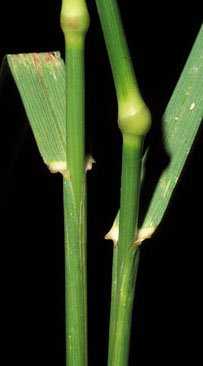
People often avoid tall fescue because it can be high-maintenance and problematic in certain environments. While it’s a hardy grass, many find it less desirable for their lawns due to its tendency to spread aggressively and the potential for health issues such as allergies.
Tall fescue is disliked mainly because it can become invasive, requiring frequent mowing and control efforts. Additionally, it may not blend well with other grass types, leading to uneven lawns, and some people are concerned about its impact on allergies. Understanding these concerns can help you decide whether tall fescue is suited for your yard or if other grass options might be better.

Why do people not like tall fescue?
Introduction to Tall Fescue and Its Popularity
Tall fescue is a common grass type often used for lawns, sports fields, and pastures. Despite its widespread use, many people express frustration with this grass. Reasons for dislike range from maintenance issues to aesthetic concerns.
Growth Habits and Appearance
Tall fescue can grow rapidly, especially during warm months, making it appear unruly. Its coarse texture and darker green shade may not appeal to everyone seeking a smooth, uniform lawn. Some find its height unattractive, especially if it isn’t cut regularly.
Maintenance Challenges and Issues
Maintaining tall fescue requires frequent mowing due to its vigorous growth. If not cut properly, it can become overgrown quickly. Its deep root system, while beneficial for drought tolerance, can make aeration and overseeding more complicated.
High Water and Fertilizer Needs
Although tall fescue is drought-tolerant, it still needs regular watering and fertilization to stay healthy and lush. Overwatering can lead to fungal diseases, making lawn care more demanding. Excessive fertilizer use can cause thatch buildup.
Thatch Buildup and Disease Susceptibility
Tall fescue tends to develop a layer of thatch—dead grass and roots between the soil and green grass—which can hinder water and nutrient absorption. It is also susceptible to diseases like brown patch and rust, especially in humid conditions.
Invasiveness and Spread
This grass has a strong tendency to spread beyond its intended area, especially in cool, moist climates. It can invade flower beds, sidewalks, and other areas, becoming a nuisance for homeowners.
Difficulty in Removal
When unwanted, removing tall fescue can be challenging. Its deep roots make it resistant to some weed control methods, leading to ongoing maintenance efforts. Manual removal might be labor-intensive and time-consuming.
Impact on Local Ecosystems
Though hardy, tall fescue’s aggressive growth can disrupt local plant diversity. It may outcompete native grasses and plants, reducing biodiversity in natural areas and gardens. Ecologists often view it as an invasive species in some regions.
Allergies and Toxicity
While generally safe for humans and animals, some people have allergies to tall fescue pollen. Additionally, certain types of tall fescue produce alkaloids that can be toxic to livestock, affecting farmers and ranchers.
Cost and Time Investment
Maintaining a tall fescue lawn often demands higher investment in fertilizers, water, and lawn care products. The frequent mowing and disease management increase upkeep costs and time, which many find inconvenient.
Preference for Alternative Grasses
Many homeowners prefer other grass types like Kentucky bluegrass or Bermuda grass, which have finer textures, easier maintenance, or better appearance. These alternatives often require less water and are more manageable in certain climates.
Environmental Concerns
Tall fescue’s robust growth can lead to increased use of chemical treatments. Critics argue that this may harm surrounding wildlife and water quality. Some see it as an environmentally unfriendly choice compared to native grasses.
Summary of Main Reasons for Dislike
- Unattractive, coarse appearance
- High maintenance needs
- Overgrowth and invasiveness
- Susceptibility to diseases and pests
- Costly upkeep
- Environmental impact concerns
Related Topics: Alternatives to Tall Fescue
If tall fescue doesn’t suit your needs, consider options like Kentucky bluegrass for a finer texture or Bermuda grass for warmer climates. Each grass type has its own advantages and disadvantages suited to different environments.
Understanding why many people dislike tall fescue helps homeowners make informed decisions about their lawns. Its vigorous growth, maintenance challenges, and potential invasiveness contribute to its reputation. Choosing the right grass depends on climate, intended use, and personal preferences, making it vital to weigh the pros and cons carefully.
Tall Fescue Pros And Cons
Frequently Asked Questions
What are the main aesthetic concerns with tall fescue?
Many people find tall fescue less visually appealing because its uneven growth and coarse texture can make lawns look less tidy compared to finer grasses. Its tendency to develop clumps and produce seed heads can also disrupt a uniform appearance, which some homeowners prefer to avoid.
How does tall fescue affect lawn maintenance requirements?
Tall fescue often requires more frequent mowing due to its vigorous growth. It can also be more prone to developing pests and diseases, which means additional care and treatments are necessary to keep it healthy and looking good, adding to overall maintenance time and costs.
In what ways can tall fescue impact soil health or environment?
Some people worry that tall fescue can dominate native plants, reducing biodiversity in their lawns or fields. It may also require specific fertilizers and watering practices, which can lead to overuse of resources or soil imbalance if not managed properly.
Are there particular climates where tall fescue becomes problematic?
In areas with extreme heat or drought, tall fescue can struggle to maintain its health, leading to uneven growth and brown patches. This can result in an inconsistent lawn appearance and increased need for water and maintenance, which some homeowners find undesirable.
Does tall fescue pose any health concerns for pets or children?
While generally considered safe, tall fescue may produce seed heads that contain compounds some pets or children might accidentally ingest, potentially causing minor stomach upset. This possibility makes some users cautious about planting tall fescue around their families.
Final Thoughts
People often dislike tall fescue because it can be invasive and hard to control once established. Its aggressive growth can crowd out other desirable plants. Additionally, some find its coarse texture less appealing for aesthetic lawns.
Furthermore, tall fescue may require more maintenance to keep it healthy and looking good. It can also develop issues like disease or drought stress more quickly than other grasses.
In conclusion, why do people not like tall fescue? It mainly stems from its invasive nature, maintenance needs, and texture. These factors make it less favored for many lawn enthusiasts.