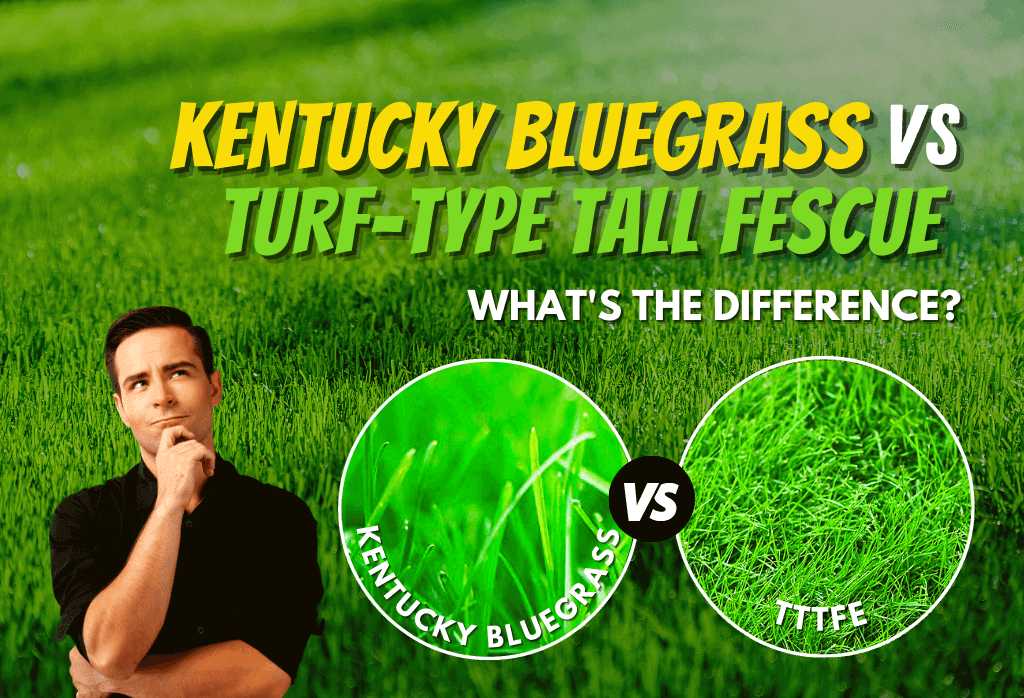
For a lush, green lawn, choosing between Kentucky bluegrass and tall fescue depends on your climate and lawn needs. Kentucky bluegrass offers a dense, soft carpet perfect for cooler regions and recreational spaces, while tall fescue is more drought-tolerant and hardy, making it ideal for warmer, less maintained areas. Overall, Kentucky bluegrass tends to produce a more jewel-like appearance, but tall fescue’s resilience makes it a practical choice for low-maintenance yards.
In brief, Kentucky bluegrass is best for aesthetic appeal and cooler climates, while tall fescue provides durability and drought resistance in warmer environments. Your choice should align with your local weather, maintenance preferences, and lawn use.
When it comes to selecting the perfect grass for your yard, the decision often boils down to understanding the unique qualities of Kentucky bluegrass and tall fescue. Both grasses have their strengths and suit different environments, but which one truly stands out? This choice can significantly influence your lawn’s appearance, durability, and ease of maintenance. If you’re unsure whether to go for the lush, velvet-like texture of Kentucky bluegrass or the hardy, drought-tolerant nature of tall fescue, keep reading. We’ll dive into their differences, benefits, and ideal growing conditions so you can make an informed decision that keeps your lawn looking fantastic all year round.

Which is better, Kentucky bluegrass or tall fescue?
Introduction to Kentucky Bluegrass and Tall Fescue
Kentucky bluegrass and tall fescue are two popular choices for lawn grasses. They each have unique qualities that make them suited to different conditions and preferences. Understanding their differences helps homeowners choose the best fit for their yards.
Native Regions and Climate Compatibility
Kentucky bluegrass is native to the cool, humid regions of North America. It thrives in areas with moderate temperatures and consistent moisture. Tall fescue, however, is more adaptable to a variety of climates, including warmer and drier environments. It is often found in the southern United States due to its drought tolerance.
Growth Habits and Appearance
Kentucky bluegrass features fine, lush blades with a dense, carpet-like growth. Its rich green color creates a classic lawn look. Tall fescue has coarser blades and a more upright growth pattern. It appears slightly less dense but offers a natural, hardy look.
Maintenance Needs and Fertilization
Kentucky bluegrass requires regular watering, especially during dry periods, to maintain its vibrant color and density. It also needs frequent mowing and fertilization to stay healthy. Tall fescue is more tolerant of drought and less demanding in watering schedules, which can lower maintenance efforts. It also benefits from periodic fertilization but is generally less upkeep-intensive.
Shade Tolerance and Sunlight Requirements
For shaded areas, Kentucky bluegrass performs quite well and can handle some degree of shade. It maintains a lush appearance in partial shade conditions. Tall fescue is highly tolerant of shade as well, making it a preferred choice for yards with large trees or shaded spots. Both grasses can adapt to different sunlight conditions but require proper care for optimal growth.
Disease and Pest Resistance
Kentucky bluegrass is susceptible to certain diseases such as dollar spot and leaf spot if not properly managed. It is also vulnerable to pests like white grubs. Tall fescue has better resistance to environmental stresses and pests, making it a more resilient option in challenging conditions. Its deep root system provides an advantage in drought and soil compaction scenarios.
Wear Tolerance and Use Cases
Tall fescue is known for its ability to withstand heavy foot traffic and wear, making it ideal for lawns with children and pets. Kentucky bluegrass, while resilient, can become patchy under stress but recovers quickly with proper care. Both grasses are suitable for residential lawns, but tall fescue’s durability favors high-traffic areas.
Watering and Drought Resistance
If water conservation is a priority, tall fescue offers significant benefits. Its deep roots allow it to access moisture deep in the soil, reducing the need for frequent watering. Kentucky bluegrass needs more consistent moisture to stay lush and vibrant, which can increase water bills and effort.
Soil Adaptability and Preparation
Kentucky bluegrass prefers well-drained, fertile soil with good organic matter. It responds well to soil amendments. Tall fescue can tolerate a wider range of soil types, including poorer or compacted soils. It often requires less soil preparation and can even improve soil health over time.
Cost and Establishment
Establishing a Kentucky bluegrass lawn can be more expensive due to higher seed costs and intensive care needs during establishment. Tall fescue is generally more affordable and easier to establish, especially in large areas. Its rapid growth can help quickly create a durable lawn surface.
Environmental Impact and Sustainability
Tall fescue is often viewed as more environmentally friendly due to its drought tolerance and lower water requirements. It also requires fewer chemical inputs for pest and disease control. Kentucky bluegrass may need more fertilization and watering, which can impact sustainability efforts.
Choosing the Best for Your Yard
The decision between Kentucky bluegrass and tall fescue depends on several factors. Consider your climate, soil, watering habits, and lawn use when choosing. Both grasses can provide a beautiful yard if properly managed, but one may suit your specific conditions better.
Summary Table: Kentucky Bluegrass vs Tall Fescue
| Feature | Kentucky Bluegrass | Tall Fescue |
|---|---|---|
| Climate Preference | Cool, humid regions | Varies, adaptable to warmer areas |
| Growth Pattern | Fine blades, dense turf | Coarse blades, upright growth |
| Maintenance | High, regular watering and fertilizing | Lower, drought tolerant |
| Shade Tolerance | Moderate to good | High |
| Wear Tolerance | Good, but less durable under heavy use | Excellent for high traffic areas |
| Drought Resistance | Moderate, needs regular watering | High, deep roots access moisture |
| Soil Tolerance | Prefers fertile, well-drained soil | Adapts to poorer soils |
| Cost | Higher due to seed and care needs | More affordable and easier to establish |
Choosing between Kentucky bluegrass and tall fescue depends on your specific lawn needs and environmental conditions. Kentucky bluegrass offers a lush, traditional look but requires more attention. Tall fescue provides durability and lower maintenance, making it ideal for busy homeowners. Both grasses can create a healthy, attractive lawn if selected carefully for your location.
Kentucky Bluegrass vs. Tall Fescue
Frequently Asked Questions
How does drought tolerance compare between Kentucky bluegrass and tall fescue?
Tall fescue generally withstands drought conditions better than Kentucky bluegrass due to its deep root system and adaptive nature. While Kentucky bluegrass requires frequent watering to stay green in dry periods, tall fescue can survive with less water and still maintain a healthy appearance. This makes tall fescue a suitable choice for areas prone to drought or water restrictions.
Which grass type recovers faster after heavy foot traffic?
Both grasses recover differently, but tall fescue tends to bounce back more quickly after heavy use. Its stronger root system and dense growth pattern allow it to withstand wear and tear more effectively. Kentucky bluegrass, while attractive and lush, may take longer to recover from heavy foot traffic, especially if compacted or damaged.
What are the maintenance requirements for Kentucky bluegrass versus tall fescue?
Kentucky bluegrass typically needs regular watering, fertilization, and overseeding to stay healthy and vibrant. It also requires frequent mowing and aeration. Tall fescue, on the other hand, has lower maintenance needs; it is more tolerant of drought and can grow well with less frequent watering and fertilization. These differences can influence your choice based on how much time and effort you want to dedicate to lawn care.
In terms of adaptability to different soil types, which grass performs better?
Tall fescue adapts more easily to a wider range of soil conditions, including poor or compacted soils. It establishes quickly and thrives in various environments. Kentucky bluegrass prefers well-drained, fertile soils and may struggle in less optimal conditions. If your soil quality varies, tall fescue can be a more versatile option.
How do climate preferences influence the selection between Kentucky bluegrass and tall fescue?
Kentucky bluegrass favors cooler, temperate climates and performs best in regions with moderate summers. Tall fescue handles heat and humidity better, making it suitable for warmer climates. Consider your local climate when choosing between these grasses to ensure a healthy, sustainable lawn year-round.
Final Thoughts
Kentucky bluegrass offers a fine texture and dense coverage, thriving in cooler climates. Tall fescue resists drought and adapts well to a variety of soil types and weather conditions.
Both grasses have unique benefits, but their suitability depends on your local environment and maintenance preferences.
Which is better, Kentucky bluegrass or tall fescue? The choice hinges on your specific needs and climate.