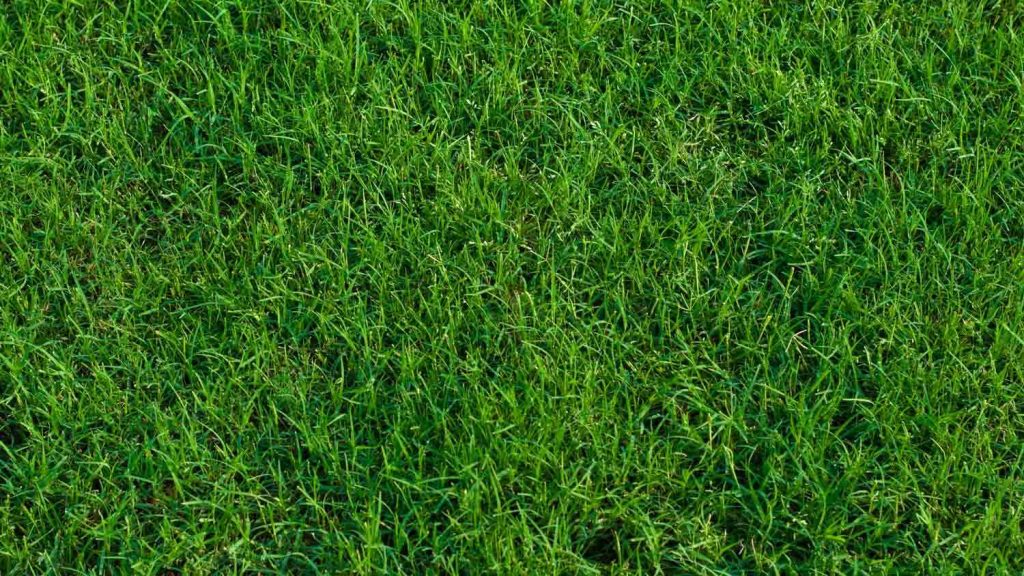
Bermuda grass generally outperforms Bahia grass in durability and suitability for high-traffic areas, making it a popular choice for lawns and sports fields. However, Bahia grass offers better drought tolerance and lower maintenance needs, especially in warmer climates.
For most homeowners and landscapers, Bermuda grass is often the better option due to its lush appearance and resilience, but Bahia is ideal for those seeking a hardy, low-maintenance lawn in dry conditions. Choosing between them depends on local climate, usage preferences, and maintenance capacity.
When deciding whether Bermuda or Bahia grass is better, consider your climate, water availability, and how much effort you’re willing to put into lawn care. Bermuda grass thrives in warm, sunny environments and can handle frequent foot traffic, making it perfect for active families and sports areas. Bahia grass, on the other hand, is well-suited for areas prone to drought, requiring less water and fertilizer, though it may not be as lush or dense as Bermuda. Understanding these differences helps you pick the right turf to match your yard’s conditions and your lifestyle.

Which is Better Bermuda or Bahia Grass? A Detailed Comparison
Introduction to Bermuda and Bahia Grass
Bermuda grass and Bahia grass are two popular choices for lawns in warm climates. Both grasses grow well in sunny areas and are used widely in residential lawns, sports fields, and parks. Understanding their differences helps homeowners choose the best grass for their yard.
Appearance and Texture
Bermuda grass has a fine to medium leaf texture and creates a dense, lush green carpet. It feels soft underfoot and has a smooth appearance. Bahia grass, on the other hand, has a coarser texture and produces a thicker, more rugged look that is less soft but very resilient.
Color Differences
Bermuda grass typically exhibits a brighter, vibrant green shade. Bahia grass tends to have a more muted green tone, which can look attractive but less striking. The color impact depends on how well each grass is maintained and fertilized.
Growth Habit
Bermuda grass grows in dense, mat-like formations with fine blades. It spreads quickly via runners and rhizomes. Bahia grass grows in bunches with thicker stems and spreads more slowly, mainly through seed production.
Climate and Soil Compatibility
Both grasses thrive in warm, sunny climates, but they have different soil preferences.
Bermuda Grass
Bermuda prefers well-drained soils with slightly acidic to neutral pH levels. It tolerates drought well but prefers moderate watering. Bermuda can withstand high temperatures and is quite resistant to drought.
Bahia Grass
Bahia grass adapts better to sandy, nutrient-poor soils. It is more tolerant of alkaline pH and can handle poor drainage. Bahia is well-suited for areas with less consistent watering and can survive in tougher soil conditions.
Watering Needs and Drought Tolerance
Water requirements differ between Bermuda and Bahia grasses.
Bermuda Grass
Requires regular watering to stay green, especially during the growing season. However, Bermuda is highly drought-tolerant once established and can survive periods without water by turning brown.
Bahia Grass
Needs less water overall. It is more drought-tolerant and can survive longer dry spells without significant stress or brown patches.
Maintenance and Mowing
Keeping a lawn healthy involves proper mowing and maintenance practices.
Bermuda Grass
Mows well at heights between 1 and 2 inches. Regular mowing promotes dense growth and prevents thatch buildup. It may need frequent edging as it spreads quickly.
Bahia Grass
Prefers a mowing height of 2 to 4 inches. It generally requires less frequent mowing due to slower growth. Bahia’s coarse texture means it doesn’t need as much trimming to look tidy.
Shade Tolerance and Sunlight Preference
Full sun is essential for both grasses, but differences exist in their shade tolerance.
Bermuda Grass
Loves full sun and struggles to grow in shaded areas. It can decline or thin out if shaded for too long.
Bahia Grass
Tolerates partial shade better than Bermuda. It remains fairly vigorous even in spotty sunlight, making it suitable for yards with trees or shaded spots.
Disease and Pest Resistance
Both grasses face challenges from pests and diseases, but their resistance levels differ.
Bermuda Grass
Prone to some fungal diseases like dollar spot and brown patch. It can also be affected by pests such as armyworms and grubs.
Bahia Grass
Generally resistant to many pests and diseases. Its coarse texture and tough roots help it withstand common lawn problems better than Bermuda.
Wear Tolerance and Usability for Activities
Lawn activity types determine which grass is better suited.
Bermuda Grass
Ideal for sports fields, golf courses, and high-traffic yards. Its dense growth handles foot traffic well and recovers quickly from damage.
Bahia Grass
Better for low-traffic lawns, parks, and areas where heavy activity is less frequent. It can tolerate some wear but isn’t as resilient as Bermuda under constant heavy use.
Cost and Establishment Time
Initial costs and time to establish a healthy lawn vary.
Bermuda Grass
Usually more expensive to seed or sod due to higher demand. It establishes quickly, often in 2 to 3 weeks, making it a popular choice for instant lawns.
Bahia Grass
Less costly and slower to establish, taking up to 4 to 6 weeks before it looks full and lush. It’s often propagated through seed rather than sod.
Environmental Impact and Sustainability
Both grasses have different impacts on the environment.
Bermuda Grass
Requires more fertilizers and pesticides to maintain its lush appearance. Its high water demand can be an environmental concern in dry regions.
Bahia Grass
More eco-friendly due to lower water and chemical needs. Its drought tolerance also helps conserve water resources.
Summary Table: Bermuda vs. Bahia Grass
| Feature | Bermuda Grass | Bahia Grass |
|---|---|---|
| Appearance | Fine, dense, bright green | Coarse, thicker, muted green |
| Climate Suitability | Warm, well-drained soils | Sandy, poor soils, drought-prone areas |
| Water Needs | Moderate, drought-tolerant after establishment | Low, highly drought-tolerant |
| Maintenance | Frequent mowing, edging, fertilizing | Lower mowing frequency, less fertilization |
| Shade Tolerance | Low, full sun only | Moderate, partial shade tolerated |
| Pest and Disease Resistance | Moderate, susceptible to fungi and pests | High, resistant to pests and diseases |
| Wear Tolerance | High, suitable for sports and high traffic | Moderate, suitable for low to medium traffic |
| Cost and Establishment | Higher cost, quick establishment | Lower cost, slower to establish |
| Environmental Impact | Higher water and chemical use | Lower impact, eco-friendlier |
Final Thoughts on Which Grass is Better
Choosing between Bermuda and Bahia grass depends on your yard’s needs. If you want a lush, fast-growing lawn for high-traffic areas, Bermuda grass is a good choice. For drought-prone locations or low-maintenance lawns, Bahia grass offers better sustainability.
Both grasses have their strengths and weaknesses. Carefully consider your climate, soil, and lawn usage to decide which grass fits your lifestyle best. With proper care, either grass can create a beautiful, healthy outdoor space.
Best grass for Florida!
Frequently Asked Questions
How do the maintenance needs of Bermuda and Bahia grasses compare?
Bermuda grass generally requires regular mowing, fertilization, and watering to stay healthy, especially in warmer climates. Bahia grass, on the other hand, is known for its drought tolerance and lower maintenance needs. It can thrive with less frequent watering and mowing, making it suitable for areas where low upkeep is essential.
Which grass type performs better in shaded areas?
Both Bermuda and Bahia grasses prefer full sunlight for optimal growth. Bermuda grass struggles in shaded spots and may thin out or die back, while Bahia grass tends to tolerate partial shade better. If your lawn has significant shaded areas, Bahia grass offers a better option for consistent coverage.
How do these grasses handle foot traffic and recreational use?
Bermuda grass offers excellent durability and recovers quickly from damage, making it suitable for high-traffic zones and sports fields. Bahia grass is more tolerant of heavy use but recovers at a slower pace. For heavily trafficked lawns, Bermuda typically outperforms Bahia in resilience and recovery speed.
What are the water requirements for Bermuda versus Bahia grass?
Bermuda grass needs moderate to high watering, especially during establishment and hot summer periods, to maintain its lush appearance. Bahia grass requires considerably less water once established, making it a smart choice for regions where water conservation is a priority.
Which grass is better suited for poor soil conditions?
Bahia grass adapts well to poor, sandy soils and can establish itself with minimal fertilization. Bermuda grass prefers more fertile soils for vigorous growth but can struggle in poor soil conditions without proper amendments. For challenging soil environments, Bahia grass presents a more reliable option.
Final Thoughts
Bermuda grass thrives in warm climates and offers excellent drought resistance, making it popular for sports fields and lawns. Bahia grass, on the other hand, tolerates poor soil quality and requires less maintenance, ideal for low-cost landscaping.
When choosing between the two, consider your climate and maintenance preferences.
which is better bermuda or bahia grass depends on specific needs; Bermuda suits active, high-use areas, while Bahia fits low-maintenance, resilient lawns.