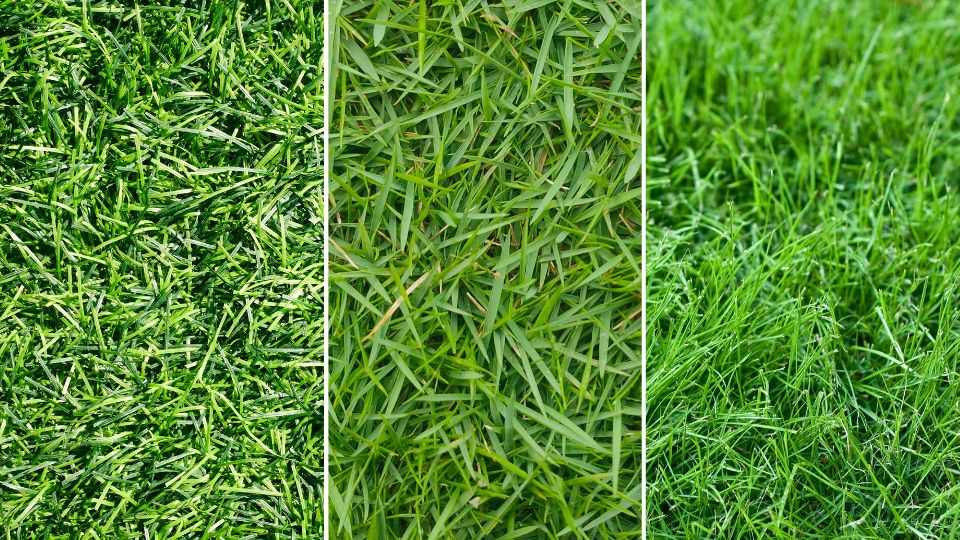
Bermuda grass generally outperforms fescue when it comes to heat tolerance, drought resistance, and maintaining a lush appearance in warm climates. However, fescue offers better shade tolerance and cooler weather growth, making it ideal for northern regions. The best choice depends on your local climate, soil, and lawn maintenance preferences.
In summary, if you live in warmer, sunnier areas, Bermuda is likely the superior option due to its resilience to heat and drought. Conversely, if your yard is shaded or experiences cooler weather, fescue may be the better choice for a healthy, green lawn.
Choosing between Bermuda and fescue isn’t just about aesthetics; it’s about matching the grass to your environment and lifestyle. Bermuda grass thrives in hot, sunny conditions and requires regular mowing and watering, making it perfect for busy homeowners who want a durable, attractive lawn. Fescue, with its deep roots and cool-weather adaptability, is ideal for cooler climates and shaded areas, providing a soft, lush feel. Both grasses have unique qualities, so understanding your local climate and lawn care habits will help you make the right decision for a thriving, beautiful yard.

Which grass is better, bermuda or fescue?
Introduction to Bermuda and Fescue
Bermuda grass and fescue grass are two popular choices for lawns across different regions. Each grass type has unique qualities that make it suitable for specific climates and uses. Knowing the differences can help homeowners choose the right grass for their yard.
Climate Suitability and Growing Conditions
Bermuda Grass
Bermuda grass thrives in warm, sunny areas and performs best in temperatures above 75°F. It loves full sunlight and requires at least 6 to 8 hours of direct sun daily. Bermuda is very heat-tolerant and can handle drought conditions better than many grasses.
Fescue Grass
Fescue prefers cooler climates and grows well in temperatures between 60°F and 75°F. It often does better in shaded areas and can tolerate some drought but generally prefers regular watering. Fescue is common in northern regions with cold winters.
Maintenance and Care
Bermuda Grass Maintenance
Bermuda needs regular mowing at a height of 1 to 1.5 inches to keep it healthy and dense. It benefits from annual fertilization with nitrogen to promote lush growth. Bermuda is resistant to pests and disease but requires more water during the hot months.
Fescue Maintenance
Fescue is easier to maintain in terms of mowing, needing to be cut at 2 to 3 inches. It requires less fertilization, usually once or twice a year. Fescue also needs consistent watering but is more tolerant of cooler temperatures and shaded areas.
Durability and Wear Tolerance
Bermuda’s Durability
Bermuda grass is very durable and can withstand heavy foot traffic. Its dense root system helps it recover quickly from damage. This makes Bermuda an excellent choice for sports fields, playgrounds, and high-traffic lawns.
Fescue’s Durability
Fescue is less tolerant to heavy foot traffic and can develop bare patches over time. It’s better suited for areas that are not frequently used for active play. Nevertheless, it remains a good choice for ornamental yards and shaded spots.
Appearance and Texture
Bermuda Grass Look and Feel
Bermuda grass has a fine to medium texture with a dense, carpet-like appearance. It tends to be bright green in the summer but can turn brown in winter in cooler climates. Its fine blades give a smooth and uniform look.
Fescue Grass Look and Feel
Fescue has a coarser texture with a bluish-green hue. It maintains its color longer into the cooler months, providing an attractive lawn year-round in appropriate climates. Its softer blades are comfortable underfoot and visually appealing.
Water and Fertilizer Needs
Bermuda Water and Fertilizer Requirements
Bermuda needs moderate to high watering, especially during hot summer months, to stay lush. Fertilization should be done regularly, focusing on high nitrogen to promote growth. Proper watering and fertilizing support its drought resistance.
Fescue Water and Fertilizer Needs
Fescue requires less water than Bermuda once established but needs consistent moisture, especially during drought periods. Fertilization can be less frequent, making it easier for homeowners to care for in cooler climates.
Limitations and Challenges
Bermuda Challenges
Despite its durability, Bermuda can invade flower beds or shaded areas where it does not grow well. It also goes dormant and turns brown in winter in cooler regions, requiring overseeding if a green lawn is desired year-round.
Fescue Challenges
Fescue struggles in hot, dry summers, often turning brown and going dormant. It is prone to diseases like fungus in overly humid or poorly drained soils. It also requires regular watering to stay green and healthy.
Cost and Availability
Bermuda Grass Cost
Bermuda sod or seed can be affordable and readily available in warmer regions. The cost varies depending on the quality and quantity needed. Establishing Bermuda can be quick, reducing long-term maintenance costs.
Fescue Grass Cost
Fescue seed is often inexpensive and easy to find in northern regions. Overseeding is common in cooler climates, and initial costs are relatively low. Maintenance costs can be higher if regular watering and fertilization are needed.
Environmental Impact and Sustainability
Bermuda and Sustainability
Bermuda’s drought tolerance and low fertilizer requirements make it environmentally friendly in suitable climates. Its ability to handle heat reduces water use and the need for chemical inputs.
Fescue and Sustainability
Fescue’s adaptability to shaded and cooler environments can reduce water and fertilizer needs in those regions. However, its need for regular watering in dry periods can impact water resources.
Summary Comparison Table
| Feature | Bermuda Grass | Fescue Grass |
|---|---|---|
| Climate Preference | Warm, sunny | Cool, shaded |
| Mowing Height | 1 to 1.5 inches | 2 to 3 inches |
| Water Needs | Moderate to high | Moderate, less in cooler months |
| Fertilizer | Frequent, high nitrogen | Simpler, infrequent |
| Durability | Very durable, high traffic | Less durable, light traffic |
| Appearance | Fine texture, bright green | Coarser, bluish-green |
Making the Right Choice
Choosing between Bermuda and fescue depends on your climate, lawn use, and maintenance willingness. Bermuda is best in warm, sunny areas needing a hardy, low-maintenance lawn. Fescue suits cooler, shaded regions where a softer, greener look is preferred.
Additional Related Topics
Interested in lawn care tips or outdoor landscaping ideas? Consider exploring topics like pest control for lawns, seeding vs. sodding, and how to prepare your soil for either Bermuda or fescue to achieve the best results.
Having this in-depth understanding of Bermuda and fescue grasses will assist you in making an informed decision suited to your specific needs and environment, ensuring your yard stays healthy and beautiful.
Sun & Shade – Bermuda – Fescue | Grass Comparison
Frequently Asked Questions
What are the ideal growing conditions for bermuda grass compared to fescue?
Bermuda grass thrives in warm climates with full sun and thrives at temperatures between 75°F and 95°F. It prefers well-drained soil and is highly drought-tolerant once established. Fescue, on the other hand, does well in cooler temperatures and can tolerate shade better than bermuda. It prefers moist, fertile soil and is often chosen for regions with cooler summers. Understanding these differences helps determine which grass better suits your local climate and soil conditions.
How does maintenance differ between bermuda and fescue lawns?
Bermuda grass requires regular mowing at heights between 1 and 2 inches, frequent watering, and periodic fertilization to maintain its density and color. It also benefits from aeration to prevent soil compaction. In contrast, fescue needs less mowing, typically at 2.5 to 4 inches, and prefers consistent moisture levels. Fescue lawns should be fertilized in the fall and spring and may need overseeding to maintain lushness. Overall, bermuda tends to need more active management, especially during the growing season.
Which grass type offers better resistance to pests and diseases?
Bermuda grass generally has good resistance to pests like chinch bugs and disease issues such as brown patch, particularly in warm conditions. Fescue, however, can be more susceptible to fungal diseases like rust and dollar spot, especially in high-humidity environments. Selecting the right seed variety and following proper lawn care practices significantly enhance disease resistance for both types.
Can bermuda or fescue withstand heavy foot traffic better?
Bermuda grass stands out for its durability and ability to handle frequent foot traffic, making it suitable for active lawns and sports fields. It quickly recovers from damage due to its vigorous growth habit. Fescue is generally more delicate and may suffer wear and tear under heavy use, often requiring overseeding or additional care to maintain its appearance. For high-traffic areas, bermuda usually offers a more resilient option.
Which grass type adapts better to shade and varying sunlight conditions?
Fescue adapts more effectively to shaded areas and regions with less direct sunlight, thanks to its tolerance for lower light levels. Bermuda grass prefers full sun exposure and can struggle to grow in shaded spots. If your yard has significant shaded sections, planting fescue provides a better chance for a healthy, lush lawn, while bermuda performs best in open, sunlit spaces.
Final Thoughts
Bermuda grass thrives in warm climates and offers dense, resilient coverage. It requires regular mowing and full sun but recovers quickly from wear.
Fescue grass handles cooler temperatures well and stays green in shaded areas. It needs less frequent watering and is more tolerant of partial sunlight.
Which grass is better, bermuda or fescue? The choice depends on your climate and yard conditions. Both grasses offer unique benefits, so consider your specific needs to select the best for your lawn.