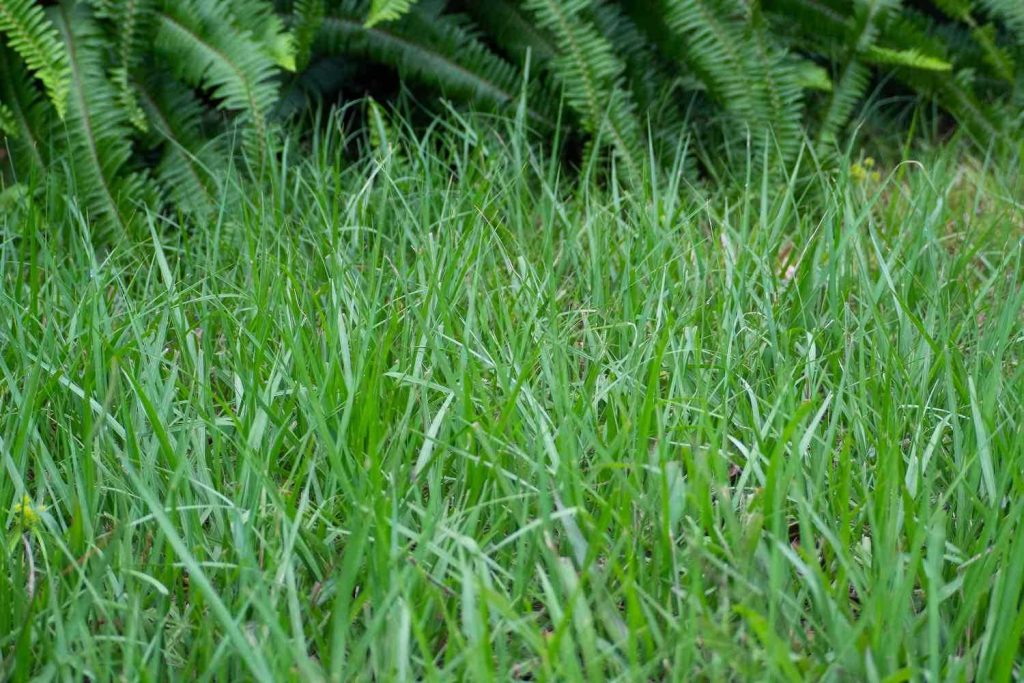
Bahia grass is a popular choice for lawns and pastures because of its resilience and lush appearance. If you’re wondering where this vibrant, drought-tolerant grass thrives, you’re in the right place! Bahia grass primarily grows in warm, sunny climates and is commonly found in the southeastern United States, especially in Florida, Texas, and the Gulf Coast. It also flourishes in tropical and subtropical regions around the world. This hardy grass prefers well-drained soils and can adapt to a variety of soil types, making it a versatile option for many outdoor spaces.
In short, Bahia grass grows mainly in warm, sunny areas such as the southeastern U.S., Central America, and parts of South America. It thrives in tropical and subtropical environments and is well-suited to areas with hot summers and mild winters. Understanding where Bahia grass naturally thrives can help you decide if it’s the right grass for your landscape.

Where Does Bahia Grass Grow?
Introduction to Bahia Grass
Bahia grass, also known as *Paspalum notatum*, is a warm-season perennial grass. It is highly regarded for its ability to thrive in hot climates and poor soils. This grass is commonly used for lawns, pastures, and golf courses because of its durability and low maintenance needs. Understanding where Bahia grass grows best helps gardeners and farmers make informed decisions about planting it.
Natural Habitat of Bahia Grass
Bahia grass naturally grows in tropical and subtropical regions. It is native to South America, particularly Brazil and Argentina, where the climate is warm and humid. In these natural habitats, Bahia grass thrives under full sunlight with minimal water requirements. Its native environment offers clues about the conditions it prefers in new locations.
Climatic Conditions Favorable for Bahia Grass
Bahia grass prefers warm temperatures ranging from 75°F to 95°F (24°C to 35°C). It can tolerate high temperatures without suffering damage. However, it is sensitive to frost and cold weather, which limits its growth in cooler regions. Because of this, Bahia grass grows best in USDA hardiness zones 8 through 11.
Temperature Tolerance
- Optimal growth occurs in temperatures between 85°F and 95°F (29°C to 35°C).
- It can survive in temperatures as low as 20°F (-6°C), but growth slows significantly.
- Frost can damage or kill Bahia grass, so it must be planted in frost-free seasons in cooler zones.
Rainfall and Water Needs
Bahia grass requires about 30 to 50 inches of annual rainfall or supplemental irrigation. It is drought-tolerant once established, but consistent moisture promotes denser, greener lawns. Well-drained soils help prevent root rot and other water-related issues.
Soil Conditions for Optimal Growth
The soil type plays a crucial role in the success of Bahia grass. It prefers well-drained, sandy, or loamy soils with a pH level between 5.0 and 6.5. Though adaptable to various soil types, poor drainage can lead to root diseases, so proper soil preparation is essential.
Soil pH and Fertility
Bahia grass can tolerate slightly acidic to neutral soils. It benefits from fertilization, especially nitrogen, to maintain lush growth. The soil should be rich in organic matter for the best results, but it can adapt to poorer soils with proper care.
Soil Drainage and Aeration
- Good drainage prevents waterlogging and root rot.
- Loamy soils provide better aeration and support healthy root development.
- Adding organic matter can improve soil structure and moisture retention.
Geographical Regions Where Bahia Grass Grows
Bahia grass is commonly found in regions with warm climates that match its native habitat. It is cultivated extensively in the southern United States, particularly in Florida, Texas, and southern California. These areas provide the ideal climate and soil conditions for Bahia grass to thrive.
United States
In the US, Bahia grass is popular for its use in lawns and pastures. It grows well in states with tropical and subtropical climates, especially in USDA zones 8 through 11. It is also used in roadside landscaping and golf course fairways.
South America
As the native region, South America offers ideal growing conditions. Bahia grass grows abundantly in Brazil, Argentina, and Uruguay, adapting easily to local soil and climate.
Africa and the Caribbean
In tropical African countries and Caribbean islands, Bahia grass grows naturally and is cultivated for pasture and turf purposes. Its drought tolerance and adaptability make it suitable for these regions’ climate conditions.
Common Challenges in Bahia Grass Cultivation
While Bahia grass is hardy, certain conditions can hinder its growth. Understanding these challenges helps in better management and successful cultivation.
Pest and Disease Issues
Common pests like mole crickets, grasshoppers, and certain beetles may damage Bahia grass. Fungal diseases such as root rot can occur in poorly drained soils. Regular inspection and proper watering help prevent these issues.
Soil Salinity and Nutrient Deficiencies
High soil salinity can inhibit growth, so Bahia grass prefers low to moderate salt levels. Nutrient deficiencies, particularly nitrogen, can cause yellowing and poor vigor. Fertilize appropriately to maintain a healthy, lush lawn.
Environmental Stresses
Extreme cold and frost are major limitations in cooler zones. Additionally, drought stress can cause browning and decline in health if watering is insufficient. Proper irrigation and choosing the right planting site mitigate these stresses.
Best Practices for Growing Bahia Grass
Successful cultivation involves selecting the right location, preparing the soil properly, and providing appropriate maintenance.
Site Selection
Choose a location with full sun exposure, at least 6 to 8 hours daily. Avoid shady areas that can reduce growth and lead to thin, patchy lawns. Ensure the site has good drainage and minimal competition from weeds.
Soil Preparation
Test the soil to determine pH and nutrient levels before planting. Amend soil with organic matter or fertilizers as needed. Loosen the soil and remove weeds to give Bahia grass a clean start.
Planting and Establishment
Bahia grass can be established through seeds, sod, or plugs. Seeds should be sown in late spring when the soil warms. Keep the soil consistently moist until the grass is well rooted.
Maintenance Tips
Regular mowing at heights around 2 to 3 inches encourages dense growth. Fertilize based on soil test results, typically every 6 to 8 weeks during the growing season. Water deeply but infrequently to promote deep rooting.
Related Topics: Extending Bahia Grass Growth
- Using Bahia grass for erosion control
- Incorporating Bahia grass into pasture systems
- Comparing Bahia grass with other warm-season grasses like Bermuda or St. Augustine
Bahia grass thrives in warm, sunny regions with well-drained soils and moderate rainfall. Its adaptability to poor soils and drought tolerance make it a popular choice for lawns, pastures, and landscapes in tropical and subtropical zones. Proper site selection, soil preparation, and maintenance are essential to grow Bahia grass successfully. By understanding its preferred environment and the conditions it tolerates, growers can enjoy a resilient and vibrant turf in the right climate zones.
How To Care For A Bahia Grass Lawn Part 1
Frequently Asked Questions
What regions are suitable for planting Bahia grass?
Bahia grass thrives in warm, sunny climates with temperatures typically ranging from 75°F to 95°F. It prefers regions with mild winters and well-drained soils. This grass is commonly grown in the southern United States, particularly in states like Florida, Texas, and parts of the southeastern coast. Adequate sunlight and moderate rainfall support healthy growth, making these areas ideal for Bahia grass cultivation.
Can Bahia grass grow in areas with clay soil?
Yes, Bahia grass can adapt to clay soils, but it might require some soil preparation to improve drainage. Clay soils tend to retain water, which can lead to root rot if drainage is poor. To promote healthy growth, improve soil structure by incorporating organic matter or sand to enhance permeability. Proper fertilization and regular watering during establishment help Bahia grass establish strong roots in these conditions.
Is Bahia grass suitable for regions with drought conditions?
Bahia grass performs well in drought-prone areas due to its drought tolerance. Once established, it requires less water compared to other turfgrasses. It develops deep root systems that enable it to access water from lower soil layers, maintaining its health during dry spells. However, young Bahia grass fields need consistent watering initially until they are well-established.
During which seasons does Bahia grass grow best?
Bahia grass grows best during warm seasons, particularly in late spring and summer when temperatures are consistently high. It enters a period of dormancy during cooler months, typically in winter, especially in regions with mild winters. In areas with year-round warmth, Bahia grass can grow continuously, providing a lush ground cover throughout the year.
Are there specific environments where Bahia grass struggles to grow?
Bahia grass may struggle to grow in areas with cold, prolonged winters or in shaded locations with limited sunlight. It prefers full sun exposure and well-drained soils. Heavy clay with poor drainage, excessively shady environments, or regions experiencing frost for extended periods can hinder its growth and persistence. Ensuring suitable sunlight and soil conditions helps Bahia grass thrive.
Final Thoughts
where does bahia grass grow? This grass thrives in warm, tropical, and subtropical regions. It adapts well to both coastal and inland areas with well-drained soils. Bahia grass is commonly found in the southeastern United States, Central America, and parts of South America. Its versatility and resilience make it a popular choice for lawns, pastures, and erosion control.