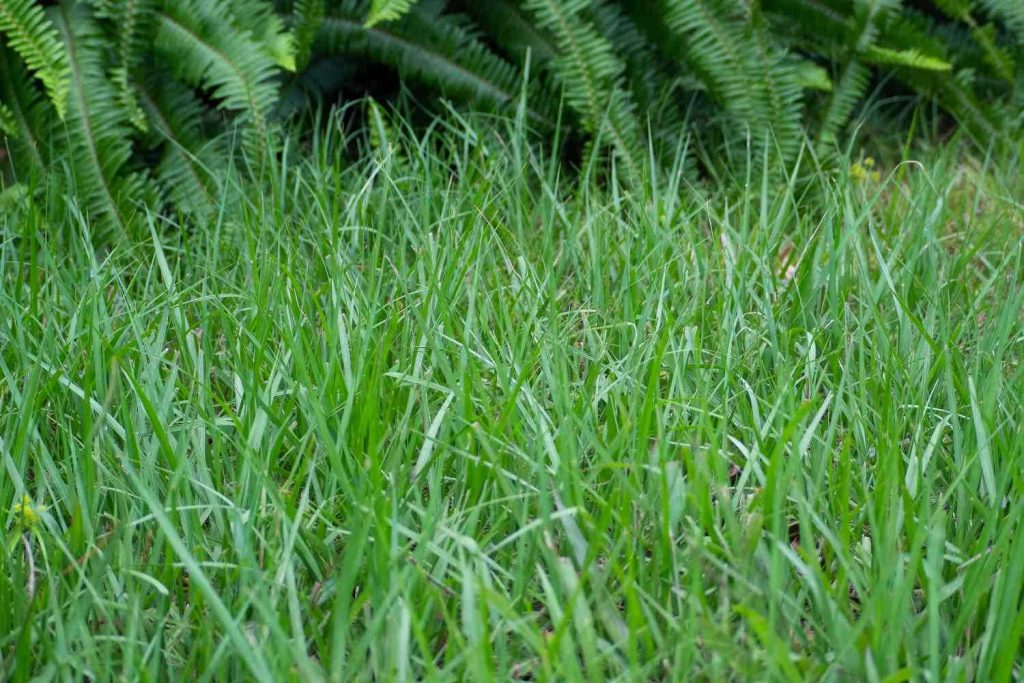
Bahia grass spreads quickly and efficiently, making it a popular choice for lawns and pastures, but it can also become invasive if not managed properly. Its primary methods of spreading include underground runners called stolons and root structures that send out new shoots, along with seed dispersal by wind and animals. These processes allow Bahia grass to rapidly cover large areas, outcompeting other plants and establishing a durable turf.
In short, Bahia grass primarily spreads through its stolons and roots that grow outward, creating new plants, while its seeds are blown by the wind or carried by animals. This combination of underground and seed dispersal mechanisms makes Bahia grass highly resilient and fast-spreading, ideal for quick ground coverage but requiring control in certain environments.
Bahia grass, also known as buffalo grass, is widely used for its drought tolerance and durable nature. Its ability to spread quickly through underground stolons and runners allows it to establish a dense turf in a short amount of time. The grass’s spreading method makes it excellent for erosion control and quick lawn repairs. It produces seeds that can be dispersed over long distances by wind and animals, further aiding its expansion. Understanding how Bahia grass propagates is essential for managing its growth and preventing it from invading unwanted areas. Whether you’re planting a new lawn or dealing with an invasive patch, knowing its spreading habits can help you control or promote its growth effectively.

How Does Bahia Grass Spread? An In-Depth Look at Its Growth and Propagation
Bahia grass is known for its tough and resilient nature, making it a popular choice for lawns, pastures, and sports fields. But how exactly does this grass spread and expand over an area? Understanding its growth processes can help you manage or encourage its spread effectively. Let’s explore the main ways Bahia grass propagates and the factors that influence its spreading patterns.
Root System and Rhizome Growth
Bahia grass mainly spreads through its root system, especially via rhizomes. Rhizomes are underground stems that grow horizontally beneath the soil surface. Each rhizome produces new shoots and roots, helping the grass form dense mats over time.
These rhizomes are hardy and can extend several inches each year, allowing the grass to colonize new areas rapidly. The underground expansion makes Bahia grass highly resilient, as it can regrow even if the above-ground parts are damaged.
Characteristics of Bahia Grass Rhizomes
- Grow horizontally beneath the soil
- Can extend up to 4 feet per year under ideal conditions
- Contain nodes that give rise to new shoots and roots
- Help the grass form a thick, interconnected root network
Seed Dispersal and Growth
While Bahia grass primarily spreads through rhizomes, it also reproduces via seeds. These small seeds are produced in flower spikes and can be dispersed by wind, animals, or human activities.
Seeds can remain dormant in the soil for months before germinating, especially during warm, moist conditions. Once they sprout, new shoots emerge and begin to establish themselves, contributing to the grass’s spread over an area.
Seed Dispersal Methods
- Wind carries lightweight seeds to new locations
- Animals, such as birds or livestock, transport seeds on their fur or hooves
- Human activities like mowing, planting, or moving soil spread seeds inadvertently
Environmental Factors That Influence Spread
Several environmental conditions impact the rate and extent of Bahia grass spread. These include soil type, moisture levels, temperature, and sunlight. Favorable conditions enhance rhizome growth and seed germination, accelerating spread.
Soil and Moisture Conditions
- Prefers well-drained soils with moderate fertility
- Requires consistent moisture for optimal growth
- Can tolerate drought but spreads more quickly with adequate water
Temperature and Sunlight
- Thrives in warm temperatures, typically between 80°F and 100°F
- Needs full sunlight to develop dense, healthy growth
- Less active during cold or shaded conditions, slowing spread
The Role of Maintenance and Management in Bahia Grass Spread
Proper lawn or pasture management can influence how Bahia grass spreads. Mowing, fertilizing, watering, and aeration all play roles in promoting or restricting its growth.
Promoting Spread
- Regular mowing encourages lateral growth and tillering
- Applying fertilizer boosts root and shoot development
- Maintaining consistent watering supports rhizome expansion
- Overseeding or planting Bahia grass in suitable areas encourages rapid colonization
Controlling Unwanted Spread
- Physical barriers can limit rhizome expansion
- Selective herbicides may reduce unwanted growth in specific areas
- Proper lawn maintenance prevents Bahia grass from overtaking other species
Comparison of Bahia Grass Spread with Other Grasses
| Feature | Bahia Grass | Bermuda Grass | Zoysia Grass |
|---|---|---|---|
| Main Propagation Method | Rhizomes and seeds | ||
| Spread Rate | Fast via rhizomes, moderate via seeds | ||
| Growth Habit | Clumping with spreading rhizomes | ||
| Ideal Conditions | Warm, sunny, well-drained soils | ||
| Management Complexity | Moderate; responds well to fertility and watering |
Summary of Factors Affecting Bahia Grass Spread
To summarize, Bahia grass spreads mainly through underground rhizomes and seed dispersal. Environmental factors such as soil quality, moisture, and temperature significantly influence the rate of spread. Proper management practices can either encourage rapid expansion or help control unwanted growth.
Final Thoughts on Bahia Grass Spread
Understanding how Bahia grass propagates helps in managing its growth efficiently. Whether you want to promote its spread for a lush pasture or limit its invasion in undesired areas, knowing these mechanisms allows you to take appropriate actions. Its resilient nature and ability to spread through rhizomes and seeds make Bahia grass a versatile but demanding species to manage properly.
How To Care For A Bahia Grass Lawn Part 1
Frequently Asked Questions
What methods does Bahia grass use to propagate itself?
Bahia grass primarily spreads through both seed dispersal and stolon growth. The grass produces seeds that are carried by wind, animals, or machinery, allowing it to establish in new areas. Additionally, it spreads via stolons—above-ground runners that root at nodes—enabling the grass to extend horizontally and create dense mats over time.
How do stolons contribute to the expansion of Bahia grass?
Stolons are horizontal stems that grow along the soil surface, producing roots at each node. These roots develop into new plants, which helps Bahia grass cover a wide area quickly. The ability of stolons to root and produce new shoots makes it an effective means for the grass to expand into surrounding spaces, especially in favorable conditions.
In what way does seed dispersal affect the growth of Bahia grass across a landscape?
Seeds from Bahia grass are dispersed by wind and animals, which deposit them at different locations. Once the seeds land in suitable soil, they germinate and grow into new plants. This process allows Bahia grass to colonize open spaces and fill gaps in existing grasslands, promoting its spread over larger areas.
Can environmental factors influence how Bahia grass spreads?
Yes, environmental conditions such as soil type, moisture levels, and climate significantly impact how quickly Bahia grass spreads. Well-drained soils and warm temperatures encourage vigorous growth and seed production. Adequate water availability supports stolon development, while disturbances like tilling or grazing can create open spaces that facilitate the grass’s expansion.
What role does human activity play in the distribution of Bahia grass?
Human activities, including landscaping, turf establishment, and equipment movement, can aid in the spread of Bahia grass. When soil is disturbed or grass fragments are moved from one location to another, they can root and establish in new areas. Proper management and controlled planting help regulate its spread, preventing unwanted colonization in undesired locations.
Final Thoughts
Bahia grass spreads primarily through stolons and rhizomes, allowing it to quickly cover large areas. These horizontal stems root easily in the soil, creating dense patches. Regular mowing and proper water management can influence its spread.
Understanding how does bahia grass spread helps in controlling its growth and maintaining your lawn. Proper care prevents it from becoming invasive, ensuring a healthy and balanced yard.