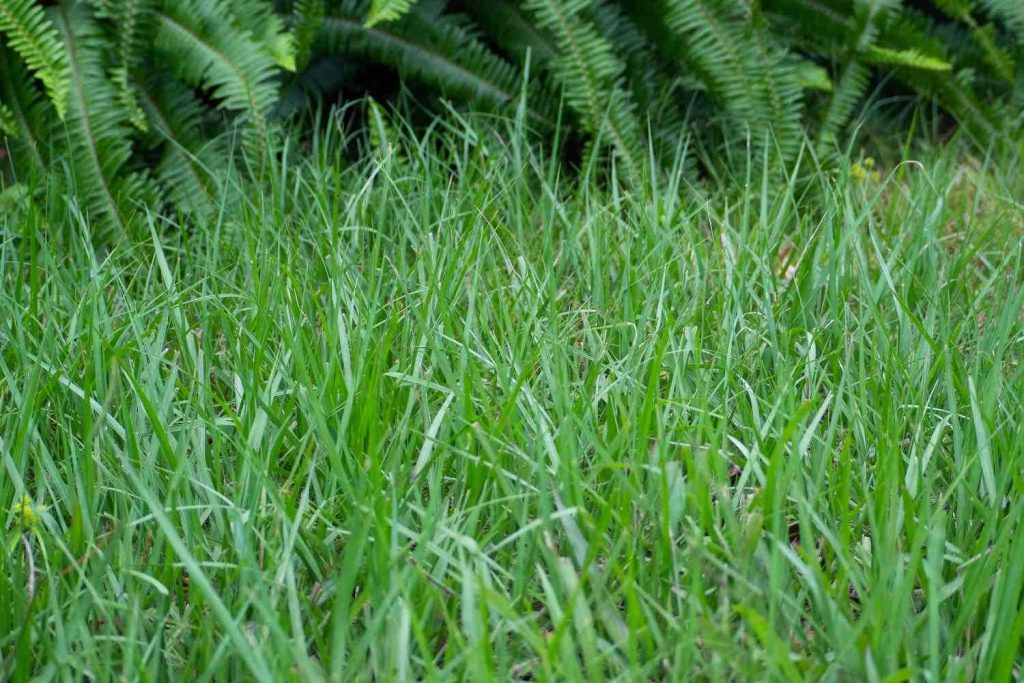
To plant Bahia grass successfully, start by choosing a sunny location with well-draining soil. Prepare the soil by clearing debris and loosening the topsoil, then spread Bahia grass seed evenly and water thoroughly. Keep the area consistently moist until the grass establishes, which typically takes a few weeks.
Planting Bahia grass is an easy way to create a lush, durable lawn or pasture that thrives in hot, dry climates. If you want quick, healthy growth, the key is selecting quality seed, preparing the soil properly, and providing regular moisture during the initial stages. Bahia grass is tolerant of drought and poor soil, making it a popular choice for homeowners and farmers alike. Whether you’re starting from seed or sod, understanding the right planting techniques will ensure a vibrant, low-maintenance lawn that stands up to the elements.

How Do You Plant Bahia Grass?
Understanding Bahia Grass and Its Benefits
Bahia grass is a warm-season, drought-tolerant grass that thrives in southern climates. It is popular for lawns, pastures, and sports fields because of its durability and low maintenance needs. Knowing its benefits helps you see why planting this grass can be a great choice for your yard or farm.
This grass offers excellent resistance to heat and drought, making it suitable for areas with irregular rainfall. Additionally, Bahia grass has deep roots that help prevent soil erosion and improve soil health over time. Its fine texture and lush green color make it visually appealing, adding to the aesthetic value of any outdoor space.
Selecting the Right Location for Bahia Grass
Before planting Bahia grass, choose a location with sufficient sunlight. Bahia grass needs at least six hours of direct sunlight each day to grow properly. Avoid shady areas or spots with poor drainage, as these can hinder its development.
Conduct a soil test to determine the pH level and soil nutrients. Bahia grass prefers a soil pH between 5.5 and 6.5, slightly acidic to neutral. If your soil is outside this range, consider amendments to adjust pH levels for optimal growth.
Preparing the Soil for Planting
Proper soil preparation is key to successful Bahia grass growth. Clear the area of weeds, debris, and old grass to create a clean planting bed. Loosen the soil using a rototiller or garden fork to a depth of about four inches, breaking up compacted areas.
Improve soil fertility by mixing in organic matter like compost or aged manure. This enhances nutrient content and moisture retention. Level the soil evenly to promote uniform seed distribution and prevent water runoff.
Choosing the Best Planting Method
There are two main methods for planting Bahia grass: seeding and sod installation. Seeding is more economical and suitable for large areas, while sod provides an instant lawn but costs more.
For seeding, purchase high-quality Bahia grass seed from a reputable supplier. For sod, select fresh, healthy plugs or rolled sod to ensure vigorous growth. Each method has specific steps to maximize success.
Planting Bahia Grass by Seeding
Start by spreading the seed evenly across the prepared soil. Use a seed spreader for uniform distribution, which helps prevent clumping and bare patches. Lightly rake the soil to incorporate the seed into the top inch of soil.
After seeding, gently water the area with a fine spray to keep the soil moist. Maintain this moisture level until the grass sprouts and establishes, typically within two to three weeks. Be careful not to wash away the seeds with heavy watering.
Planting Bahia Grass with Sod
Lay the sod pieces tightly together, avoiding gaps. Use a sharp knife or sod cutter to trim the edges for a perfect fit. Press each piece firmly into the soil to ensure good contact, which promotes root growth.
Water the sod thoroughly immediately after installation. Keep the soil consistently moist during the first two weeks to help the roots take hold. Avoid heavy foot traffic on new sod until it becomes well-established.
Watering and Maintenance After Planting
Proper watering is crucial for Bahia grass to develop a strong root system. During germination and early growth, keep the soil moist with light, frequent watering—about once or twice daily.
Once established, Bahia grass becomes drought-tolerant and requires less frequent watering. Deep watering every one to two weeks ensures deep root growth. Reduce watering during cooler months or rainy periods.
Fertilizing Bahia Grass for Optimal Growth
Apply a balanced fertilizer high in nitrogen to promote healthy, green foliage. Usually, a fertilizer with a ratio like 16-4-8 or similar works well. Apply fertilizer about four to six weeks after planting, then follow a regular schedule.
Avoid over-fertilizing, as this can cause thatch buildup and reduce drought tolerance. Use slow-release fertilizers to provide nutrients gradually, supporting continuous growth throughout the season. Always follow the manufacturer’s recommended application rates.
Controlling Weeds and Pests
Weeds can compete with Bahia grass for nutrients and water, so regular removal is important. Use a pre-emergent herbicide before planting to prevent weed seeds from germinating. Post-emergent herbicides can help control existing weeds.
Monitor for pests like armyworms or grubs, which can damage the grass roots. Apply appropriate pest control methods at the first sign of infestation. Maintaining a healthy, dense grass canopy also helps prevent weed invasion and pest problems.
Managing Mowing and Thatch Build-Up
Once Bahia grass reaches about three inches in height, mow it down to around two inches for a tidy appearance. Regular mowing promotes denser growth and prevents thatch accumulation, which can block water and nutrients.
Remove clippings after mowing to prevent thatch buildup. Typically, mowing once a week during active growth seasons keeps the grass healthy and even. Adjust mowing height based on the season and growth rate.
Dealing with Common Challenges in Bahia Grass Planting
Some common issues include patchy growth, weed invasion, or insects. For patchy areas, reseed or overseed during the growing season for uniform coverage. Proper fertilization and watering can prevent uneven growth.
Control weeds early to avoid competition. If pests appear, identify the insect or disease accurately before applying treatments. Consistent maintenance helps keep Bahia grass healthy and free of problems.
Additional Tips for Successful Bahia Grass Planting
Plan your planting during the optimal season—late spring through early summer—when temperatures are warm. Avoid planting during or just before heavy rainfall to prevent seed washout.
Use quality seed or sod to improve success rates. Keep the soil moist during the initial establishment phase. Regularly monitor and adjust watering, fertilizing, and mowing practices to maintain a lush, healthy lawn.
Related Topics to Consider
- Choosing the right fertilizer for Bahia grass
- Watering techniques for drought-tolerant grasses
- Best mowing practices for warm-season grasses
- Joint strategies for weed and pest control
- Soil amendments to improve Bahia grass growth
This detailed approach ensures you know exactly how to plant Bahia grass successfully, giving you a beautiful, resilient lawn or pasture to enjoy for years to come.
How To Care For A Bahia Grass Lawn Part 1
Frequently Asked Questions
What are the best methods to prepare the soil for planting Bahia grass?
Start by removing any weeds, rocks, or debris from the planting area. Loosen the soil to a depth of about 4-6 inches using a rototiller or garden fork. Incorporate organic matter or compost to improve soil fertility and drainage. Ensure the soil’s pH level falls between 5.8 and 6.5 for optimal growth. Proper preparation creates a healthy environment for Bahia grass to establish quickly.
When is the optimal time to plant Bahia grass?
Plant Bahia grass during late spring or early summer when soil temperatures reach at least 65°F (18°C). This timing allows the grass to establish roots before the hottest part of the year. Planting during these months gives Bahia grass the best chance to develop a strong, healthy root system and thrive throughout the growing season.
How should I seed Bahia grass for successful establishment?
Spread Bahia grass seed evenly across the prepared soil, aiming for a rate of about 10-15 pounds per acre. Lightly rake the soil to ensure good seed-to-soil contact, then lightly water to moisten the area without causing runoff. Keep the soil consistently moist until the grass begins to germinate, which typically occurs within 7-14 days. Proper seeding techniques promote even growth and a dense lawn.
What are the watering and fertilization needs during Bahia grass installation?
Immediately after planting, water the area thoroughly to keep the soil moist. Continue to water regularly, maintaining consistent moisture until the grass is well established, usually for the first 4-6 weeks. Use a balanced fertilizer with nitrogen to encourage healthy growth, following recommended application rates based on soil tests. Proper watering and fertilization help ensure strong root development and lush foliage.
Final Thoughts
To plant bahia grass, prepare the soil by removing weeds and loosening it to ensure good drainage. Sow the seeds evenly across the area, then lightly rake to cover them just beneath the soil surface. Water the area thoroughly to help the seeds establish.
Regular watering and minimal foot traffic promote healthy growth.
In conclusion, how do you plant bahia grass? Follow these steps to successfully establish this grass type, focusing on proper soil preparation, seed distribution, and watering to ensure a lush, healthy lawn.