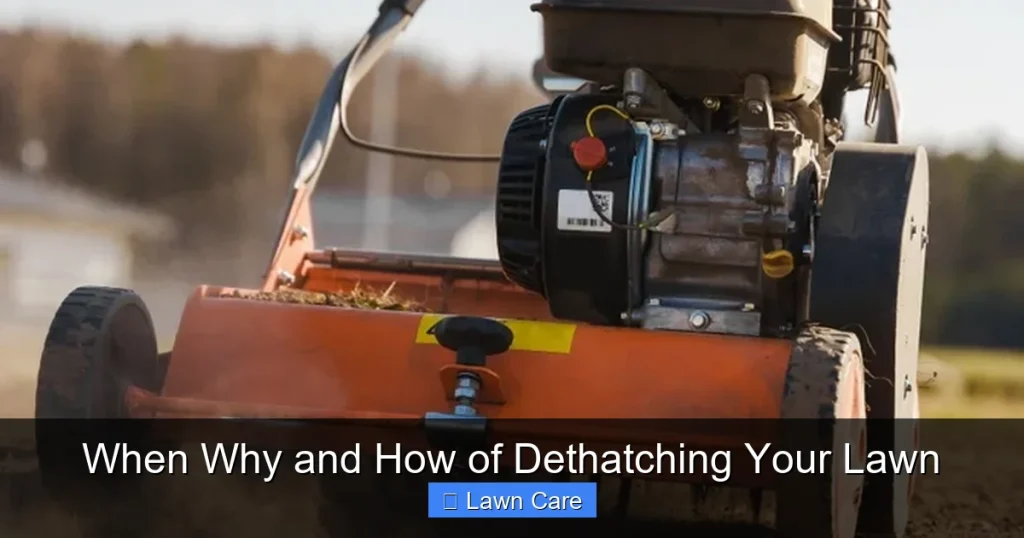
Dethatching is a vital lawn care process that removes excess thatch buildup, allowing water, air, and nutrients to reach the soil. Understanding when and how to dethatch will lead to a healthier, more vibrant lawn. This guide covers everything you need to know for effective dethatching.
Having a beautiful, lush green lawn is something many homeowners dream of. It’s the envy of the neighborhood and a wonderful place to relax and play. But achieving that perfect lawn often requires more than just regular mowing and watering. Sometimes, you need to dig a little deeper, or rather, scrape a little shallower. That’s where dethatching comes in. You might have heard the term, but what exactly is it, and why should you care about it?
Dethatching might sound a bit aggressive, and in a way, it is. It involves removing a layer of dead and living organic material that accumulates on your lawn, known as thatch. This layer can act like a barrier, preventing your grass from getting the things it needs to thrive. If you’re noticing your lawn struggling, looking thin, or suffering from water runoff, dethatching could be the solution you’ve been looking for.
This article will guide you through the when, why, and how of dethatching your lawn. We’ll break down what thatch is, why it’s a problem, when is the perfect time to tackle it, and the different methods you can use to get the job done. By the end, you’ll have a clear understanding of how this process can transform your lawn into a healthier, more vibrant space.
Key Takeaways
- What is Thatch? Thatch is a layer of dead and living organic matter (stems, roots, leaves) that builds up between the green grass blades and the soil surface.
- Why Dethatch? Excessive thatch can choke your lawn, preventing essential elements like water, air, and nutrients from reaching the roots, leading to weak growth and increased susceptibility to pests and diseases.
- When to Dethatch: The best times are during your lawn’s active growing seasons – typically spring or early fall for cool-season grasses, and late spring or early summer for warm-season grasses.
- How to Dethatch: This can be done manually with a garden rake or thatch rake for small areas, or with a power dethatcher (scarifier or verticutter) for larger lawns.
- Assessing Thatch: A thatch layer of ½ inch or more is generally considered too thick and warrants dethatching.
- Post-Dethatching Care: After dethatching, it’s crucial to water the lawn thoroughly, and consider overseeding bare patches and fertilizing to encourage new growth.
- Frequency: Dethatching is typically needed once every 1-3 years, depending on the grass type, soil conditions, and mowing practices.
Quick Answers to Common Questions
What is thatch?
Thatch is a layer of dead and living organic matter, such as grass stems, roots, and leaves, that accumulates between the green grass blades and the soil surface. A thin layer is beneficial, but excessive buildup can cause problems.
How do I know if my lawn has too much thatch?
You can check by cutting out a small wedge of your lawn and measuring the thatch layer. If it’s more than half an inch thick, it’s generally considered excessive and warrants dethatching. Signs also include a spongy feel, water runoff, and thinning grass.
When is the best time to dethatch my lawn?
The best time is during your lawn’s active growing seasons. For cool-season grasses (like fescue, bluegrass), this is early spring or early fall. For warm-season grasses (like Bermuda, Zoysia), it’s late spring or early summer.
What’s the difference between a dethatcher and a verticutter?
A power dethatcher (scarifier) typically uses spring-loaded tines to lightly loosen thatch. A verticutter has rotating blades that slice vertically into the turf, cutting through thatch and pruning surface roots, making it more aggressive and effective for heavy buildup.
How often should I dethatch my lawn?
Most lawns need dethatching every 1 to 3 years, depending on the grass type, soil conditions, and how you care for your lawn. Some fast-growing grasses may require annual dethatching, while others might only need it every few years.
📑 Table of Contents
What is Lawn Thatch and Why is it a Problem?
Before we talk about removing it, let’s get a good grasp on what thatch actually is. Think of thatch as the dead and living organic matter that sits right between your green grass blades and the soil surface. It’s made up of things like dead leaves, stems, and roots. It’s a natural byproduct of grass growth. A thin layer of thatch is actually beneficial; it can help insulate the soil, retain moisture, and provide a soft cushion underfoot.
However, when this layer starts to build up excessively, it becomes a problem. This usually happens when the rate of organic matter production is faster than the rate at which it decomposes. Several factors can contribute to thatch buildup:
- Certain grass types: Some grasses, like creeping bentgrass or certain varieties of fescues and bluegrasses, are prone to rapid thatch accumulation.
- Over-fertilization: Applying too much nitrogen-based fertilizer can stimulate excessive top growth, leading to more organic material to break down.
- Acidic soil conditions: A low soil pH can slow down the activity of beneficial microbes that are responsible for breaking down organic matter. You might need to consider why and how to lime your lawn to adjust the pH.
- Poor soil aeration: Compacted soil makes it harder for air and water to penetrate, which also slows down decomposition.
- Inadequate watering: While it might seem counterintuitive, consistently shallow watering can encourage shallow root growth, contributing to thatch.
So, why is an excessive thatch layer so bad for your lawn? It acts like a sponge, but one that can become saturated and prevent deeper penetration of water. It also restricts air circulation to the soil and roots. Furthermore, this thick, spongy layer can become a perfect habitat for pests and diseases. It can also make your lawn feel spongy and uneven, and even make it more difficult to mow effectively. A thatch layer that is more than ½ inch thick is generally considered problematic.
When is the Right Time to Dethatch?
Visual guide about When Why and How of Dethatching Your Lawn
Image source: turftimeeq.com
Timing is crucial when it comes to dethatching. Doing it at the wrong time can stress your lawn, making it more vulnerable to problems. The best time to dethatch is generally during your lawn’s active growing periods. This is when your grass can recover most effectively from the process.
Cool-Season Grasses
For cool-season grasses, such as Kentucky bluegrass, fescues, and ryegrass, the ideal times for dethatching are **early spring** (after the last frost but before intense summer heat) and **early fall** (when temperatures cool down but before the ground freezes). Spring dethatching helps remove winter debris and prepares the lawn for summer growth. Fall dethatching is excellent for dealing with summer thatch buildup and getting the lawn ready for winter dormancy. Dethatching in late spring or early fall often coincides with good times for overseeding, which can help fill in any bare spots created by the process.
Warm-Season Grasses
Warm-season grasses, like Bermuda, Zoysia, and St. Augustine grass, have different growing cycles. For these grasses, the best time to dethatch is **late spring or early summer**, when the grass is actively growing and temperatures are consistently warm. Dethatching too early in spring before the grass has fully greened up and is actively growing can be detrimental. Conversely, dethatching too late in the summer can stress the grass before it has a chance to recover before cooler weather arrives.
Signs Your Lawn Needs Dethatching
Besides knowing the best times of year, you should also look for physical signs that your lawn is suffering from thatch buildup.
- Spongy Feel: When you walk on the lawn, does it feel unusually soft and spongy? This is a classic indicator of a thick thatch layer.
- Water Runoff: Water tends to pool on the surface and run off quickly instead of soaking in.
- Thinning Grass: Despite regular care, your lawn might appear thin and unhealthy.
- Increased Pests and Diseases: A thatch layer provides a haven for lawn pests and can create conditions favorable for fungal diseases. If you’re dealing with issues like bentgrass taking over, it might be time to address underlying thatch problems. Learning how to get rid of bentgrass can be part of a broader lawn health strategy.
- Difficulty Aerating: If your aerator has trouble penetrating the soil, thatch might be the culprit.
To check the thickness of your thatch layer, cut out a small wedge of your lawn with a spade or knife. Measure the brown, spongy layer between the green grass and the soil. If it’s more than half an inch thick, it’s time to consider dethatching.
How to Dethatch Your Lawn: Methods and Tools
Once you’ve determined that your lawn needs dethatching, the next step is to figure out the best method for your situation. There are two primary approaches: manual and mechanical.
Manual Dethatching
For smaller lawns or for those who prefer a more hands-on approach, manual dethatching can be effective.
- Garden Rake: A sturdy garden rake with stiff tines can be used to comb through the thatch layer. It’s hard work, but it can be done.
- Thatch Rake (Scarifier Rake): These specialized rakes have sharp, angled tines designed to dig into the thatch and pull it to the surface. They are more efficient than a standard garden rake.
When using a manual rake, work in overlapping strokes. You’ll need to apply significant pressure to get the tines to penetrate the thatch. Be prepared to rake repeatedly and in different directions to loosen and collect the debris. This method is physically demanding but offers great control.
Mechanical Dethatching
For larger lawns, mechanical dethatchers are a much more efficient option. These machines essentially do the hard work for you. There are two main types of mechanical dethatchers:
- Power Dethatchers (Scarifiers): These machines typically have spring-loaded tines that lightly rake the surface, loosening and pulling up thatch. They are good for lighter thatch buildup or for regular maintenance.
- Verticutters (Vertical Mowers): Verticutters have rotating blades that slice vertically into the turf, cutting through the thatch and even pruning surface roots. They are more aggressive and effective for heavy thatch buildup.
When using a power dethatcher or verticutter, follow the manufacturer’s instructions carefully. Start at a moderate depth setting and increase it if necessary. You’ll typically want to make passes in two perpendicular directions (e.g., north-south and east-west) to ensure thorough thatch removal. Be aware that this process can be tough on your lawn initially, and it might look a bit rough afterward. This is why choosing the right time to dethatch is so important.
What to Do with the Thatch Debris?
After dethatching, you’ll be left with a significant amount of debris.
- Bagging: Most lawn mowers with baggers can handle smaller amounts of thatch.
- Composting: If you have a compost bin, thatch can be added, though it might take longer to break down than other organic materials. Ensure your compost pile gets hot enough to kill any weed seeds or disease pathogens.
- Mulching: Some people use a leaf blower to gather the thatch and then shred it with a mower to use as mulch.
- Disposal: For very large amounts, you might need to bag it for yard waste disposal. Always check local regulations for proper disposal methods, especially for branches and twigs that might accumulate alongside thatch. Knowing how to dispose of branches and twigs is part of good yard cleanup.
Consider how you’ll manage the thatch material before you start dethatching to avoid being overwhelmed by the cleanup.
Post-Dethatching Care: The Key to Recovery
Dethatching is only half the battle. Proper aftercare is essential to help your lawn recover and thrive. Think of it as giving your lawn a fresh start.
Watering
Immediately after dethatching, thoroughly water your lawn. This helps settle the soil, wash any remaining debris off the grass blades, and provide much-needed moisture to the exposed soil and grass roots. Continue to water regularly, especially if you’re experiencing dry weather.
Overseeding
Dethatching can sometimes expose bare patches or thin areas of your lawn. This is the perfect opportunity to overseed. Choose a grass seed that matches your existing lawn type. Rake the seed into the loosened soil for good seed-to-soil contact. Keep the seeded areas consistently moist until the new grass germinates and establishes. Overseeding is a great way to achieve a thicker, lusher look. For guidance on this, check out how to overseed your lawn for a thick and lush look.
Fertilizing
After a few weeks, once the new grass has started to grow or if you didn’t overseed, it’s beneficial to fertilize your lawn. A balanced fertilizer will provide the nutrients your grass needs to recover and grow vigorously. Avoid using weed and feed products immediately after dethatching, as you don’t want to inhibit the germination of new grass seed. Focus on promoting healthy growth.
Mowing
Once your grass has recovered and new growth is evident, you can resume mowing. However, it’s wise to raise your mower blade to a slightly higher setting for the first few mows after dethatching. This allows the grass to grow taller and stronger before being cut. Remember to never remove more than one-third of the grass blade at any single mowing.
Dealing with Weeds
Dethatching can sometimes bring dormant weed seeds to the surface, or it might create an opportunity for existing weeds to spread. Be vigilant about identifying and addressing any weeds that pop up. There are many effective methods for weed control, from manual pulling to natural herbicides. Learning how to get rid of weeds without damaging your lawn is key to maintaining a healthy turf.
How Often Should You Dethatch?
The frequency of dethatching depends on several factors, primarily your grass type, soil conditions, and how you maintain your lawn. Generally, most lawns need dethatching every 1 to 3 years.
Factors Influencing Frequency
- Grass Type: As mentioned earlier, some grass species are more prone to thatch buildup than others. Fine fescues and Kentucky bluegrass are often candidates for annual dethatching, while Bermuda grass might only need it every two years or so.
- Fertilization Practices: Lawns that receive frequent, high-nitrogen fertilization may develop thatch faster.
- Mowing Height: Mowing too short can stress the grass and contribute to thatch.
- Soil Health and Aeration: Healthy soil with good microbial activity and adequate aeration breaks down organic matter more efficiently, slowing thatch buildup. If your soil is compacted, you might need to aerate regularly, which can also help reduce thatch. The importance of lawn aeration cannot be overstated for soil health and thatch management.
- Climate: Certain climate conditions can also influence thatch buildup.
Pay attention to your lawn’s appearance and condition. If you notice the signs of excessive thatch discussed earlier, it’s time to dethatch, regardless of the calendar. It’s better to dethatch when needed rather than strictly adhering to a schedule that might be too frequent or not frequent enough.
Benefits of Dethatching Your Lawn
While it might seem like a lot of work, the benefits of dethatching your lawn are significant and contribute to a healthier, more resilient turf.
- Improved Water Penetration: Removing thatch allows water to reach the soil and root zone, reducing runoff and preventing drought stress.
- Enhanced Air Circulation: Thatch can suffocate grass roots by preventing air exchange. Dethatching opens up the soil for better aeration.
- Better Nutrient Uptake: With thatch removed, fertilizers and essential nutrients can more easily reach the soil and be absorbed by the grass roots.
- Stronger Root System: By allowing better access to water, air, and nutrients, dethatching encourages deeper and stronger root growth.
- Reduced Pest and Disease Problems: Eliminating the damp, matted environment of thick thatch can significantly reduce the incidence of common lawn pests and fungal diseases.
- Increased Resistance to Wear and Tear: A healthy, well-nourished lawn with a strong root system is more resilient and can withstand heavy foot traffic and other forms of stress.
- Improved Effectiveness of Other Lawn Treatments: Dethatching ensures that soil amendments, pesticides, and fertilizers applied to your lawn will be more effective, reaching their target more efficiently.
In essence, dethatching is a foundational step in comprehensive lawn care. It creates an optimal environment for your grass to thrive, leading to a visibly greener, thicker, and healthier lawn. It’s an investment in the long-term health and beauty of your outdoor space.
Conclusion
Dethatching your lawn might seem like a daunting task, but understanding its importance, timing, and methods can make it a manageable and incredibly rewarding part of your lawn care routine. By removing that problematic layer of thatch, you’re opening the door for your grass to breathe, drink, and feed properly, leading to a more vibrant, healthy, and resilient lawn.
Remember to assess your thatch layer, choose the right time of year for your grass type, and select the appropriate dethatching method for your lawn size and needs. Don’t forget the crucial post-dethatching care, including watering, and potentially overseeding and fertilizing, to help your lawn bounce back stronger than ever. When done correctly and at the right intervals, dethatching is an investment that pays off in a lawn you can truly be proud of.
Frequently Asked Questions
What happens if I don’t dethatch my lawn?
If thatch builds up excessively, it can prevent water, air, and nutrients from reaching the grass roots. This can lead to a weaker lawn, increased susceptibility to pests and diseases, and poor overall health.
Can I dethatch my lawn in the summer heat?
It’s generally not recommended to dethatch during peak summer heat, especially for cool-season grasses, as the stress can be too much for the lawn to recover. Stick to the active growing seasons.
Is dethatching the same as aeration?
No, dethatching and aeration are different processes. Dethatching removes the layer of organic matter on the surface, while aeration creates small holes in the soil to improve air and water penetration to the root zone.
What should I do after I dethatch my lawn?
After dethatching, it’s crucial to water your lawn thoroughly. You may also want to overseed bare patches, fertilize to promote recovery, and adjust your mowing height for the next few cuts.
Can I dethatch a newly seeded lawn?
No, you should not dethatch a newly seeded lawn. Wait until the grass has become well-established, typically for at least one full growing season, before considering dethatching. Overseeding is for established lawns that need thickening.
Will dethatching damage my lawn?
Dethatching is an aggressive process and will make your lawn look rough immediately afterward. However, if done at the right time and with proper aftercare, it is beneficial and promotes healthier growth in the long run. It’s about stressing the lawn temporarily to allow it to grow back stronger.