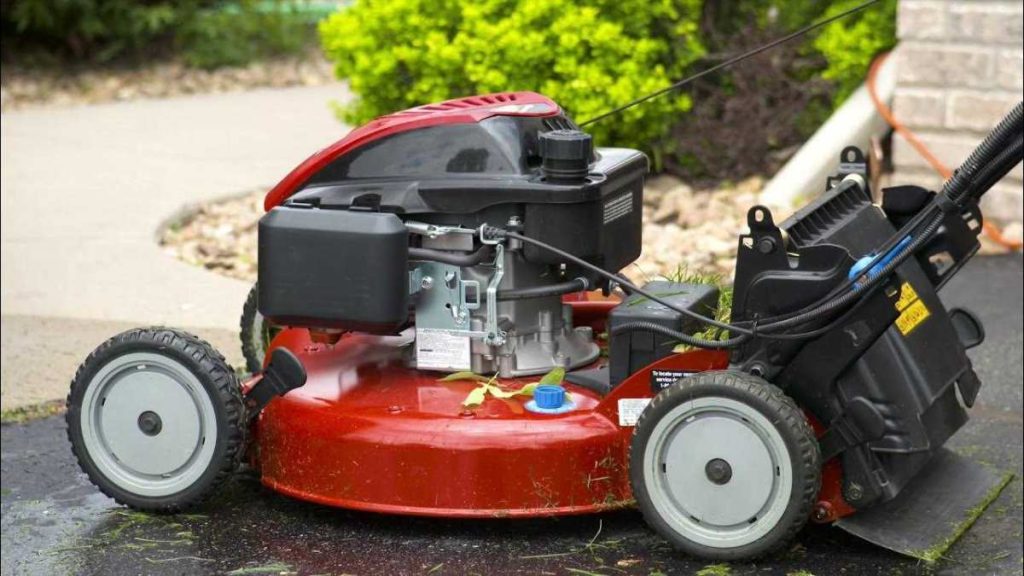
To quickly clean your gas lawn mower, start by disconnecting the spark plug, removing any grass clippings from the deck, and wiping down the exterior with a damp cloth. For a deeper clean, flush the underside with a hose and sharpen the blades if needed. Regular maintenance keeps your mower running smoothly and extends its lifespan.
Keeping your gas lawn mower in top shape doesn’t have to be a chore. Regular cleaning not only improves performance but also prevents long-term damage. Whether you’re dealing with stubborn grass buildup or just want that fresh-cut look, knowing how to properly clean your mower is key. In this guide, we’ll walk you through simple, effective steps to keep your mower looking brand new and working efficiently season after season. Grab your gloves and let’s get started on maintaining your garden tool with ease and confidence.

How to Clean Gas Lawn Mower: A Step-by-Step Guide to Keep It Running Smoothly
Maintaining a clean gas lawn mower is essential for its longevity and optimal performance. Regular cleaning prevents buildup that can clog the engine and affect cutting efficiency. In this section, we will walk through the entire process of cleaning your gas lawn mower, making it easier to keep your mower in top shape.
Gather Necessary Tools and Supplies
Before you begin cleaning, gather all the tools and supplies you’ll need. Having everything ready saves time and keeps the process smooth. The basic items include:
- Protective gloves and safety goggles
- Screwdrivers (flat-head and Phillips)
- Wire brush or scrub brush
- Garden hose with spray nozzle
- Cleaner or degreaser suitable for outdoor equipment
- Rags or towels
- Oil for lubrication (if necessary)
- New spark plug (optional but recommended)
Preparing Your Mower for Cleaning
Start by turning off the engine and disconnecting the spark plug wire. This safety step ensures the mower doesn’t accidentally start while you’re working on it. Place the mower on a flat, stable surface in a well-ventilated area.
Drain any remaining gasoline from the tank if you plan to do a thorough cleaning. Gasoline spills can be hazardous, so handle carefully and dispose of any excess properly.
Cleaning the Exterior of the Mower
Use a garden hose with a spray nozzle to rinse off loose dirt and grass clippings from the mower’s exterior. Avoid directing high-pressure water at the engine or air filter area to prevent damage.
Apply a cleaner or degreaser to stubborn grime or oil spots. Let it sit for a few minutes to loosen dirt, then gently scrub with a wire brush or stiff-bristled brush. Use rags to wipe down surfaces and remove remaining debris.
Cleaning the Cutting Blades
The blades are crucial for a clean cut and should be cleaned regularly. Tilt the mower carefully to access the blades or lift it using appropriate supports. Always wear gloves to protect your hands from sharp edges.
Use a wire brush or a metal scraper to remove accumulated grass and dirt from the blades. For better results, soak the blades in a degreasing solution if there is heavy buildup. After cleaning, sharpen the blades if they are dull, which helps cut grass more effectively.
Removing and Cleaning the Air Filter
The air filter prevents dirt from entering the engine, so it needs occasional cleaning. Access the air filter cover, remove the filter, and inspect it for dirt and damage. Wash foam filters with soap and water, then let them dry completely before reinstalling.
Replace paper filters if they are excessively dirty or damaged, as cleaning might not restore their effectiveness. A clean air filter improves engine performance and fuel efficiency.
Cleaning the Spark Plug
The spark plug is vital for engine ignition and needs regular inspection. Remove the spark plug with a socket wrench. Clean it with a wire brush or replace it if it shows signs of wear or damage.
Check the spark plug gap and adjust according to the manufacturer’s specifications. Properly functioning spark plugs ensure easy starting and smooth running of the engine.
Checking and Changing the Oil
Old or dirty oil can hinder engine performance. Before changing it, run the engine for a few minutes to warm the oil, then turn off the mower. Remove the oil drain plug and let the oil flow into a container.
Replace with fresh oil as recommended in your mower’s manual. Proper oil levels and quality are essential for the engine’s health and longevity.
Inspecting and Reassembling
After cleaning, inspect all parts for signs of wear or damage. Replace any worn components, especially blades, filters, or spark plugs. Reassemble the mower carefully, ensuring all screws and bolts are tightened securely.
Finally, add fresh gasoline if you drained the tank earlier. This completes the cleaning process and helps your mower operate like new.
Additional Tips for Maintaining Your Gas Lawn Mower
In addition to regular cleaning, consider performing routine maintenance such as lubricating moving parts, checking tire pressure, and replacing blades periodically. A well-maintained mower lasts longer and cuts grass more evenly.
Store your mower in a dry, sheltered location when not in use. Covering it helps prevent dust buildup and protects it from weather damage.
Related Topics to Explore
- How often should you clean your lawn mower?
- Best oils and lubricants for lawn mowers
- Signs your gas mower needs professional repair
- DIY blade sharpening tips for a cleaner cut
- Winterizing your gas lawn mower
By following these detailed steps, you ensure your gas lawn mower stays clean, efficient, and ready to tackle your yard work. Regular maintenance not only prolongs the life of your mower but also helps it perform at its best every mowing season.
How to Clean a Lawn Mower the Right Way
Frequently Asked Questions
How can I safely remove debris from the blades of my gas lawn mower?
To safely remove debris from the blades, first turn off the mower and disconnect the spark plug for safety. Tilt the mower onto its side with the carburetor and air filter facing up to prevent oil leakage. Use gloves and a blunt instrument, like a wooden stick or a brush, to carefully dislodge grass clippings and dirt from the blades. Avoid using sharp tools that could damage the blades. Once clean, inspect the blades for damage or rust, and sharpen or replace them if necessary.
What is the best way to clean the mower deck thoroughly?
Start by removing any grass buildup around the deck edges using a plastic scraper or brush. Fill a bucket with warm water mixed with a mild detergent or degreaser. Use a garden hose to spray the deck to loosen caked-on debris, then scrub the underside with a stiff brush dipped in the cleaning solution. Rinse thoroughly with water to remove any leftover dirt or soap. Ensure the deck dries completely to prevent rusting before storing or using the mower again.
How do I clean the air filter of my gas lawn mower?
Remove the air filter according to the manufacturer’s instructions. Check if it is a foam, paper, or fabric filter. For foam or fabric filters, wash them gently in warm, soapy water, then rinse and squeeze out excess water. Allow it to air dry completely before reinstalling. If it is a paper filter, tap it gently to remove loose dirt or replace it if it’s excessively dirty or damaged. Regular maintenance of the air filter improves engine performance and prolongs the mower’s lifespan.
What steps should I follow to clean the spark plug during maintenance?
Remove the spark plug using a socket wrench. Inspect the electrode for carbon buildup or signs of wear. Use a wire brush or spark plug cleaner to remove deposits gently. Check the gap with a feeler gauge and adjust it to the manufacturer’s specifications if needed. Apply a small amount of anti-seize compound on the threads before reinstalling the spark plug. Properly cleaned and gapped spark plugs help ensure smooth engine operation.
How often should I perform a thorough cleaning of my gas lawn mower?
You should clean your mower after every 20 to 25 hours of use or at the start and end of each mowing season. Regular cleaning prevents grass buildup and debris from affecting performance. Additionally, inspect and clean the blades, deck, and air filter periodically, especially after mowing tall or thick grass. Routine maintenance keeps your mower running efficiently and extends its service life.
Final Thoughts
To clean a gas lawn mower, start by removing the spark plug to prevent accidental starting. Next, detach the blade and clean it thoroughly with a wire brush to remove grass clippings and debris. Wipe down the exterior and air filter with a damp cloth.
Check the oil and change it if necessary, then clean any dirt from the undercarriage. Finally, stabilize the mower by refilling old oil and gas.
In conclusion, knowing how to clean gas lawn mower properly ensures its longevity and performance. Regular maintenance reduces breakdowns and keeps your lawn looking great.