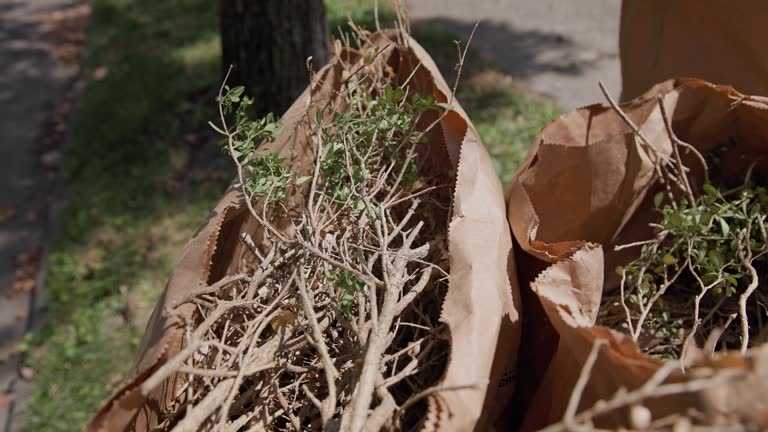
Want to keep your yard tidy without the hassle? Disposing of branches and twigs can seem overwhelming, but with the right approach, it’s simple and eco-friendly. The quickest way is to compost small twigs, mulch larger branches, or arrange for yard waste pickup. Recycling your yard debris not only keeps your lawn looking pristine but also benefits the environment.
In just a few steps, you can efficiently get rid of the branches and twigs after a lawn cleanup. From composting and mulching to curbside pickup or creating your own disposal station, there are several practical options to choose from to suit your needs.
Cleaning up your yard often leaves you with a pile of branches and twigs, which can feel like a daunting task. Instead of tossing everything in the trash, consider eco-friendly methods like composting or mulching. You can also utilize local yard waste collection services or build a designated pile for later disposal. Proper disposal not only keeps your yard looking neat but also helps reduce waste and supports sustainable gardening practices. Whether you prefer turning your debris into mulch or recycling through municipal programs, there are effective and environmentally conscious ways to manage your yard’s leftovers.

How to dispose of branches and twigs from lawn cleanup
Understanding the importance of proper branch and twig disposal
Proper disposal of branches and twigs is essential for keeping your yard clean and safe. Old or broken branches can attract pests or develop mold if left to decay. Disposing of these yard waste items correctly also helps maintain a healthy environment and prevents clutter.
Gathering and preparing branches and twigs for disposal
Start by collecting all the loose branches and twigs scattered across your lawn. Use a rake or pruning shears to gather smaller twigs and break larger branches into manageable sizes. Always wear sturdy gloves to protect your hands from thorns and splinters.
Sorting yard waste: branches versus other debris
Separate branches and twigs from other yard waste like leaves and grass clippings. This makes it easier to choose the right disposal method. Keep branches in one pile, and compost or discard other materials separately.
How to compost branches and twigs
Branches and twigs can be composted if prepared properly. Break larger branches into smaller pieces to help them decompose faster. Use a compost bin or a designated pile in your yard. Turn the compost regularly to aerate it, and add green materials like grass clippings to balance the carbon-to-nitrogen ratio.
Benefits of composting branches and twigs
Composting turns yard waste into nutrient-rich soil. It reduces waste going to landfills and creates free, organic mulch for your garden. Smaller twigs and shredded branches work best for composting.
Using a wood chipper to process branches and twigs
A wood chipper is an efficient tool for turning branches into mulch or yard waste chips. Feed branches slowly into the chipper, wearing safety equipment. Chipped wood can be used as ground cover or mulch around plants.
Choosing the right wood chipper
Select a chipper with the appropriate capacity for your yard size and branch thickness. Gas-powered chippers are suitable for larger branches, while electric options work well for smaller limbs. Always follow safety instructions provided by the manufacturer.
Disposing of branches and twigs through municipal trash collection
Many communities offer curbside pickup for yard waste, including branches and twigs. Typically, you need to bundle smaller branches with twine or place them in biodegradable bags. Check local regulations for size limits and collection schedules.
Preparing branches for municipal pickup
Bundle branches tightly, and ensure they are within the size limits specified by your city or town. Use biodegradable yard waste bags if required. Clearly mark the bundles as yard waste to prevent confusion.
Recycling options: drop-off centers and composting facilities
Some municipalities have dedicated yard waste recycling centers. You can drop off branches and twigs directly at these locations. Check their operating hours, and consider splitting your waste into manageable loads.
Creating a brush pile for wildlife habitat
Instead of discarding branches entirely, consider stacking them into a brush pile. This provides shelter for birds, insects, and small mammals. Place the pile in a safe, quiet corner of your yard away from paths and play areas.
How to build a safe and effective brush pile
Layer branches in a criss-cross fashion to allow air flow and prevent rot. Avoid stacking directly against trees or structures. Regularly check and maintain the pile to ensure it remains safe and sturdy.
Repurposing branches and twigs for DIY projects
Branches can be used creatively at home. Use smaller twigs for garden stakes, wreaths, or rustic decorations. Larger branches can be made into furniture or garden edging with proper tools and craftsmanship.
Creative project ideas for branches and twigs
- Garden trellises for climbing plants
- Bird feeders or nesting boxes
- Rustic picture or mirror frames
- Natural garden edging or fencing
Safety tips for handling and disposing of branches and twigs
Always wear protective gear such as gloves, goggles, and sturdy shoes while handling yard waste. Use sharp tools carefully and follow safety instructions. Keeping your workspace organized reduces accidents and injuries.
Environmental considerations in branch and twig disposal
Opt for methods that reduce waste and promote recycling. Composting and chipping are eco-friendly options. Avoid burning branches, as this releases pollutants and may be illegal in your area.
Maintaining a clean and safe yard environment
Regularly remove fallen branches and twigs to prevent hazards. Keep pathways clear to avoid tripping. Proper disposal methods contribute to a cleaner, safer outdoor space.
Summary: choosing the best disposal method for your yard
Assess the size and quantity of your branches and twigs. Consider available equipment, local regulations, and your environmental goals. Combining methods like composting, chipping, and recycling can optimize yard waste management.
By using these strategies, you can efficiently and safely dispose of your branches and twigs after lawn cleanup. Proper disposal not only maintains your yard’s beauty but also supports a healthy environment for the community and wildlife.
What to Do With Fallen Tree Branches: Time-lapse Brush Pile Cleanup
Frequently Asked Questions
What are the best methods to compost branches and twigs from my lawn cleanup?
To compost branches and twigs, start by breaking them into smaller pieces using a pruning saw or mulcher. This helps them decompose faster. Create a compost pile in a well-ventilated area, mixing the chopped wood with other organic materials like grass clippings and leaves. Turn the pile regularly to aerate it and speed up decomposition. Keep the compost moist but not soaked. Over time, the organic matter will break down into nutrient-rich compost that you can use in your garden.
How can I recycle branches and twigs instead of throwing them away?
Recycling branches and twigs can involve using them as mulch around your plants or creating decorative wood chips. You can also convert them into garden stakes or trellises for supporting climbing plants. If you have a chipper or wood shredder, run the branches through it to produce mulch or wood chips that protect soil moisture and suppress weeds. These options reduce waste and add value to your garden space.
Are there community programs or services that help dispose of lawn debris like branches and twigs?
Many local waste management services offer curbside pickup or designated drop-off days for yard waste, including branches and twigs. Check with your municipal or city waste department for specific guidelines and schedules. Some communities also operate composting centers or bulk waste collection programs that accept larger yard debris. Participating in these services helps ensure safe disposal and supports community composting initiatives.
Can I use the branches and twigs as firewood or for burning in a fireplace?
Yes, you can use branches and twigs as firewood if they are properly dried and seasoned. Cut them into smaller pieces, and store them in a dry, well-ventilated area for several months. Dry wood burns more efficiently and produces less smoke. Avoid burning green or freshly cut wood, as it creates excessive smoke and can cause creosote buildup in chimneys. Always follow local regulations and safety guidelines when burning yard debris.
What precautions should I take when disposing of large branches and twigs?
When handling large branches, wear protective gloves and eye protection to avoid injury from sharp edges or falling debris. Use appropriate tools like pruning saws or axes for cutting. If disposing of large branches through yard waste collection, ensure they are cut into manageable lengths and tied securely for pickup. Avoid burning large branches in open fires to prevent uncontrolled fires and air pollution. Proper handling and disposal prevent accidents and help maintain a clean, safe environment.
Final Thoughts
How to dispose of branches and twigs from lawn cleanup involves several practical options. You can mulch small twigs and branches using a chipper, turning yard waste into valuable mulch. Alternatively, arrange for curbside yard waste pickup or take branches to a local composting facility. Creating a brush pile for wildlife habitat also offers an eco-friendly solution. Proper disposal methods keep your yard tidy and contribute to environmental conservation.