Here's the truth nobody tells you about lawn grubs: timing matters more than the product you buy. Spray the wrong week and you've wasted your money, your afternoon, and your patience. Get it right and one treatment keeps your lawn intact through fall.
Knowing when to treat grubs isn't about circling a date on the calendar. It's about reading what the grubs are doing underground and matching your move to their life stage. University extension research across multiple states confirms that application timing shifts by as much as six weeks depending on your region and the specific grub species you're dealing with.
Let's walk through exactly how to figure that out.
Quick Answer
Treat grubs in late summer (August to early September) when they're young and feeding near the surface. That's the curative window. Preventive products go down earlier, from mid-June to mid-July, before eggs hatch.
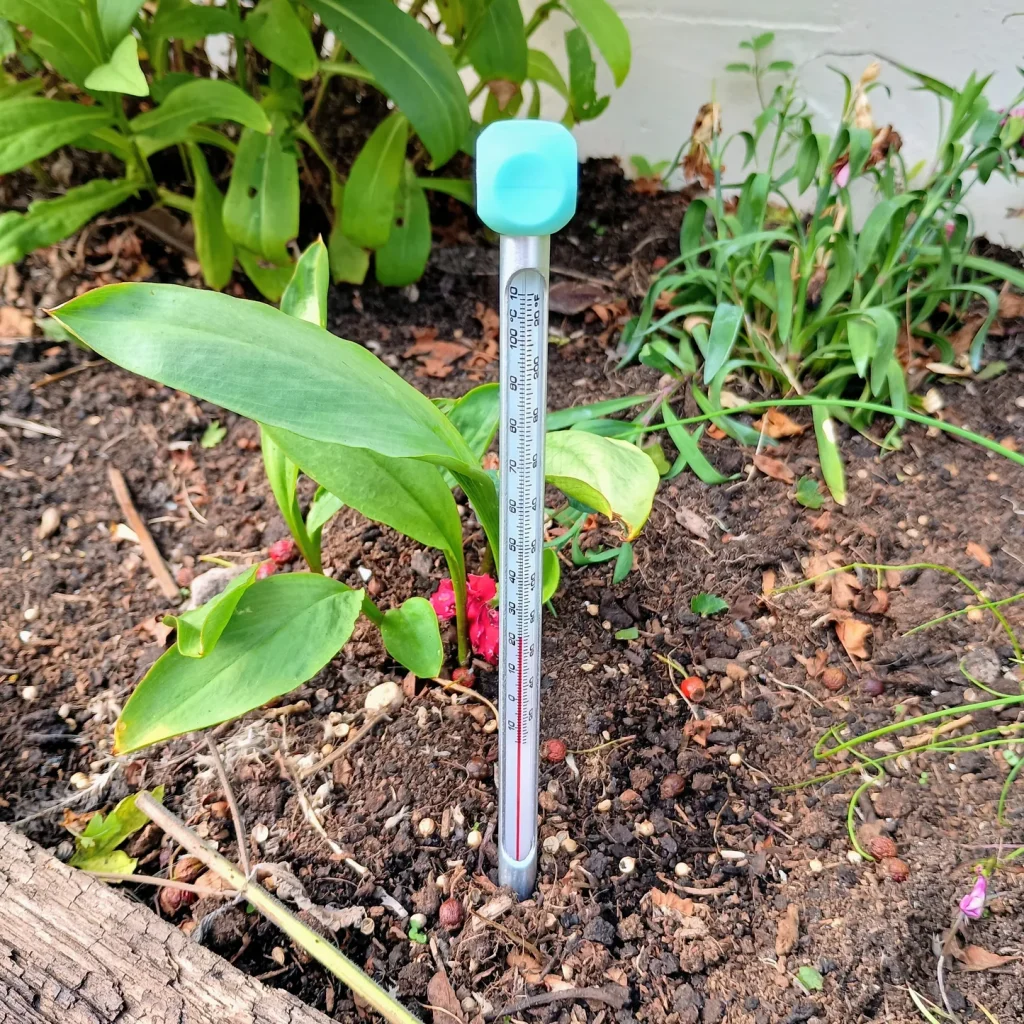
Use a soil thermometer at 4 inches deep. When it reads 65 to 70 degrees Fahrenheit, that's your signal. Check for grubs first by pulling back a square foot of sod.
If you count more than 10, it's time to treat.
The Real Problem: Why Most People Treat at the Wrong Time
Most homeowners treat grubs in spring when they see brown patches. That's the worst possible timing. Spring grubs are nearly full-grown and about to pupate into beetles.
They've stopped feeding. Insecticides barely touch them at that stage. So you spend money on product, water it in, wait a week, and see zero improvement.
The brown patch you're looking at in April probably isn't even grub damage. It could be drought stress, fungal disease, or last fall's damage that the lawn never recovered from. Grubs feed aggressively in late summer and early fall.
That's when the roots get chewed off. The lawn goes brown in September and October. Then the grass goes dormant over winter and looks dead when spring arrives.
But the grubs are already gone.
A 2025 survey of turfgrass specialists found that roughly 60 percent of grub-related calls in spring turn out to be misdiagnosed problems. That's a lot of wasted insecticide.
The real issue is that most of us think about lawn problems when we see the symptom. Grub damage demands you think ahead by weeks or months. It's counterintuitive.
But once you understand the grub's calendar, the right time to act becomes obvious.
How Grub Life Cycles Dictate Your Treatment Timing
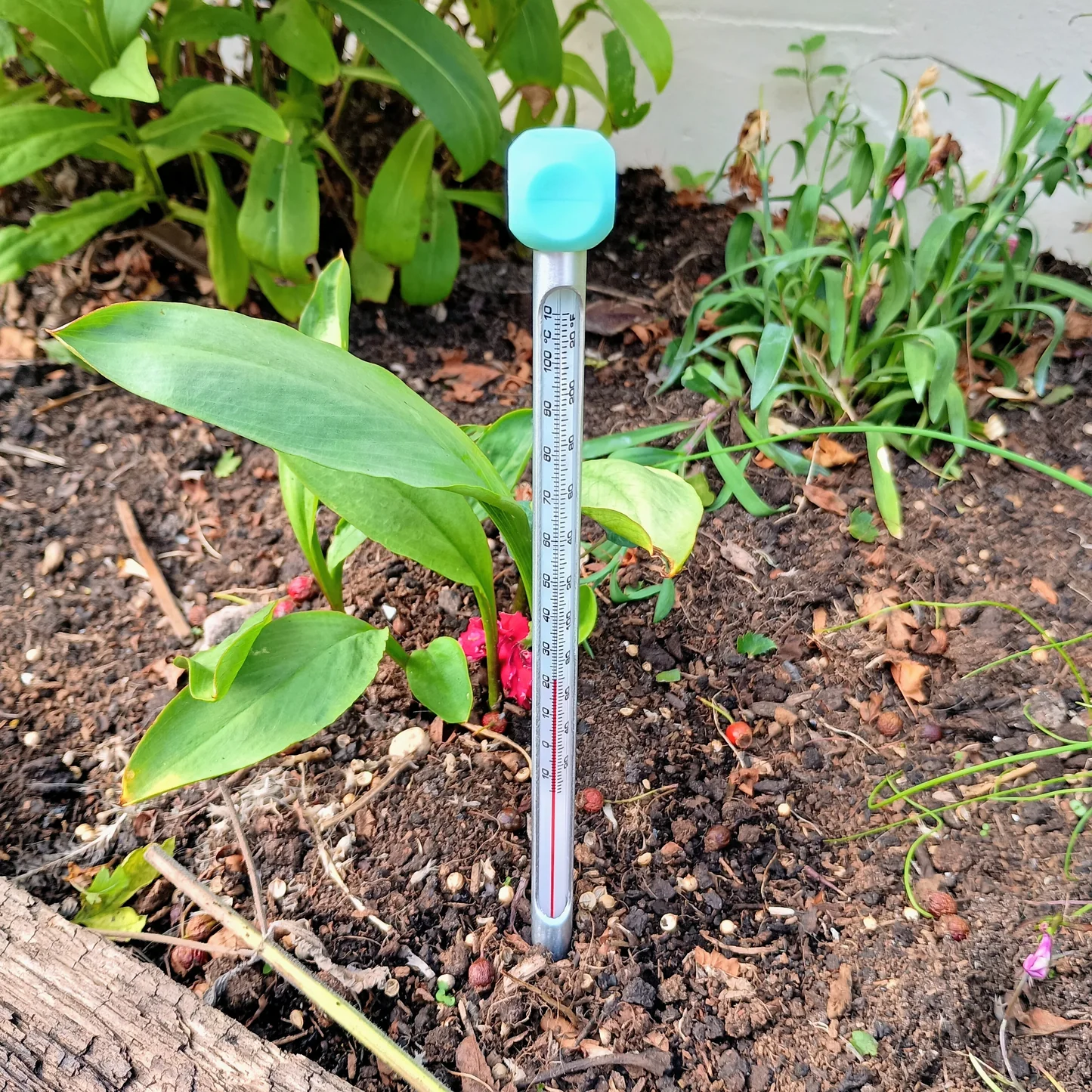
Image source: Bing (Web (fair-use with source credit))
Grubs are the larval stage of beetles. The three species you'll most likely encounter in a home lawn are Japanese beetles, European chafers, and June beetles. Their life cycles are nearly identical, with timing shifts based on soil temperature and geography.
Adult beetles emerge in early summer. They mate, lay eggs in moist soil, and die. The eggs hatch into tiny first-instar grubs about 10 to 14 days later.
Those grubs are the size of a grain of rice. They start feeding on grass roots immediately. This is the moment you can kill them easily.
They feed through late summer and early fall, growing into second and third instars. By mid-fall, they're fat, full-sized, and boring deep into the soil to overwinter. Come spring, they creep back up toward the surface, feed briefly, and then pupate into adults.
The cycle repeats.
The key takeaway is simple: you want to hit them when they're small and feeding near the surface. That window opens in late summer, about three to four weeks after the adult beetles stop flying in your area.
The Curative Window (Late Summer to Early Fall)
Curative products kill grubs that are already in your lawn. They're contact killers. The most common active ingredients are carbaryl and trichlorfon.
These work fast, but they only work while grubs are actively feeding near the soil surface.
The curative window runs from roughly mid-August through early September in most of the northern United States. In warmer southern regions, it may start as early as late July. You can confirm the timing by checking soil temperature.
When it stays consistently at 65 to 70 degrees Fahrenheit at 4 inches deep, the eggs have hatched and the young grubs are feeding.
One treatment during this window usually knocks out 80 to 90 percent of the population. You'll see results within a week. Dead grubs decompose in the soil, and the lawn starts putting out new roots within two to three weeks if you keep it watered.
The Preventive Window (Early to Mid-Summer)
Preventive products stop the problem before it starts. They contain longer-lasting active ingredients like imidacloprid, chlorantraniliprole, or halofenozide. You apply them before the eggs hatch.
The chemical stays in the soil, and when a newly hatched grub starts feeding, it ingests a lethal dose.
This window opens in early to mid-summer. A good rule of thumb is to apply preventive treatment around the same time you see the first fireflies in your yard. That's a rough but reliable natural signal.
For a more precise approach, check local extension service alerts for your area.
Preventive products are more expensive than curative ones, but they're more effective because they catch every single grub that hatches. One application per year is usually enough.
Step-by-Step: How to Check If You Actually Have Grubs
Before you buy any product, confirm you have grubs. This test takes five minutes and saves you from treating a problem that doesn't exist.
Find a spot where the brown patch meets green grass. Use a shovel or a sharp trowel to cut three sides of a 1-foot square of sod. Peel it back like a rug.
Sift through the top 2 to 4 inches of soil. Count every white, C-shaped grub you see.
Do this in three or four different spots around your lawn. Add up the counts and divide by the number of samples. That's your average per square foot.
Here's the threshold table used by most turf professionals:
| Grubs per Square Foot | What to Do |
|---|---|
| 0 to 5 | No treatment needed. Monitor again in fall. |
| 6 to 10 | Treatment recommended if lawn is stressed or irrigated. |
| 11 to 15 | Treatment advised. Risk of visible damage is high. |
| 16+ | Treat immediately. Lawn damage is likely extensive. |
If you find grubs in late summer or early fall, that's your cue to apply a curative product. If you find them in spring, don't bother treating. They'll pupate soon and fly away.
The Decision Tree: Should You Treat Now or Wait?
Image source: Bing (Web (fair-use with source credit))
The right answer depends entirely on what you're seeing and what season it is. Use this decision tree to find your path.
Branch 1: You See Brown Patches in Spring
If it's March, April, or early May and your lawn looks dead in spots, do not reach for grub killer. Pull back a section of sod. If you find large, full-sized grubs (about an inch long), they're nearly done feeding.
They'll turn into beetles in a few weeks. Treatment at this stage is ineffective. Focus on watering and fertilizing to help the lawn recover.
Plan a preventive application for early summer.
Branch 2: You See Brown Patches in Late Summer
If it's August or September and patches are appearing, that's textbook grub damage. Pull back the sod. If you find small, rice-sized grubs or medium-sized ones, you're in the curative window.
Apply a curative product immediately. Water it in with half an inch of irrigation. The lawn should show signs of recovery within two to three weeks.
Branch 3: Skunks and Raccoons Are Digging Up Your Lawn

Image source: Bing (Web (fair-use with source credit))
Animals dig up lawns to eat grubs. If you see torn patches of sod flipped over like pancakes, especially overnight, you have an active grub infestation. The animals are doing the detective work for you.
This is almost always a late summer or early fall problem. Treat with a curative product immediately. The digging will stop within a few days because the grubs die and the animals lose interest.
Vacuum up the loose sod pieces and keep the area watered to encourage root regrowth.
Branch 4: You Had Grubs Last Year (Preventive Decision)
If your lawn had grub damage the previous season, you should absolutely apply a preventive product this year. The beetle population in your area is likely still high. Apply between mid-June and mid-July.
Mark your calendar based on when you first saw fireflies or when soil temperature hits 65 degrees at 4 inches deep. One preventive application now saves you from curative sprays and animal damage later. It also gives you peace of mind through the rest of the growing season.