If you've got a North Texas lawn, you've probably seen the signs, brown patches that peel up like carpet, or holes dug by skunks and raccoons having a late-night feast. That's grub damage, and the question everyone asks is when to treat for grubs in North Texas before it gets bad. The short answer is late May through early July for preventive treatment, but the real answer depends on one thing you can measure yourself.
Our research across Texas A&M AgriLife Extension data and local turf management guides confirms that timing by soil temperature beats timing by calendar every single year. The magic number is 65°F at two inches deep. Hit that window and one well-timed application can save you from patching dead turf come August.
Miss it and you're playing catch-up with curative products that cost more and work less reliably. Let's walk through exactly how to nail it.
Quick Answer
Treat grubs in North Texas preventively from late May to early July. Apply when soil temperature at two inches deep reaches 65°F. Use a preventive product with imidacloprid or chlorantraniliprole.
Water in with half an inch within 24 hours. If you already see damage in late summer, switch to a curative product like trichlorfon. Check soil temperature with a probe, don't guess by the calendar alone.
Why Grub Timing in North Texas Is Tricky
North Texas sits in a weird spot for grub control. We're warm enough that grubs can start hatching earlier than folks up north, but our spring weather is wildly inconsistent. One year you'll hit 90°F in April.
The next year you're still getting frost in mid-March. That variability means a fixed date like "treat on June 1" is a gamble. Some years it's perfect.
Other years you've either applied too early, and the product degrades before grubs hatch, or too late, and those grubs are already big enough to shrug off preventive chemistry.
The other curveball is our soil. North Texas clay is dense and slow-draining. Products that work great in sandy loam up in Michigan behave differently here.
They need more water to move down to the root zone where grubs are feeding. And our summer heat can accelerate chemical breakdown, shortening your window of protection.
This is also a region where masked chafers dominate, though June beetles and the occasional Japanese beetle show up too. Different species have slightly different hatch timing. But the good news is they all respond to the same temperature trigger.
Get that right and you cover the vast majority of what's under your turf.
The One Number That Really Matters: Soil Temperature
Here's the thing that separates a successful treatment from a wasted trip to the hardware store. Grubs don't hatch based on the date on your calendar. They hatch based on soil temperature.
The eggs laid by adult beetles need consistent warmth to develop. Once the soil at two inches deep hits and stays near 65°F, the eggs start hatching.
That's your trigger point.
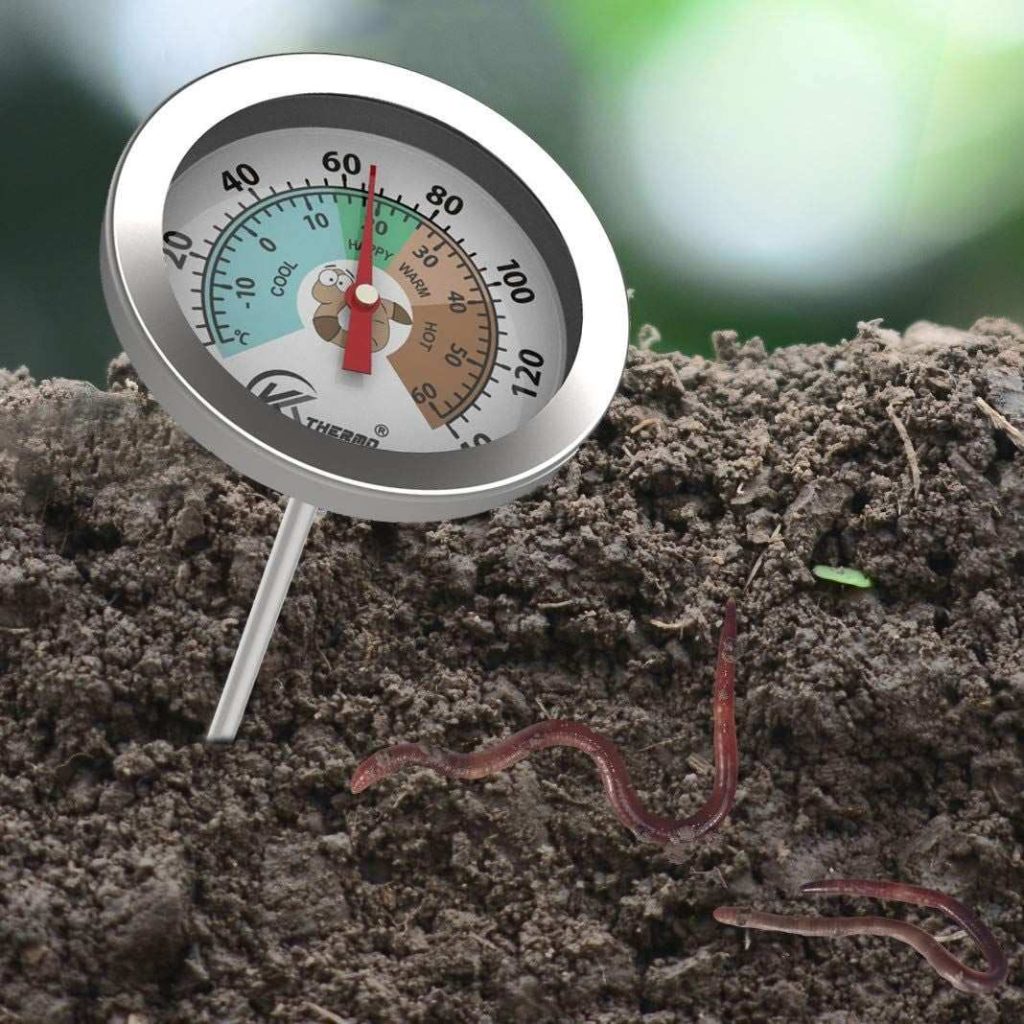
You don't need fancy equipment for this. A simple soil thermometer, the same kind you'd use for composting or planting, is all it takes. Push it two inches into the ground in a bare patch or between grass blades.
Take the reading mid-morning when the soil has had a chance to warm up but isn't baking in direct afternoon sun.
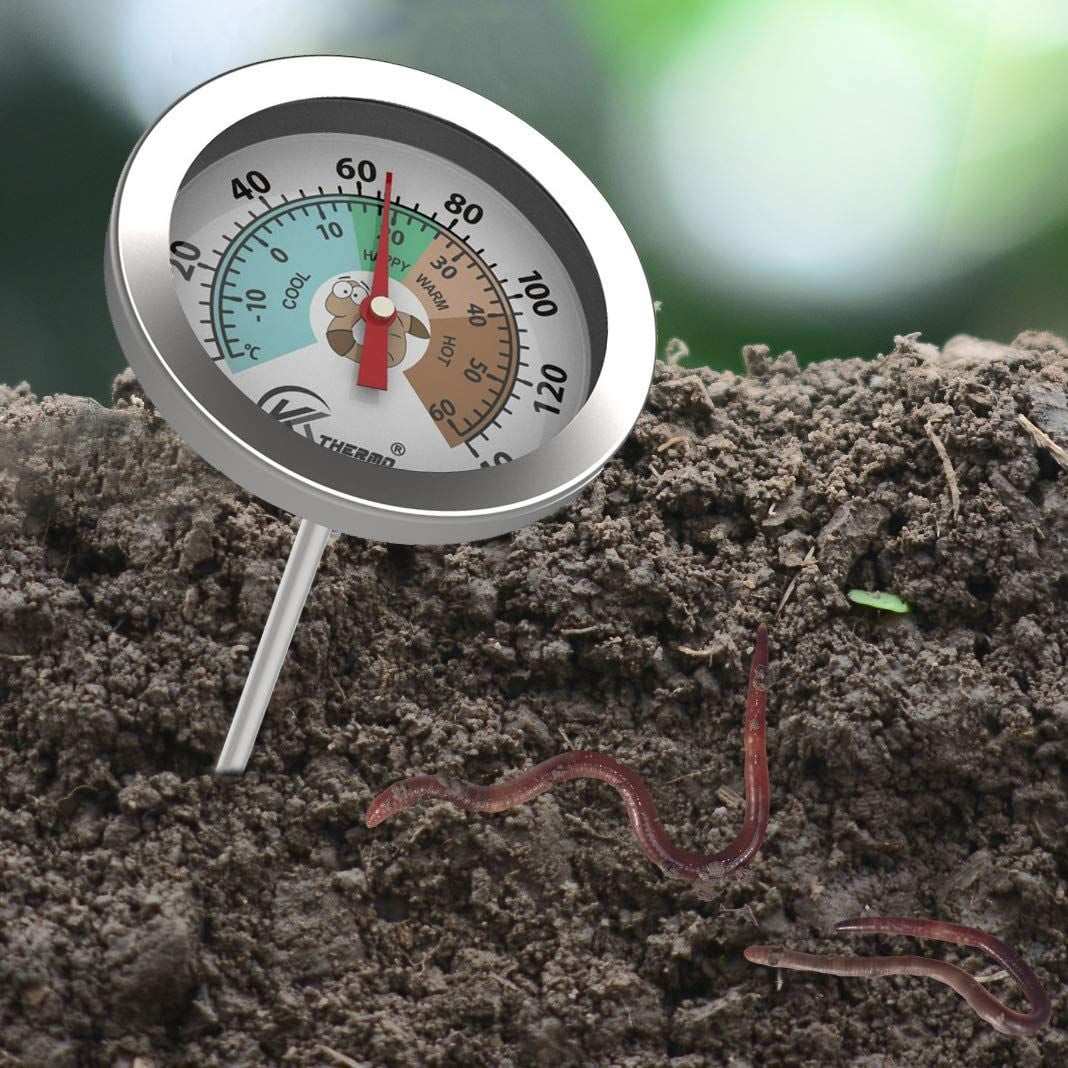
Image source: Bing (Web (fair-use with source credit))
Here's the practical reality for North Texas. In a typical year, soil at two inches hits 65°F somewhere between late May and mid-June. But that can shift two to three weeks either direction depending on spring rains, cloud cover, and whether we're having a hot or cool spring.
The only way to know is to measure.
Check your soil temperature every few days starting in mid-May. Once you see 65°F, you've got about a two-week window to apply a preventive product. Apply too early and the chemical starts breaking down before grubs arrive.
Apply too late and some grubs have already hatched and started feeding below the treated zone.
Grub Life Cycle in North Texas — When Each Stage Hits
Understanding the grub life cycle is what makes the timing click. It's not complicated, but it explains why that 65°F number matters so much.
Adult beetles, mostly masked chafers in our area, emerge from the soil in late spring, typically late May through June. They fly around, mate, and lay eggs in the turf. The eggs are tiny and sit in the top inch of soil.
They need consistent warmth to develop. Once soil temperature stays at 65°F or above, those eggs start hatching over a period of about two to three weeks.

Image source: Bing (Web (fair-use with source credit))
The newly hatched grubs are tiny, smaller than a grain of rice. They immediately start feeding on grass roots near the soil surface. This is the stage where preventive products work best.
The chemicals sit in the root zone and kill these small, vulnerable grubs before they cause noticeable damage.
As summer progresses, those grubs grow. By mid-to-late August in North Texas, they're typically in their third instar stage, think fat, C-shaped larvae about three-quarters of an inch long. They've been feeding hard for weeks, and that's when you start seeing brown patches and animals tearing up the lawn.
Here's where timing gets critical for curative treatments. Once grubs reach that larger size, they're harder to kill. Preventive products that worked on tiny grubs won't touch them.
You need a different class of chemistry, and even then, effectiveness drops as grubs get older and start moving deeper in preparation for overwintering.
By October, most grubs have stopped feeding and burrowed several inches down to wait out winter. Spring treatment won't do much because those grubs pupate and become adults by late spring anyway. The cycle starts over.
The Big Decision: Preventive vs. Curative
This is the fork in the road for every North Texas lawn owner. You have two fundamentally different approaches, and choosing the wrong one wastes money and leaves you with dead grass.
Preventive treatment is what you do before you see damage. You apply a product with a long-residual active ingredient, imidacloprid or chlorantraniliprole are the most common, timed to coincide with egg hatch. The chemical sits in the soil and kills grubs as they hatch and start feeding.
One application can protect your lawn for the entire season.
Curative treatment is what you do when you've already got grubs. You see the damage. You peel back a patch of sod and find the C-shaped larvae.
You need something that kills established grubs quickly. Products with trichlorfon are the standard here. They work fast but have a shorter residual life.
You're cleaning up an active infestation rather than preventing one.
The table below lays out the key differences so you can see which situation you're in.
| Factor | Preventive | Curative |
|---|---|---|
| When to apply | Late May to early July | Mid-August to mid-September |
| Trigger | Soil temp at 65°F | Visible damage or confirmed grubs |
| Active ingredients | Imidacloprid, chlorantraniliprole | Trichlorfon, carbaryl |
| Residual length | 4 to 6 months | 2 to 3 weeks |
| Cost per 5,000 sq ft | $20 to $40 | $30 to $50 |
| Grub size targeted | Newly hatched, under half inch | Established, over half inch |
| Effectiveness | Very high when timed right | Moderate — decreases with grub size |
Here's the catch that surprises a lot of homeowners. If you already have grubs, like, you can see them in the soil, a preventive product won't fix it. The chemistry isn't designed to kill larger larvae.
You'll spend money and see no improvement. Conversely, if you apply a curative product preventively in June, it degrades too quickly to protect you through the late summer hatch window. You're just flushing cash into the lawn.
The right approach depends entirely on timing and what's happening in your soil right now. That's where the decision tree in the next section comes in.