
Bermuda grass is a popular warm-season turf known for its durability and vibrant green color. In this guide, you’ll learn if Bermuda grass is suitable for your lawn, how to grow and maintain it, and tips to keep it healthy and lush.
Is Bermuda Grass Good?
If you’re considering a new lawn or want to improve your existing one, you’ve probably heard about Bermuda grass. Known for its vibrant color and durability, Bermuda grass is a favorite among homeowners, sports fields, and golf courses in warm climates. But is it the right choice for your yard? In this comprehensive guide, we’ll explore everything you need to know about Bermuda grass—its benefits, maintenance, and whether it’s a good fit for your needs.
Key Takeaways
- Durability: Bermuda grass is highly resilient and withstands heavy foot traffic, making it ideal for lawns, sports fields, and golf courses.
- Climate Suitability: It thrives in warm climates and requires plenty of sunlight for optimal growth.
- Maintenance Needs: Regular mowing, watering, and fertilization are essential to keep Bermuda grass healthy.
- Watering Requirements: It prefers deep, infrequent watering but is drought-tolerant once established.
- Growth and Establishment: Bermuda grass spreads quickly through runners and can be established via sod, seed, or plugs.
- Potential Drawbacks: It can become invasive and may go dormant or turn brown in winter in cooler regions.
What Is Bermuda Grass?
Bermuda grass (Cynodon dactylon) is a warm-season turfgrass native to Africa, Asia, and southern Europe. It’s prized for its resilience, fast growth, and ability to recover quickly from damage. Its fine to medium texture gives it a lush, dense appearance, making it a popular choice for lawns in hot climates.
Is Bermuda Grass Good for Your Lawn?
Deciding if Bermuda grass is good for your lawn depends on your climate, how much maintenance you’re willing to do, and your aesthetic preferences. Let’s explore the key factors to determine if Bermuda grass fits your needs.
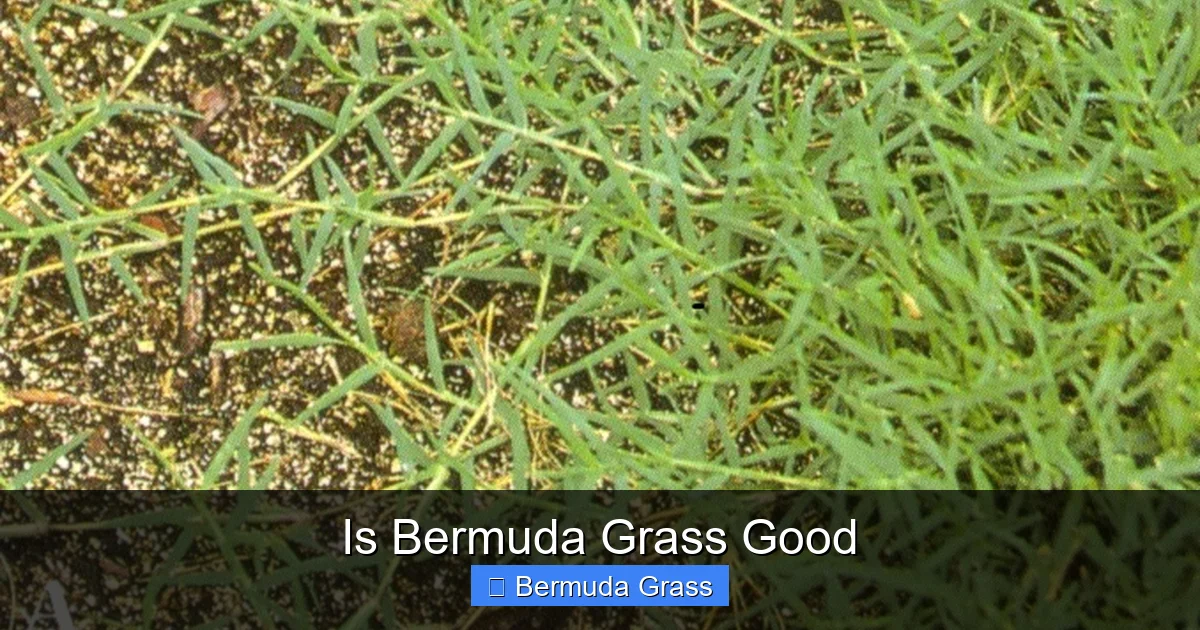
Visual guide about Is Bermuda Grass Good
Image source: hgic.clemson.edu
1. Climate Compatibility
Warm-Season Turf
Bermuda grass thrives in warm temperatures, typically between 75°F and 95°F. It performs poorly in cooler regions, where it may go dormant or turn brown during winter.
Ideal Regions
If you live in the southern United States, such as Florida, Texas, or Southern California, Bermuda grass is an excellent choice. In cooler areas, it might require special care or may not be suitable.
2. Benefits of Bermuda Grass
- Durability: It withstands heavy foot traffic, making it perfect for active families and sports fields.
- Establishment Speed: Bermuda grass spreads quickly via runners, establishing a dense lawn in a short time.
- Heat Tolerance: It handles high temperatures and drought conditions once established.
- Low Maintenance (Once Established): While it requires regular upkeep, mature Bermuda lawns can endure some neglect.
3. Maintenance Tips for Bermuda Grass
mowing
Keep your Bermuda grass at a height of about 1 to 2 inches for optimal health. Regular mowing encourages dense growth and prevents weeds.
watering
Water deeply once or twice a week, depending on weather conditions. Avoid shallow, frequent watering, which can weaken roots.
fertilization
Apply a nitrogen-rich fertilizer during the active growing season. Follow recommended guidelines to avoid over-fertilizing, which can lead to thatch buildup or disease.
aeration and dethatching
Periodically aerate to improve soil compaction and remove thatch buildup for better nutrient and water absorption.
4. How to Grow Bermuda Grass
Choosing the Right Method
- Sod: Provides instant coverage but is more expensive.
- Seed: Cost-effective but takes longer to establish and requires proper soil prep.
- Plugs or Sprigs: A middle ground between seed and sod, suitable for patching or establishing new lawns.
Preparation
Start with soil testing to determine pH and nutrient levels. Bermuda grass prefers a soil pH between 5.8 and 7.0. Amend soil as needed with lime or fertilizer.
Planting
- For seed: Sow in late spring or early summer when soil temperatures are above 65°F.
- For sod or plugs: Lay immediately after delivery, ensuring good contact with soil.
5. Troubleshooting Common Issues
Yellowing or Brown Patches
This can be due to drought stress, over-fertilization, or disease. Ensure proper watering and fertilization, and treat diseases promptly.
Invasiveness
Bermuda grass spreads aggressively. Control it in flower beds or unwanted areas by edging or using barriers.
Pest and Disease Control
Common pests include grubs and chinch bugs. Regular inspection and appropriate treatments help keep your lawn healthy.
6. Is Bermuda Grass Good for Your Specific Needs?
Overall, Bermuda grass is excellent for hot, sunny climates, high-traffic areas, and those looking for a low-maintenance yet durable lawn. However, if you live in a cooler climate or prefer a low-growing, shade-tolerant grass, other options like fescue or Zoysia might be better.
Conclusion
In summary, Bermuda grass is a highly durable, heat-tolerant turfgrass that can make a lush, green lawn in suitable climates. It requires regular maintenance, especially during establishment, but offers excellent resilience and a vibrant appearance once mature. Consider your climate, lawn usage, and willingness to maintain when deciding if Bermuda grass is the right choice for you.
With proper care and attention, Bermuda grass can transform your yard into a beautiful, functional outdoor space that lasts for years to come.