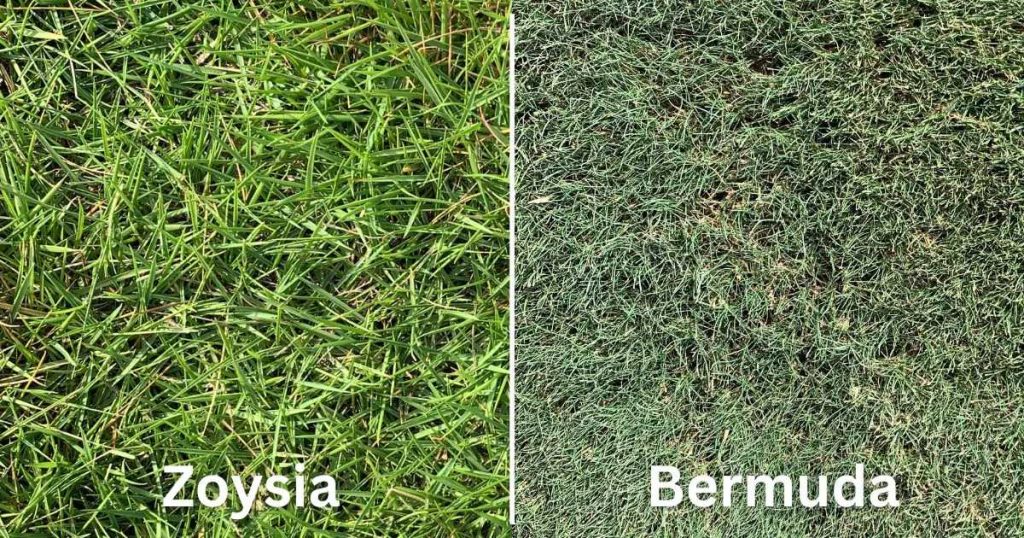
If you’re trying to decide between Zoysia grass and Bermuda for your Texas lawn, the choice can be a game-changer for your outdoor space. Both grasses have their strengths and can thrive in Texas’s unique climate, but knowing which one suits your needs can make all the difference. **Zoysia is known for its lush, slow-growing, and drought-tolerant nature, making it perfect for low-maintenance yards, while Bermuda is a hardy, fast-growing grass that handles heavy foot traffic and thrives in the heat.** Your choice depends on whether you prefer a plush, low-maintenance lawn or a tough, resilient turf that recovers quickly from wear.
If you’re in Texas and debating between Zoysia and Bermuda, consider your lawn’s usage, maintenance preferences, and local conditions. Zoysia tends to be more suitable for those who want a beautiful, low-upkeep yard that tolerates drought well, while Bermuda is ideal for active families needing a durable and quickly regenerating grass. Let’s explore the key differences to help you make the best decision for your Texas home.

Zoysia Grass vs Bermuda in Texas: Which Is Better for Your Lawn?
Understanding the Climate in Texas
Texas has a diverse climate that greatly influences which grass type will thrive best. Most parts of Texas experience hot summers and mild winters, making warm-season grasses popular among homeowners.
Zoysia and Bermuda grass are both well-suited to Texas’s climate, but their specific needs and characteristics differ. Knowing these differences helps you choose the right grass for your yard’s health and appearance.
What Is Zoysia Grass?
Zoysia grass is a slow-growing, dense turfgrass that forms a lush, green carpet. It is highly tolerant of drought and can handle shade better than many other grasses.
This grass species has fine to medium blades, giving lawns a soft, velvety feel. It is often selected for its elegant look and durability.
What Is Bermuda Grass?
Bermuda grass is a fast-growing, resilient warm-season grass. It develops a thick, aggressive turf that can withstand heavy foot traffic and high temperatures.
Bermuda’s blades are coarse and dense, making it perfect for active lawns like sports fields and playgrounds. It’s a popular choice for its quick establishment and aggressive growth.
Growth Rate and Establishment
- Zoysia grass grows slowly. It typically takes longer to establish, often several months to a year, depending on the planting method.
- Bermuda grass spreads rapidly, usually establishing a lawn within a few weeks to a few months after planting.
If you want quick results, Bermuda is ideal. However, patience is key with Zoysia as it takes longer to fill in.
Maintenance and Care
Zoysia Grass Maintenance
- Requires less frequent mowing, usually once a week or less during peak growth.
- Needs less watering once established, making it more drought-tolerant.
- Requires periodic dethatching and aeration for optimal health.
Bermuda Grass Maintenance
- Needs regular mowing, sometimes twice a week during peak growing season.
- Requires consistent watering, especially in dry Texas summers.
- Benefits from frequent fertilization to maintain its dense growth.
**Tip:** Both grasses thrive with proper fertilization and aeration, but Bermuda’s aggressive growth demands more frequent upkeep.
Shade Tolerance
Zoysia performs better in shady areas, tolerating up to 50% shade. It maintains a good color and health under less sunlight.
Bermuda prefers full sun and struggles in shaded spaces. It needs at least 6 hours of direct sunlight daily for the best results.
Durability and Traffic Resistance
Bermuda grass is highly resilient and bounces back quickly from heavy use, making it suitable for high-traffic zones.
Zoysia, while durable, is slightly more sensitive to heavy traffic. It’s better for areas with moderate activity.
Climate Suitability and Cold Tolerance
Bermuda is more cold-sensitive. It may go dormant or turn brown in the cooler months, especially in northern Texas.
Zoysia has better cold tolerance, remaining green longer into the fall and recovering faster in spring.
Pest and Disease Resistance
Bermuda grass can be prone to pests like armyworms and disease issues such as dollar spot.
Zoysia is more resistant to pests and diseases but can still face issues like brown patch or rust if not properly cared for.
Cost and Installation
- Zoysia generally costs more to install, especially if using sod or plugs due to its slower establishment.
- Bermuda is usually less expensive and quicker to establish, making it popular for new lawns.
Careful planning is essential to balance initial costs with long-term maintenance expenses.
Environmental Benefits
Both grasses contribute positively to the environment by reducing runoff and improving air quality.
Zoysia’s drought tolerance means less water usage, conserving resources. Bermuda’s dense growth helps suppress weeds naturally.
Choosing the Right Grass for Your Yard
Consider your specific needs:
- If you want a low-maintenance, shade-tolerant lawn, Zoysia might be best.
- For a lawn that can handle heavy traffic and quick establishment, Bermuda is a solid choice.
Matching the grass type with your yard’s conditions ensures healthier, more sustainable turf.
Related Topics for Better Lawn Planning
- Soil preparation tips for Texas lawns
- Best watering practices for Zoysia and Bermuda
- Seasonal lawn care tips for warm-season grasses
- Identifying and treating common lawn pests and diseases in Texas
Addressing these topics helps create a balanced, thriving lawn that fits your lifestyle and local environment.
Summary of Key Differences
| Feature | Zoysia Grass | Bermuda Grass |
|---|---|---|
| Growth Rate | Slow | Fast |
| Shade Tolerance | Good (up to 50%) | Poor |
| Cold Tolerance | Better | Poor |
| Maintenance | Lower | Higher |
| Cost of Establishment | Higher | Lower |
| Traffic Tolerance | Moderate | High |
This comparison highlights what makes each grass suitable for different needs.
Choosing between Zoysia and Bermuda grass depends on your yard’s conditions and your lifestyle. Both grasses perform well in Texas climate, but their maintenance, appearance, and resilience vary. Consider your priorities, and you’ll find the perfect turf for your outdoor space.
Zoysia Grass vs Bermuda What is Better in Texas
Frequently Asked Questions
How does the climate suitability of Zoysia grass compare to Bermuda grass in Texas?
Zoysia grass thrives in the milder and more shaded areas of Texas, as it tolerates cooler temperatures better than Bermuda grass. Bermuda grass prefers the hot, full sun conditions typical of southern Texas and may struggle during cooler seasons. Therefore, for regions with less intense heat or shaded spots, Zoysia provides a more reliable green lawn. Both grasses are adaptable but require different environmental conditions for optimal growth.
What maintenance differences should I expect between Zoysia and Bermuda grasses in Texas?
Zoysia grass generally requires less frequent mowing and less fertilization compared to Bermuda grass. It grows slowly, which reduces overall maintenance time. Bermuda grass, on the other hand, grows rapidly during its active season, demanding more regular mowing and fertilization to stay healthy. Additionally, Zoysia tends to handle foot traffic and wear better in shaded areas, whereas Bermuda performs best in sunny, high-traffic zones with consistent care.
Which grass type offers better drought resistance in Texas’ climate?
Bermuda grass is more drought-tolerant than Zoysia grass, making it suitable for drought-prone parts of Texas. It quickly recovers from dry spells, especially with proper watering. Zoysia, while somewhat drought-tolerant, prefers moderate watering and may turn brown more readily during extended dry periods. Homeowners should consider their irrigation capabilities and local climate when choosing between the two for drought resilience.
How do Zoysia and Bermuda grasses differ in their appearance and lawn aesthetics?
Zoysia grass provides a dense, fine-textured, lush green appearance with a softer feel underfoot. It maintains a uniform look and adds a touch of sophistication to lawns. Bermuda grass tends to have a coarser texture with a more vibrant, bright green color, creating a lively, energetic look. It is excellent for athletic fields and areas where a vigorous, quick-growing lawn matters most.
What are the germination and establishment times for Zoysia and Bermuda grasses in Texas?
Bermuda grass germinates quickly, often within one to two weeks after planting, and establishes rapidly, making it suitable for quick lawn renovations. Zoysia takes longer to establish, often requiring several months before reaching full coverage. This slower growth means homeowners need patience and an understanding of its longer-term development process, especially in the early stages of lawn establishment.
Final Thoughts
In summary, choosing between zoysia grass vs bermuda in Texas depends on your lawn needs. Zoysia offers shade tolerance and requires less mowing, making it ideal for lower-maintenance lawns. Bermuda thrives in high heat and full sun, providing a dense, green carpet perfect for active use. Consider your climate, desired upkeep, and usage habits before making a decision. Both grasses can create beautiful lawns, but select the one that aligns best with your lifestyle and Texas conditions.