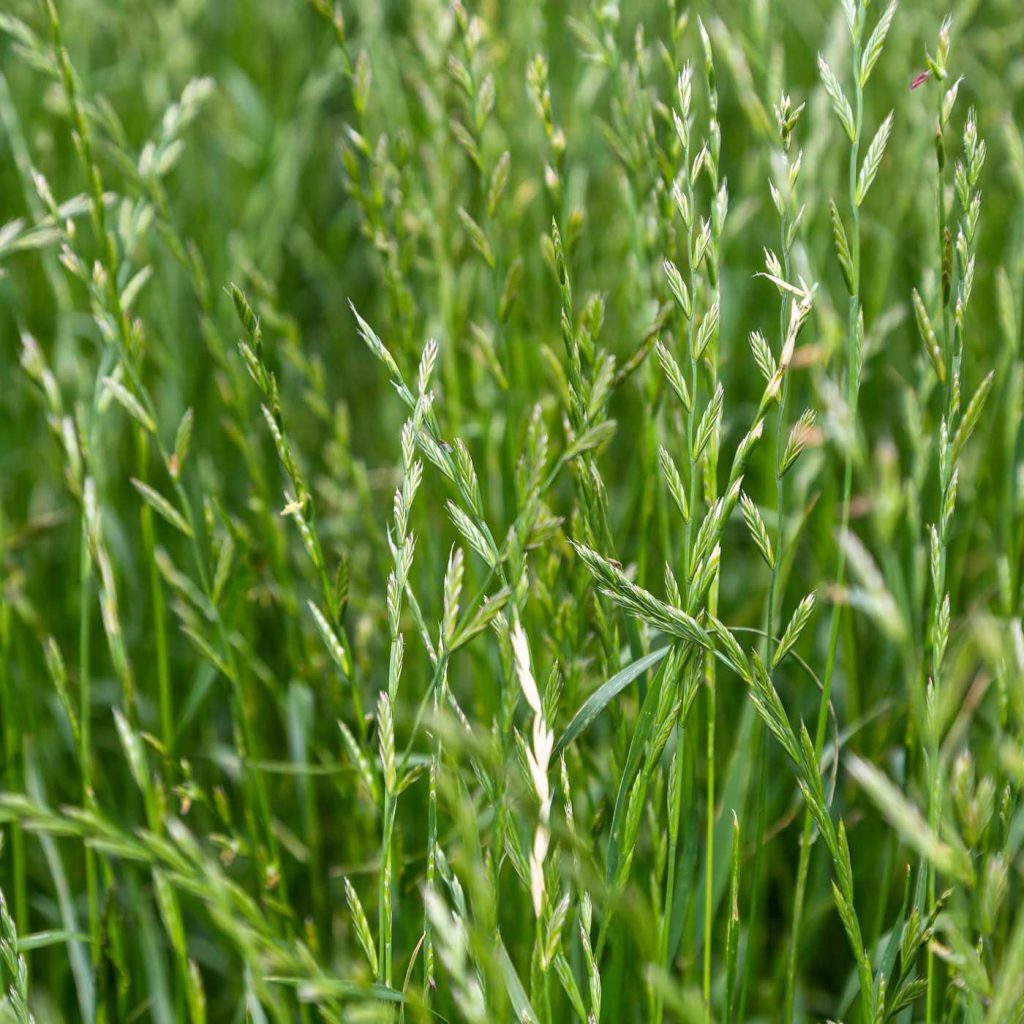
Quick Answer: The best time to seed perennial ryegrass is in early fall or early spring, when temperatures are moderate and the soil is still warm.
Are you looking to enhance your lawn with luscious green grass? If so, perennial ryegrass could be the perfect choice for you. Known for its quick germination and ability to withstand heavy foot traffic, perennial ryegrass can transform a dull lawn into a vibrant oasis. But when is the ideal time to seed this type of grass? Fortunately, you don’t have to search for long, as we have the answer right here!
To ensure successful establishment and strong growth, it is recommended to seed perennial ryegrass in either early fall or early spring. These seasons provide the optimal conditions for the grass seed to germinate and establish a sturdy root system. During this time, temperatures are moderate, and the soil is still warm, creating the perfect environment for germination and growth.
So, if you’re eager to revitalize your lawn with perennial ryegrass, mark your calendar for early fall or early spring, and get ready to enjoy a lush, green lawn throughout the year.

When to Seed Perennial Ryegrass: A Comprehensive Guide
Perennial ryegrass is a popular grass variety known for its hardiness, lush appearance, and ability to tolerate heavy foot traffic. It is commonly used in lawns, sports fields, and other high-traffic areas. If you’re considering seeding perennial ryegrass, timing is crucial for successful establishment and optimal growth. In this article, we will explore the best time to seed perennial ryegrass, factors to consider, and essential steps for ensuring a thriving lawn.
Understanding Perennial Ryegrass Growth Habits
Before diving into seeding schedules, let’s take a moment to understand the growth habits of perennial ryegrass. This cool-season grass has a relatively quick germination rate and establishes rapidly, making it an excellent choice for homeowners seeking quick results. It thrives in regions with cool summers and mild winters. Perennial ryegrass is known for its lush, fine-textured leaves and ability to recover quickly from heavy wear.
Choosing the Right Season to Seed Perennial Ryegrass
The timing of perennial ryegrass seeding largely depends on your location and local climate conditions. However, in general, the two best seasons for seeding perennial ryegrass are spring and fall. Let’s explore each season’s advantages and considerations:
Spring Seeding
Spring is an ideal time to seed perennial ryegrass for several reasons. As temperatures rise, the soil warms up, promoting faster germination. The longer days and increased sunlight also facilitate better growth. Here are some key benefits of spring seeding:
- Optimal soil and air temperatures promote quicker establishment
- Reduced competition from weeds
- Less risk of extreme heat or cold damaging young seedlings
However, spring seeding comes with a few challenges to be mindful of:
- Increased competition with turfgrass weeds, requiring diligent weed control
- Higher water demands due to warmer weather
- Potential for disease pressure with more humid conditions
Fall Seeding
Fall is widely regarded as the best time to seed perennial ryegrass. The milder temperatures and higher rainfall during autumn create favorable conditions for seedling establishment. Here’s why fall seeding is advantageous:
- Cooler weather allows for better seed germination
- Reduced weed competition
- Less water required due to natural rainfall patterns
- Superior root development before winter dormancy
Despite these benefits, there are a few considerations when fall seeding:
- Allowing enough time for seedlings to establish before the first frost
- Controlling diseases that thrive in cool, moist conditions
- Addressing potential competition from leaves and debris falling from deciduous trees
Additional Factors to Consider
In addition to choosing the right season, several other factors can impact the success of your perennial ryegrass seeding:
Soil Temperature
Soil temperature plays a crucial role in seed germination and establishment. Perennial ryegrass prefers soil temperatures between 50°F and 65°F (10°C and 18°C) for optimal growth. Monitoring soil temperature with a soil thermometer can help you determine the best time to seed.
Soil Preparation
Proper soil preparation is vital for ensuring successful establishment of perennial ryegrass. Follow these steps to prepare your soil:
- Remove any existing vegetation or weeds
- Loosen the topsoil to a depth of 4-6 inches
- Amend the soil with organic matter, such as compost, to improve nutrient content and drainage
- Level the soil surface and remove any debris or rocks
Seed Selection
Choosing high-quality grass seed is essential for the long-term success of your lawn. Look for certified, weed-free seed varieties suitable for your region. Perennial ryegrass cultivars that have been bred for improved disease resistance and wear tolerance are often preferred.
Seeding Rate and Method
The recommended seeding rate for perennial ryegrass is typically around 8-10 pounds per 1,000 square feet (4-5 kg per 100 square meters). For better coverage, consider splitting the seed into two applications, sowing half in one direction and the other half perpendicular to the first.
Post-Seeding Care
After seeding, proper care is crucial to ensure successful germination and establishment. Here are some essential steps:
- Water the seeded area lightly but frequently to keep the soil moist
- Avoid excessive watering that could cause runoff or waterlogging
- Mow the grass when it reaches about 3 inches in height
- Apply a starter fertilizer to provide essential nutrients for young seedlings
- Monitor for weeds and address them promptly to minimize competition
By following these steps and tailoring them to your specific climate and lawn conditions, you can achieve a vibrant and thriving perennial ryegrass lawn.
Seeding perennial ryegrass at the right time is crucial for successful establishment and long-term growth. While both spring and fall offer favorable conditions for seeding, fall is generally considered the best season. Factors such as soil temperature, soil preparation, seed selection, seeding rate, and post-seeding care should be taken into account to ensure optimal results. By understanding these key considerations and following best practices, you can enjoy a dense, lush, and resilient perennial ryegrass lawn that enhances the beauty of your outdoor space.
Perennial Ryegrass Pros and Cons
Frequently Asked Questions
What is the best time of year to seed perennial ryegrass?
Perennial ryegrass is best seeded in early fall or spring when temperatures range between 50°F and 65°F (10°C and 18°C). This allows the seeds to establish before extreme weather conditions occur.
Can I seed perennial ryegrass in the summer?
While it is not ideal, it is possible to seed perennial ryegrass in the summer if you take specific precautions. Make sure to provide ample irrigation to keep the soil consistently moist, as summer heat can be detrimental to seed germination and establishment. However, it’s important to note that seeding in cooler seasons generally yields better results.
When should I avoid seeding perennial ryegrass?
It is advisable to avoid seeding perennial ryegrass in the winter months when the ground is frozen or covered with snow. Also, avoid seeding too close to the onset of summer when temperatures are consistently high, as this can hinder germination.
Can I overseed perennial ryegrass into an existing lawn?
Yes, overseeding perennial ryegrass into an established lawn is a common practice. However, it is crucial to ensure the existing grass is cut low and the soil is prepared properly to allow good seed-to-soil contact. Proper watering and maintenance following overseeding are also essential for successful establishment.
How long does it take for perennial ryegrass to germinate?
Perennial ryegrass typically germinates within 7-14 days under optimal conditions. However, various factors like temperature, moisture, and seed quality can influence the germination period. It is important to note that germination may take longer in cooler temperatures.
Can I seed perennial ryegrass in the fall if the weather is expected to be warm?
Seeding perennial ryegrass in the fall when temperatures are higher than the optimal range may result in reduced germination rates. It is generally recommended to wait until temperatures cool down to increase the chances of successful establishment.
Final Thoughts
When to seed perennial ryegrass depends on the climate and the specific needs of your lawn. For cooler climates, the best time to seed is in early fall. The soil is still warm, which promotes germination, and there is less competition from weeds. In warmer regions, spring is a good time to seed perennial ryegrass, as the soil temperature rises. However, avoid seeding during hot and dry summer months. Proper preparation of the soil, regular watering, and maintenance are essential for successful establishment. So, when it comes to seeding perennial ryegrass, consider the timing carefully to ensure a healthy and vibrant lawn.