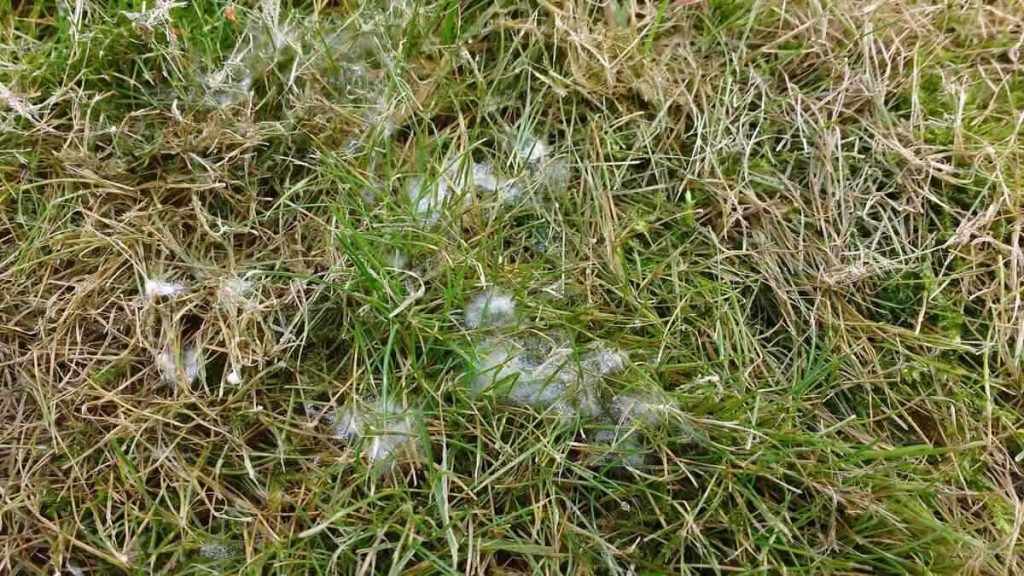
To get rid of gray snow mold on your lawn, the quickest solution is to rake the affected areas to increase air circulation and promote recovery.
Gray snow mold can be a frustrating sight on your lawn after winter, but don’t fret; it’s a common issue that can be managed. This fungal disease typically appears as grayish patches, and while it might look unsightly, your grass can bounce back with the right care. Early treatment is key! By focusing on improving air circulation and reducing moisture, you can help your lawn recover. With a few simple steps, like raking, improving drainage, and adjusting your mowing practices, you can reclaim a healthy, vibrant lawn. Let’s explore the best ways to tackle this unwelcome visitor and ensure your yard is in top shape for the warmer months ahead!

How to Get Rid of Gray Snow Mold on Lawn
Gray snow mold can be a troublesome lawn issue for many homeowners, especially in areas that experience heavy snowfall. This fungus, known scientifically as *Typhula spp.*, typically appears when snow cover melts away and leaves behind unsightly patches on your lawn. Understanding how to effectively manage and eliminate gray snow mold will help you keep your lawn healthy and vibrant.
What is Gray Snow Mold?
Gray snow mold is a fungal disease that thrives in cold, wet conditions, especially under snow cover. It manifests as grayish-white patches on the grass, often appearing fuzzy or matted. This mold flourishes when temperatures hover between 32°F and 50°F and the lawn has a layer of snow or ice covering it.
Identifying Gray Snow Mold
Spotting gray snow mold early can prevent more severe damage to your lawn. Look for:
- Gray or white circular patches on the grass.
- Fuzzy or matted appearance of those patches.
- Grass blades being blighted or dying.
- Presence of a soft mushy texture in affected areas.
If you notice these symptoms, it’s crucial to act quickly.
Causes of Gray Snow Mold
Several factors contribute to the development of gray snow mold:
- Excessive moisture from heavy snowfall or rain.
- Thick layers of snow trapping moisture.
- Poor drainage in your lawn.
- High nitrogen levels in the soil, often from over-fertilizing.
Understanding these causes can help you prevent further outbreaks.
Preventing Gray Snow Mold
Prevention is always better than cure. Here are some tips to keep gray snow mold at bay:
- Rake leaves and debris from your lawn in the fall to improve air circulation.
- Limit nitrogen fertilization in late fall, as high nitrogen promotes mold growth.
- Aerate your lawn to improve drainage and airflow.
- Ensure that your lawn is not too thick; keep it well-mowed before winter.
Implementing these practices can significantly reduce the risk of disease.
Treating Gray Snow Mold
If gray snow mold has already formed in your yard, don’t despair. There are several methods to treat it effectively:
1. Raking
Use a rake to gently remove the gray patches. This will help expose the affected areas to sunlight and air, promoting drying and reducing mold prevalence.
2. Mowing
Mow your lawn to a height of about 2-3 inches. This will help remove any remaining dead grass and create an environment that is less conducive to mold growth.
3. Improve Air Circulation
Ensure adequate airflow over your lawn. You can do this by thinning out dense patches of grass or using a lawn aerator. Aerating creates holes in the soil that help water and nutrients penetrate better.
4. Apply Fungicides
Consider applying a fungicide if the situation seems severe. Products containing propiconazole or chlorothalonil can be effective. Always follow package instructions closely for the best results.
Post-Treatment Care
After treatment, it’s essential to take care of your lawn properly:
- Water your lawn appropriately to ensure it isn’t overly saturated.
- Monitor the lawn for any returning symptoms and act quickly if necessary.
- Fertilize with a balanced fertilizer to restore nutrients in the soil.
Proper aftercare can help your lawn recover faster.
Long-Term Lawn Health
Maintaining the overall health of your lawn can prevent future outbreaks of gray snow mold. Here are some practices to follow:
- Regularly aerate your lawn to prevent compaction.
- Apply compost to enhance soil structure and fertility.
- Keep up with regular lawn maintenance, including mowing and watering.
Taking these steps can keep your lawn resilient against diseases.
When to Seek Professional Help
If you notice persistent gray snow mold despite your best efforts, it may be time to contact a professional. Look for lawn care services that specialize in fungal diseases. They can provide tailored treatments for your specific lawn conditions.
Gray snow mold can be a nuisance, but with the right approach, you can effectively manage and eliminate it from your lawn. By understanding the causes, taking preventive steps, and applying appropriate treatments, you can keep your lawn looking its best. Regular maintenance and care will not only help avoid gray snow mold but also promote a lush, healthy lawn for years to come.
How to Get Rid of Snow Mold [Fungus & Lawn Disease]
Frequently Asked Questions
What are the signs of gray snow mold in my lawn?
Gray snow mold typically appears as patches of gray or tan mold on the grass, often surrounded by a darker ring. You might notice the grass blades wilting or matted down, and the affected areas may have a fuzzy texture. Look for these signs, especially after snow melts or during wet spring conditions.
What preventative measures can I take against gray snow mold?
To prevent gray snow mold, ensure your lawn has proper air circulation by mowing at the recommended height and avoiding excessive watering in the fall. Applying a fungicide in late fall can help protect your lawn. Additionally, raking up fallen leaves and debris can eliminate potential breeding grounds for the mold.
How can mowing affect gray snow mold control?
Mowing your lawn before the onset of winter can significantly affect gray snow mold control. Keeping your grass at the proper height, around 2.5 to 3 inches, allows it to resist mold more effectively. Avoid mowing too short, as this can weaken the grass and make it more susceptible to diseases.
Is it necessary to use fungicides for treating gray snow mold?
Using fungicides is not always necessary for treating gray snow mold, especially if the infection is mild. You can often manage it through proper lawn care practices like aeration, improved drainage, and appropriate mowing. However, for severe cases, applying a targeted fungicide can help in controlling the spread.
When is the best time to address gray snow mold?
The best time to address gray snow mold is during early spring, once the snow has melted and the ground begins to dry. This timing allows for effective treatment and recovery of the lawn. Act promptly to remove affected areas and apply any necessary fungicides to promote healthy growth.
Final Thoughts
To effectively address gray snow mold on your lawn, start by improving air circulation through proper lawn maintenance. Raking the affected areas can help remove debris and promote drying.
Applying a fungicide specifically designed for snow mold can also significantly reduce its presence.
Lastly, regular mowing and ensuring your lawn is healthy will prevent future outbreaks. By following these steps, you’ll know how to get rid of gray snow mold on lawn and maintain a lush, green yard.