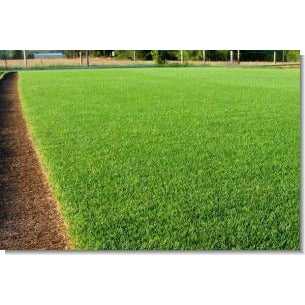
The best time to seed perennial ryegrass is during early fall or early spring when soil temperatures are moderate and conditions are moist. Planting at these times ensures optimal germination and healthy growth throughout the season.
Seeding perennial ryegrass at the right time boosts its chances of establishing quickly and providing a lush, durable lawn or pasture. Generally, early fall (September to October) and early spring (March to April) are ideal, depending on your climate. Timing matters because soil warmth and moisture levels directly influence seed germination and root development. If you seed too early or too late, you risk poor growth or exposure to unfavorable weather. Understanding your local climate and soil conditions helps determine the perfect window for seeding, ensuring your ryegrass thrives and stays vibrant year-round.

When to seed perennial ryegrass
Knowing the right time to seed perennial ryegrass is essential for establishing a healthy, lush lawn or sports field. The timing affects how well the grass grows, how quickly it germinates, and how resistant it becomes to pests and weather changes. Let’s explore the best periods for sowing perennial ryegrass and the factors that influence these timings.
Understanding the growth cycle of perennial ryegrass
Perennial ryegrass is a cool-season grass that thrives in moderate temperatures. Its growth peak occurs in spring and fall, when the weather is neither too hot nor too cold. During these times, seed germination is faster, and the grass establishes more vigorously.
It’s important to recognize that the plant goes through several stages—germination, seedling development, tillering, and maturity. Proper timing ensures each stage occurs under optimal conditions. If seeded during unsuitable weather, the grass may struggle to grow or become weak over time.
Optimal planting periods for perennial ryegrass
Spring (March to May)
Spring is one of the ideal times to seed perennial ryegrass in many regions. Temperatures rise gradually, offering conducive conditions for seed sprouting. Consistent moisture and longer daylight hours support robust root development during this period.
Scheduling seeding in early spring allows the grass to establish before the heat of summer arrives. Keep in mind that soil should be warm enough—ideally above 50°F (10°C)—to promote quick germination.
Fall (September to November)
Fall is another prime season for seeding, especially in areas with harsh winters. The cooler temperatures and increased rainfall create a perfect environment for seedling growth.
Planting in early fall provides ample time for the grass to develop strong roots before winter dormancy begins. This results in a healthier, more resilient lawn in spring.
Factors affecting seedling success
Soil temperature and moisture levels
Soil temperature plays a crucial role in seed germination. For perennial ryegrass, ideal soil temperatures are between 50°F and 75°F (10°C and 24°C). Below this range, germination slows or stops altogether.
Consistent soil moisture is equally important. Too dry, and the seeds won’t sprout; too wet, and they risk rotting or developing disease. Maintaining even moisture levels helps achieve optimal germination rates.
Climate considerations
Your local climate influences the best seeding times. Regions with mild springs and falls are more suited for seeding during these periods. Hot, dry summers or cold, snowy winters may extend or restrict planting windows.
For instance, in warmer climates, early spring or late fall seeding is preferable, while cooler regions may have longer windows during spring and autumn.
Timing tips for successful perennial ryegrass seeding
- Seed during periods with daytime temperatures averaging around 60°F to 75°F (15°C to 24°C).
- Avoid seeding when the soil is too wet or too dry to prevent seed rot or poor germination.
- Check local weather forecasts to avoid planting just before a heatwave or heavy rainstorm.
- Ensure the soil is prepared properly with good drainage and aeration for better seed-to-soil contact.
Soil preparation for optimal germination
Proper soil conditions
For the best results, soil should be well-drained, loose, and rich in nutrients. Remove weeds and debris before seeding to reduce competition.
Testing soil pH helps, as perennial ryegrass prefers a pH between 5.5 and 7.0. Adjustments can be made with lime or sulfur to reach this range if necessary.
Seedbed preparation
Raking or tilling the soil creates a smooth, firm seedbed.
Lightly watering the soil before seeding ensures moisture is available immediately after planting. Covering the seeds lightly with soil or peat moss improves germination and protects against birds or wind.
Seeding methods and best practices
Choosing the right seed rate
Typically, use about 20 to 25 pounds of seed per acre for a dense, healthy lawn. For smaller areas, adjust proportionally.
Applying seed evenly using a broadcast spreader helps achieve uniform coverage. Over-seeding can also be done in patches or trouble spots for reinforcement.
Timing for overseeding versus new lawns
Overseeding is best done during the optimal seeding periods—spring and fall—when conditions favor quick germination.
For new lawns, follow the same timing, ensuring soil is prepared correctly and weather is suitable for seed establishment.
Monitoring and care after seeding
Watering schedules
Keep the soil consistently moist until the grass is established. Light, frequent watering is preferable to deep, infrequent sessions.
Reduce watering as the grass matures but avoid letting the soil dry out completely.
Managing weeds and pests
Early weed control helps prevent competition for nutrients. Use appropriate herbicides if needed but avoid harming new seedlings.
Regular inspections ensure pests and diseases don’t damage young grass. Proper watering and fertilization strengthen plant resilience.
Summary of optimal seeding timing
| Region | Best Seeding Periods |
|---|---|
| Temperate Climates | Early Spring and Fall |
| Cooler Regions | Late Summer to Early Fall |
| Warmer Areas | Early Spring and Late Fall |
| Hot/Dry Climates | Early Spring with irrigation, or late Fall |
Additional considerations for successful seeding
- Plan ahead: avoid seeding during extreme weather conditions.
- Check local frost dates to time planting just before the last frost in spring or after the first frost in fall.
- Use quality seed and proper techniques for the best chance of success.
In conclusion, understanding your local climate, soil conditions, and seasonal weather patterns will help determine the best times to seed perennial ryegrass. Proper timing combined with thorough preparation leads to a healthy, vibrant turf that can withstand weather challenges and foot traffic, providing an attractive and functional outdoor space.
Perennial Ryegrass Pros and Cons
Frequently Asked Questions
What is the ideal time of year to plant perennial ryegrass?
Perennial ryegrass generally establishes best when seeded during the cooler months of spring or early fall. These periods provide moderate temperatures and sufficient moisture, which promote healthy germination and root development. Avoid planting during the peak of summer or winter, as extreme temperatures can hinder growth and reduce seedling survival rates.
How do seasonal temperatures affect the timing of seeding perennial ryegrass?
Temperatures play a crucial role in the success of seeding perennial ryegrass. Seeds sprout optimally when soil temperatures range between 50°F and 65°F (10°C to 18°C). Planting during periods with these temperatures ensures quick germination and strong establishment. Too hot or too cold conditions can delay germination or damage young seedlings, so monitoring local climate trends helps determine the best timing.
Can I seed perennial ryegrass in late summer or early winter?
Seeding in late summer can be successful if you plant early enough to allow seedlings to establish before the heat intensifies. Ensure that the soil remains moist and that temperatures are not excessively high. Early winter seeding may work in milder climates, but in regions with harsh winters, seeds might not germinate properly or could be damaged by frost. It’s best to assess your local climate conditions to decide the optimal timing.
What soil conditions are best for seeding perennial ryegrass at the right time?
Choose well-draining soil with a neutral pH that warms up adequately before seeding. Prioritize times when the soil temperature reaches at least 50°F (10°C) to promote germination. Ensure the soil has been properly prepared, leveled, and cleared of debris, as these conditions support rapid establishment when seeding at the appropriate season.
How does soil moisture influence the timing of planting perennial ryegrass?
Consistent soil moisture is vital for successful germination and seedling growth. The best time to seed is when the soil has adequate moisture from recent rainfall or irrigation, which typically coincides with spring or fall. Planting when the soil is too dry can hinder germination, while overly wet conditions may lead to fungal problems or seed rot. Regular watering after planting helps ensure optimal moisture levels during the critical establishment period.
Final Thoughts
Seeding perennial ryegrass is best during early fall or spring when soil temperatures are moderate. This timing ensures healthy germination and strong growth.
Soil preparation and proper watering are key to successful seeding.
When to seed perennial ryegrass directly impacts the lawn’s vitality and resilience. Focus on these optimal periods for best results.