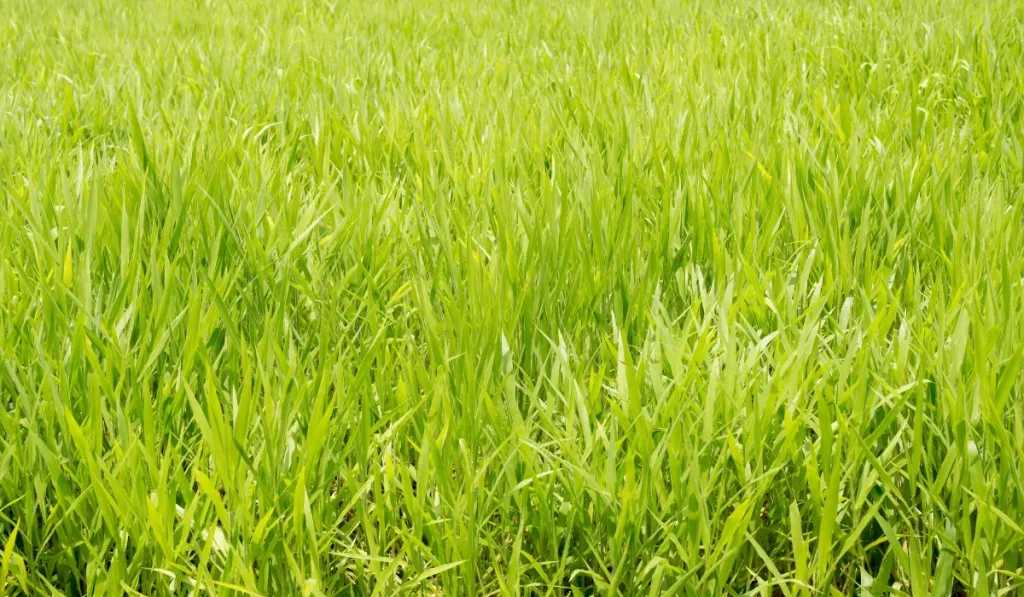
Yes, perennial ryegrass does come back every year, making it a popular choice for lawns and sports fields alike. This grass type is known for its durability and resilience, thriving season after season with proper care. Its ability to regrow annually is what makes it so attractive to homeowners and landscapers seeking a lush, green yard without replanting each year.
Perennial ryegrass is a tough, cool-season grass that greens up quickly and stays lush through multiple seasons. It is a true perennial, meaning it naturally regrows from the root system annually. With minimal maintenance, this grass can provide a vibrant, dense lawn that lasts year after year, making it an excellent option for those wanting a reliable, evergreen look.
If you’re wondering whether perennial ryegrass will return each spring, the answer is yes — provided it’s given the right conditions and care. This grass is designed to survive cold winters and grow vigorously in cooler months. Its ability to come back annually makes it a favorite for quick-established lawns and areas requiring resilient turf. However, factors like soil health, watering, and mowing habits play a role in ensuring its consistent comeback each year, so attentive care will keep your ryegrass thriving season after season.

Does Perennial Ryegrass Come Back Every Year? A Complete Guide
Understanding Perennial Ryegrass and Its Growth Cycle
Perennial ryegrass is a popular choice for lawns, sports fields, and landscaping because of its quick growth and lush appearance. This grass is called “perennial” because it lives for more than two years, but many people wonder, does it truly come back every year? The answer is yes, but understanding how and why it does is important for proper lawn care.
Perennial ryegrass grows in cycles tied to seasons. During spring and fall, it tends to grow most vigorously. In summer, it may slow down or go dormant if the heat is very high. Its ability to come back annually depends on several factors like climate, soil health, and maintenance practices.
Perennial Ryegrass’s Nature: Is It Truly Perennial?
Perennial ryegrass is a hardy grass that naturally survives year after year. Its roots can extend deep into the soil, helping it endure different weather conditions. As long as the grass is healthy and environmental conditions are favorable, it will continue to grow each spring and fall.
This grass is known for its rapid germination. Seeds can sprout within just five to ten days after planting. Once established, it forms a dense turf that can withstand foot traffic and regular use. This makes it a top choice for lawns that require year-round greenery.
How Perennial Ryegrass Survives Winter
One of the key reasons it comes back annually is its ability to tolerate winter cold. In regions with mild winters, perennial ryegrass often remains green and active throughout the entire year. In colder climates, it may go dormant during harsh winter months but will reemerge in spring.
Dormancy is a natural survival strategy. During this period, the grass conserves energy in its root system, ready to grow again once temperatures rise. Proper winter care, such as aeration and fertilization, can help ensure it bounces back quickly.
Factors That Influence Its Annual Return
Several factors determine if perennial ryegrass will come back year after year. These include climate, soil quality, watering habits, and mowing practices.
- Climate: Mild climates favor a continuous cycle of growth, making it more likely for the grass to come back every year. Extremely hot or cold regions may cause dormancy or damage.
- Soil Condition: Well-drained, nutrient-rich soil supports healthy root development, which is crucial for perennial growth.
- Watering: Consistent watering encourages strong roots and resilient grass. Overwatering or drought can weaken the plant.
- Mowing: Regular, moderate mowing promotes dense growth and prevents the grass from becoming too tall and vulnerable.
Optimal Maintenance for Yearly Return of Perennial Ryegrass
To ensure your perennial ryegrass comes back every year, you should follow proper lawn care routines. This includes fertilization, aeration, and weed control.
Fertilization
Applying a balanced fertilizer in early spring and fall boosts root growth and overall health. Look for fertilizers high in nitrogen for lush green color. Avoid over-fertilizing as it can lead to weak, spindly grass.
Aeration and Soil Care
Aerating the lawn helps improve soil drainage and oxygen flow to roots. It reduces soil compaction, making it easier for the grass to access nutrients and water. This supports perennial growth year after year.
Watering Best Practices
Water deeply but infrequently to encourage deep root growth. During dry spells, watering twice a week should suffice. Overwatering can cause fungal issues, so monitor soil moisture levels regularly.
Seasonal Challenges and How to Overcome Them
While perennial ryegrass is resilient, certain seasonal challenges can affect its comeback. Addressing these issues promptly can ensure it remains healthy.
Summer Heat and Drought
High temperatures can cause stress, making the grass go dormant. Mulching and adequate watering can help it retain moisture and stay green longer.
Winter Cold
In colder regions, covering your lawn with mulch can offer some protection. Also, avoid heavy foot traffic during dormancy to prevent root damage.
Pest and Disease Management
Pests like chafer beetles and diseases such as rust or brown patch can weaken the grass. Regular inspections and appropriate treatments are essential for longevity.
Comparing Perennial Ryegrass With Other Lawn Types
Understanding how perennial ryegrass stacks up against other grasses can help you decide if it’s right for your yard.
| Feature | Perennial Ryegrass | Bermuda Grass | Fescue |
|---|---|---|---|
| Life Cycle | Perennial, comes back every year | ||
| Climate Suitability | Cool to temperate climates | ||
| Growth Rate | Fast germination and growth | ||
| Maintenance | Moderate, needs regular mowing and fertilization | ||
| Durability | High, tolerates traffic well |
Related Topics for Further Reading
You might also be interested in topics like overseeding for thicker lawns, soil testing tips, or seasonal lawn care routines. These practices enhance the chances of perennial ryegrass thriving year after year.
Common Myths and Facts About Perennial Ryegrass
Many myths surround perennial ryegrass, such as it only survives in specific climates or needs constant watering. The truth is, with proper care, it is adaptable and resilient in a wide range of conditions.
It is also false that perennial ryegrass cannot withstand drought; it can, with proper drought-tolerant practices and soil preparation. Understanding these truths can help you make informed decisions for lawn care success.
Final Thoughts on Perennial Ryegrass Returning Annually
In most cases, with suitable environmental conditions and proper maintenance, perennial ryegrass will come back every year. Its ability to endure winter dormancy and withstand foot traffic makes it a favorite among homeowners and landscapers. Regular care, attention to soil and watering, and seasonal adjustments ensure your lawn remains lush and vibrant year after year.
By understanding these factors, you can make the most of perennial ryegrass’s natural qualities and maintain a beautiful, healthy yard.
Perennial Ryegrass Pros and Cons
Frequently Asked Questions
Does perennial ryegrass regenerate naturally each growing season?
Perennial ryegrass naturally regrows every year from its persistent root system. When conditions are favorable, it actively spreads and fills in bare spots, ensuring a lush, green lawn without replanting each season.
How well does perennial ryegrass tolerate seasonal changes?
Perennial ryegrass handles seasonal changes effectively, especially in cooler climates. It remains active during spring and fall, quickly recovering from winter dormancy, which helps maintain a healthy, continuous lawn year after year.
Can proper lawn care extend the lifespan of perennial ryegrass?
Yes, consistent lawn maintenance significantly prolongs the life of perennial ryegrass. Regular mowing, watering, aeration, and fertilization promote healthy growth, enabling the grass to come back vigorously each year and sustain a vibrant appearance.
What role do soil conditions play in perennial ryegrass’s yearly comeback?
Healthy soil provides essential nutrients and proper drainage, which are crucial for perennial ryegrass’s ability to bounce back annually. Amending the soil and addressing compaction issues help the grass recover faster and maintain its perennial nature.
Are there specific climates where perennial ryegrass thrives as a perennial?
Perennial ryegrass performs best in regions with moderate temperatures and consistent moisture. It thrives in cool, moist environments, which support its perennial growth habit and ensure it comes back reliably each year.
Final Thoughts
Perennial ryegrass is a popular choice for lawns due to its quick growth and lush appearance. It thrives in various climates and requires regular maintenance to stay healthy.
Does perennial ryegrass come back every year? Yes, it does. This grass type is perennial, meaning it naturally regrows each spring after winter dormancy. Proper care ensures a vibrant, green lawn year after year.