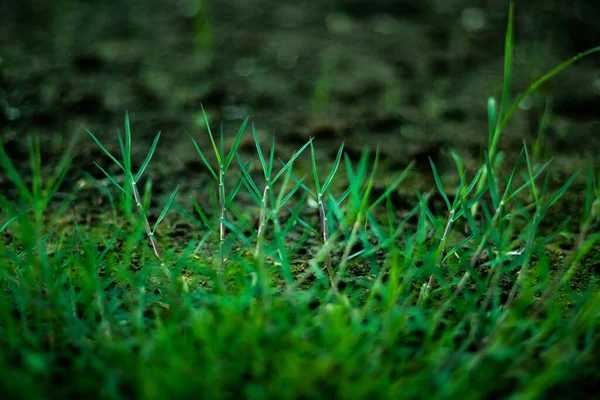
The best time to seed Bermuda grass in Georgia is from late spring to early summer, typically between late April and June, when soil temperatures warm up enough for optimal germination. Getting your Bermuda grass seeding right can turn your lawn into a lush, green paradise, but timing is everything to ensure successful growth.
In a nutshell, the ideal time to seed Bermuda grass in Georgia is during late spring when soil temperatures are consistently above 65°F. This period allows the grass to establish strong roots before the heat of summer sets in. Planning your seeding around these months maximizes germination and growth, giving you a vibrant, resilient lawn all season long.
If you’re wondering when to seed Bermuda grass in Georgia, it’s crucial to consider the region’s warm climate and seasonal shifts. Typically, late April through June offers the perfect window for seeding, as the soil warms sufficiently for the grass to take root and grow quickly. Seed too early, and the cold nights might hamper germination; seed too late, and the grass may not establish before the intense summer heat. Keep an eye on local weather patterns, soil temperature, and upcoming frosts to choose the best planting window. Proper timing not only promotes healthy growth but also helps your lawn develop a dense, weed-resistant cover that will thrive throughout Georgia’s hot summers.

When to Seed Bermuda Grass in Georgia
Understanding the Climate and Growing Seasons in Georgia
Georgia has a warm climate with hot summers and mild winters, making it ideal for Bermuda grass. The weather pattern influences the best time to plant Bermuda grass, which thrives in full sun and warm temperatures. Knowing the local climate helps determine the optimal seeding period for healthy growth.
Optimal Timing for Seeding Bermuda Grass
The best time to seed Bermuda grass in Georgia is during late spring to early summer, typically from late April through June. This period offers consistent warmth, which is crucial for seed germination and root development. Planting during this window allows the grass to establish before the hotest months arrive.
Why Spring is the Ideal Seeding Season
Spring provides longer daylight hours and increasing temperatures, which stimulate germination. Soil temperatures in Georgia during late April to early June average between 65°F and 75°F, ideal for Bermuda seed sprouting. This timing also allows the grass to develop strong roots before the heat of summer.
Avoiding Late Summer and Fall Seeding
Seeding in late summer or fall is less favorable because cooler soil temperatures and shorter days can hinder germination. Seeds planted too late may not establish properly before winter, risking poor growth or frost damage. It’s best to avoid seeding after September in Georgia.
Factors Influencing Seed Germination and Growth
Several environmental factors impact when Bermuda grass seeds sprout successfully. These include soil temperature, moisture levels, and sunlight availability. Proper understanding and management of these elements ensure a successful seeding process.
Soil Temperature Considerations
Bermuda grass seeds germinate best when soil temperatures reach at least 65°F. Regularly check soil temperatures in your area using a soil thermometer to determine the right time for planting. Consistent warmth supports speedy germination and healthy development.
Moisture and Watering Needs
Adequate moisture in the soil is essential during the germination period. Water the seeded area lightly but frequently to keep the soil consistently damp. Avoid overwatering, which can lead to fungal issues or seed rot.
Sunlight and Space Requirements
Bermuda grass requires full sun—at least six hours of direct sunlight daily. Ensure the planting area receives ample sunlight for optimal growth. Also, provide enough space for the grass to spread and establish a dense, lush lawn.
Preparing the Soil for Seeding
Proper soil preparation enhances seed-to-soil contact and promotes vigorous growth. Begin by testing soil pH and amending it as needed to reach a range of 6.0 to 7.0, which is ideal for Bermuda grass.
Soil Testing and Amendments
Use a soil testing kit to check pH levels and nutrient content. Add lime if the pH is too low or sulfur if it’s too high. Incorporate organic matter or compost to improve soil texture and water retention.
Land Clearing and Leveling
Remove existing weeds, grass, or debris from the planting area. Use a rake or rototiller to loosen the soil and create a level surface. Proper leveling prevents water pooling and ensures even seed distribution.
Seeding Methods and Techniques
Choosing the right seeding method can influence germination success. You can opt for traditional broadcast seeding or use specialized seed spreaders for better coverage.
Seeding by Hand or Broadcast
Scatter Bermuda seeds evenly across the prepared soil, then lightly rake them into the surface. This ensures good seed-to-soil contact, vital for germination.
Using a Seed Spreader
For larger areas, a seed spreader offers more uniform distribution. Follow the manufacturer’s instructions for adjusting the spread rate and coverage area.
Post-Seeding Care
After planting, press the seeds gently into the soil with a roller or a piece of plywood. Water immediately after seeding to settle the soil and initiate germination.
Maintaining Your Bermuda Grass Lawn After Seeding
Proper care in the weeks following seeding helps ensure successful establishment. Focus on watering, mowing, and fertilizing strategies that support healthy growth.
Watering Schedule for Seedlings
Keep the soil consistently moist for the first four to six weeks. Water lightly two to three times daily, especially during dry spells, until the grass is well-established.
Mowing and Trimming Tips
Begin mowing when the grass reaches about two inches tall. Use a sharp blade and set your mower to remove no more than one-third of the grass height to avoid stress.
Fertilizing Techniques
Apply a balanced, slow-release fertilizer after the grass has germinated and established. Follow the recommended application rates to promote vigorous growth and dense turf.
Common Challenges and Solutions When Seeding Bermuda Grass
Growing Bermuda grass may present challenges like pests, weeds, or uneven germination. Address these issues promptly to maintain a healthy, lush lawn.
Pest and Disease Control
Monitor your lawn regularly for signs of pests or disease. Use appropriate, environmentally friendly treatments to manage infestations without harming young grass.
Weed Management
Prevent weeds from competing with Bermuda grass by maintaining a dense turf and applying pre-emergent weed control if necessary. Remove weeds manually to avoid disturbing new seedlings.
Dealing with Poor Germination
If germination is uneven or weak, reseed affected areas in the following spring. Ensure soil conditions are optimal and that watering practices are adequate.
Additional Tips for Successful Bermuda Grass Seeding in Georgia
Timing is just one part of successful seeding. Incorporate these additional tips to improve your outcomes.
Use Quality Seeds
Select certified Bermuda grass seed suited to your climate. High-quality seeds have better germination rates and produce a thicker, more resistant turf.
Maintain Consistent Care
Stick to a regular watering, mowing, and fertilizing schedule. Consistency ensures strong root development and a vibrant lawn.
Monitor Soil and Weather Conditions
Keep an eye on weather forecasts and soil health. Adjust watering and care routines based on changing conditions to support seedling growth.
Long-term Lawn Maintenance
Once established, Bermuda grass requires regular maintenance like aeration and overseeding to keep it thick and healthy. Proper ongoing care prevents weeds and disease.
Related Topics
- Best fertilization practices for Bermuda grass in Georgia
- Watering techniques for young Bermuda lawns
- Dealing with pests and weeds in Bermuda grass
- Seasonal lawn care tips for Georgia homeowners
By planting Bermuda grass during the right season and following these detailed care tips, you can create a lush, healthy lawn that thrives through Georgia’s warm weather. Proper timing, soil preparation, and ongoing maintenance are key to a successful seeding experience.
When to Seed Bermuda Grass?
Frequently Asked Questions
What are the ideal months to plant Bermuda grass in Georgia?
The best time to seed Bermuda grass in Georgia is from late spring to early summer, typically between April and June. Planting during this period allows the grass to establish roots during warm weather, ensuring healthy growth throughout the season.
How does the local climate affect the seeding schedule for Bermuda grass in Georgia?
Georgia’s warm climate extends the planting window for Bermuda grass. However, it’s essential to wait until soil temperatures consistently reach about 65-70°F. Seeding too early in cooler soil can hinder germination, so monitoring local weather patterns helps determine the optimal planting time.
Is it advisable to seed Bermuda grass in Georgia during the fall?
Seeding Bermuda grass in the fall is generally not recommended in Georgia because the cooler temperatures and shorter days may prevent proper germination and establishment. For best results, aim for late spring or early summer planting when conditions favor quick growth and strong root development.
What signs indicate that the soil is ready for Bermuda grass seeding in Georgia?
Look for soil temperatures around 65-70°F and consistent warm weather. Additionally, ensure the soil is well-drained, loose, and free of weeds. These conditions support healthy seed germination and help Bermuda grass establish more effectively.
How long should I wait after the last frost before planting Bermuda grass in Georgia?
You should wait until after the danger of the last frost has passed, which usually occurs in late March or early April in Georgia. Waiting until soil temperatures are stable and the weather warms up helps improve seed germination rates and promotes healthy growth.
Final Thoughts
when to seed bermuda grass in georgia depends on warm soil temperatures and mild weather. The best time is late spring or early summer, typically from late April to June. This timing ensures proper germination and growth before the heat of summer intensifies. By planting during this period, you give your bermuda grass the best chance to establish a healthy, dense lawn. Being mindful of these timing guidelines helps you achieve a lush, resilient yard in Georgia.