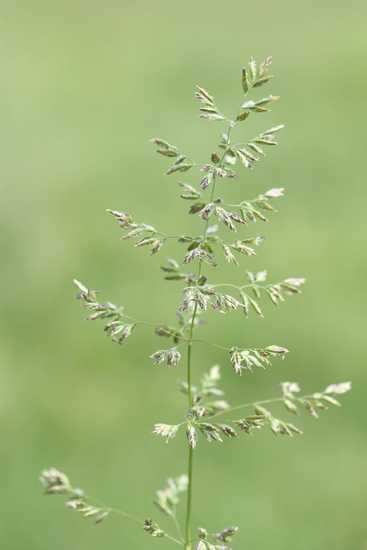
The best time to plant Kentucky bluegrass in spring is early to mid-April, once the soil has warmed up and there’s no more risk of frost. Getting your grass in the ground during this window ensures healthy growth and a lush, green lawn all season long.
Planting Kentucky bluegrass in spring is ideal when daytime temperatures hover between 60°F and 75°F, and the soil temperatures reach at least 50°F. This gives the grass the perfect conditions to establish roots before the heat of summer sets in. Early spring, around April, is generally the best period, especially after the last frost date, allowing your new turf to flourish. Timing is key to ensure that your Kentucky bluegrass develops strong roots and resists weeds and droughts throughout the year.

When to Plant Kentucky Bluegrass in Spring: A Complete Guide
Understanding the Growth Cycle of Kentucky Bluegrass
Kentucky bluegrass is a cool-season grass that thrives during the cooler months of the year. It begins to grow actively when spring temperatures rise steadily and the soil warms up. Knowing its growth cycle helps determine the best time to plant in spring.
During early spring, the grass is still dormant, especially if the weather has been cold. As temperatures range between 60°F and 75°F, Kentucky bluegrass starts to emerge from dormancy and grow vigorously. The timing of planting should correspond with these temperature shifts.
In the late spring, the grass enters its prime growing period. It produces healthy roots and lush foliage, making it an ideal time for planting. Proper timing ensures the young grass develops a strong root system before the heat of summer arrives.
Ideal Soil Conditions for Spring Planting
Planting Kentucky bluegrass in spring requires well-prepared soil. The soil should be loose, fertile, and well-draining to support healthy root development. Conduct a soil test to check pH levels, aiming for a range of 6.0 to 7.0.
Before planting, loosen the soil to a depth of about 4 to 6 inches. Remove any debris, rocks, or weeds that could hinder seed growth. Incorporating organic matter or compost can enhance soil fertility and moisture retention.
Proper soil preparation encourages quicker germination and stronger seedling growth. It also helps prevent problems like disease and drought stress later in the season.
Timing: Best Months to Plant Kentucky Bluegrass in Spring
Knowing the optimal months for planting is essential for success. Typically, the best window for planting Kentucky bluegrass spring is from late March to late April, depending on your local climate.
In regions with early springs, planting can start as soon as soil temperatures reach approximately 50°F. In cooler climates, wait until soil consistently stays above this temperature to ensure germination and growth.
Planting too early may result in seeds rotting or failing to sprout if the soil is too cold. Conversely, planting too late shortens the growing season, which might affect the lawn’s overall health and density.
How to Determine the Right Timing Based on Climate
Climatic factors greatly influence planting times for Kentucky bluegrass. In areas with mild, short winters, planting can begin earlier in spring. In colder regions, wait until the risk of frost has passed.
Use local frost date data to avoid planting when frosty nights are still possible. For example, if the last expected frost date is around mid-April, plan to plant a week or two afterward.
Gardeners can also monitor soil temperature using a thermometer inserted a few inches into the ground. When soil temperature stabilizes at or above 50°F, it is a good indication that planting can proceed.
Preparing Your Lawn for Spring Seeding
Before seeding, prepare your lawn thoroughly. Mow the existing grass short, ideally to about 2 inches. Raking helps remove dead grass, weeds, and debris, creating a clean surface for seed contact.
Core aeration can improve soil aeration and water penetration, encouraging seed germination. Fertilize lightly with a balanced fertilizer to provide essential nutrients right before planting.
If your soil has compacted, consider using a garden fork or aerator to loosen it further. Proper preparation increases seed-to-soil contact and overall success of the planting process.
Choosing the Right Kentucky Bluegrass Seed for Spring Planting
Select high-quality seed varieties suited for your region and climate. Look for certified seed with a high germination rate and purity percentage.
Opt for cultivars that are disease-resistant and drought-tolerant, especially if your spring weather is unpredictable. Blends containing other cool-season grasses like creeping red fescue can enhance resilience.
Check seed packaging for specific planting instructions, including recommended seeding rates. Using the right seed ensures healthy growth and a dense, lush lawn.
Seeding Techniques for Spring Planting
Apply seeds evenly across the prepared soil, either by hand or with a spreader. Use approximately 1 to 2 pounds of seed per 1000 square feet for new lawns.
Next, lightly rake the seeds into the soil to improve soil contact. Covering the seeds with a thin layer of straw or mulch helps retain moisture and protects against birds.
Water the seeded area gently but thoroughly. Keep the soil consistently moist through regular, light watering to promote germination.
Watering: Key to Successful Spring Planting
Consistent moisture is crucial when planting Kentucky bluegrass in spring. Water lightly and frequently, about once or twice daily, until the seeds germinate.
Once seedlings establish, gradually reduce watering frequency but increase the depth of each session. Aim for about 1 inch of water per week, including rainfall.
Avoid overwatering, which can cause seed rot or fungal diseases. A watering schedule that keeps the soil moist but not waterlogged is ideal.
Monitoring Growth and Maintenance After Planting
Inspect your lawn regularly for signs of sprouting and healthy growth. It typically takes 14 to 21 days for Kentucky bluegrass seeds to germinate.
As the grass develops, gradually reduce watering frequency while increasing the depth of watering sessions. Mowing can begin once the grass reaches 3 inches in height.
Fertilize with a balanced, slow-release fertilizer about six weeks after germination to promote strong root growth. Keep weeds at bay with timely, gentle weed control measures.
Common Challenges and How to Avoid Them
Spring planting can face issues like poor germination or weed competition. Choosing high-quality seed and preparing the soil properly helps minimize these problems.
Ensure proper soil moisture and avoid planting during frosty conditions for better seed survival. Using mulch or straw can deter weeds and conserve moisture.
Monitor for pests or diseases, and address issues early by applying appropriate treatments. Regular care and patience lead to a healthy, dense Kentucky bluegrass lawn.
Related Topics for Spring Lawn Success
- Topsoil and Soil Testing Tips
- Best Fertilizers for Kentucky Bluegrass
- Spring Lawn Aeration and Its Benefits
- Controlling Weeds in Cool-Season Lawns
- Tips for Drought-Resistant Lawns in Spring
By timing your planting correctly and following proper techniques, you set the stage for a lush and vibrant Kentucky bluegrass lawn. Spring offers an excellent opportunity to establish a resilient and beautiful turf if you pay attention to soil conditions, timing, and ongoing care.
When To Seed Kentucky Bluegrass?
Frequently Asked Questions
What considerations should I make before planting Kentucky bluegrass in spring?
Before planting Kentucky bluegrass in spring, evaluate your local climate and soil conditions. Ensure the soil has warmed sufficiently, typically to around 55°F (13°C), to promote healthy germination. Choose a time when the threat of frost has passed to give the grass the best start. Additionally, prepare the soil by testing its pH and nutrient levels, and amend it if necessary for optimal growth.
How do I determine the ideal timing for planting Kentucky bluegrass in spring in my region?
The best time to plant Kentucky bluegrass in spring varies depending on your geographic location. Generally, aim to seed when daytime temperatures consistently reach 60-70°F (15-21°C) and the soil warms up. In most areas, this occurs between late March and early May. Monitor local weather forecasts and soil temperatures to identify the most suitable planting window.
What signs indicate that the soil is ready for Kentucky bluegrass planting in spring?
Look for soil temperatures that have stabilized above 55°F (13°C) and are consistent for a week or more. The soil should be workable and moist but not overly wet or muddy. Clear the area of any debris, and perform a simple test by moistening the soil and making a ball with your hand—if it holds together without excess water, it’s ready for seeding.
Are there advantages to planting Kentucky bluegrass early in the spring season?
Planting early in spring allows the grass to establish roots before the heat of summer or the cold of winter sets in. It gives Kentucky bluegrass ample time to develop a healthy root system, resulting in a thicker, more resilient lawn. However, planting too early might risk frost damage, so always consider local climate conditions before proceeding.
How can I prepare my lawn site for spring planting of Kentucky bluegrass?
Start by removing any dead grass, weeds, or debris from the area. Loosen the soil with tillage or aeration to improve aeration and water penetration. Test and amend the soil as needed to adjust pH and nutrient levels. Level the surface and ensure good drainage. Proper site preparation creates an optimal environment for seed germination and healthy growth.
Final Thoughts
The best time to plant Kentucky bluegrass in spring depends on the soil temperature. Aim to plant when daytime temperatures stay between 60-75°F (15-24°C). This typically occurs from late March to early May, depending on your climate.
Planting early ensures the grass establishes well before hot summer months. Avoid sowing too early when the soil is still too cold or waterlogged.
When to plant Kentucky bluegrass spring hinges on soil warmth and weather conditions. Proper timing leads to healthy, resilient turf.