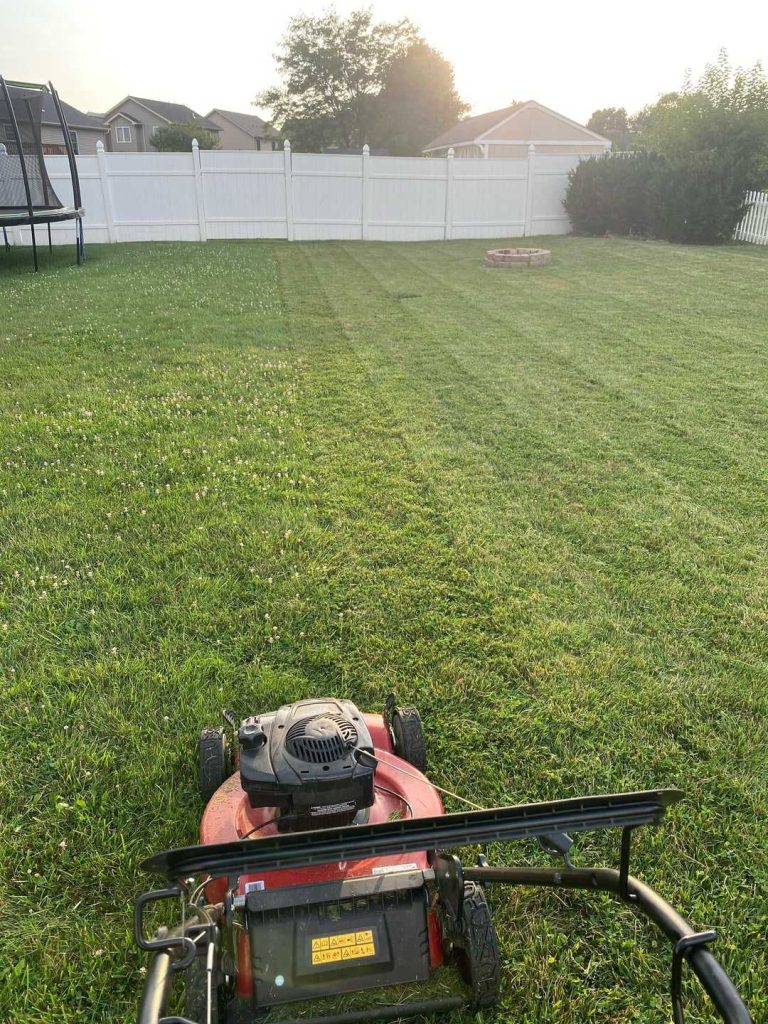
The best time to mow after overseeding Kentucky bluegrass is usually once the new grass has grown enough to reach about 2 to 3 inches in height, which typically takes around three to four weeks. Mowing too early can damage the delicate new seedlings, while waiting too long can lead to an overcrowded, unhealthy lawn. For a healthy, lush Kentucky bluegrass lawn, patience is key—allow the new seedling to establish a strong root system before giving it a gentle trim. Keep your mower blades sharp and set to a higher setting initially, gradually lowering as the grass matures. By timing your mowing just right, you’ll promote even growth and ensure your overseeded lawn looks vibrant and well-maintained.
If you’re overseeding Kentucky bluegrass, wait until the new grass reaches about 2-3 inches before mowing, which generally takes 3-4 weeks. Ensure the grass is sturdy enough to handle mowing without damage, and mow with sharp blades at a higher setting initially. Patience and proper mowing practices will lead to a healthy, thriving lawn.
Starting a lawn overseeding project can feel like a gamble—will your efforts pay off? One crucial step is knowing exactly when to mow after overseeding Kentucky bluegrass to support healthy growth. Mowing too soon can uproot fragile seedlings, while waiting too long can make your lawn look uneven and unkempt. Ideally, once the new grass reaches 2-3 inches in height, it’s time to mow gently. This usually happens three to four weeks after overseeding, depending on weather conditions and grass growth rate. Proper timing ensures the seedlings are established enough to handle mowing, encouraging denser, more resilient turf. By paying attention to these details, you’ll be well on your way to a lush, beautiful Kentucky bluegrass lawn that stands the test of time.

When to Mow After Overseeding Kentucky Bluegrass
Understanding Kentucky Bluegrass Growth Stages
Kentucky bluegrass is a popular cool-season grass known for its lush, dense appearance. When you overseed, the new grass seeds take time to sprout and develop strong roots. Recognizing the different growth stages helps determine the right time to mow.
Initially, the new grass will emerge as tiny seedlings appearing through the soil. These seedlings are fragile and require gentle care. As they grow, they enter a juvenile stage before becoming mature enough for mowing.
The critical point is to wait until the new Kentucky bluegrass reaches a height of about 2 to 3 inches. This height indicates the grass has established enough to withstand mowing without damage. If you mow too early, you risk pulling out young seedlings and delaying root development.
Timing the First Mow: How Long Should You Wait?
Most experts recommend waiting at least 3 to 4 weeks after overseeding before the first mow. However, this timeframe can vary depending on weather conditions, soil temperature, and seed type.
Ensure the grass has grown uniformly across the overseeded area and that the seedlings are approximately 2 inches tall before mowing. Waiting for these conditions helps promote healthy growth and prevents damage to delicate seedlings.
Temperature also plays a role. Ideally, mow when daytime temperatures are between 60 and 75 degrees Fahrenheit. Cooler temperatures support steady growth and reduce the stress on new grass.
Preparing Your Lawn for the First Mow
Before mowing, inspect the overseeded area carefully. Look for uniform grass coverage and verify that seedlings are at least 2 inches tall.
Use a sharp mower blade set to a height of about 2.5 to 3 inches for the first mow. Cutting too low can stress the young grass and lead to scalping, which damages the roots.
Remove any debris, sticks, or clippings that could obstruct a smooth mow. If the soil is wet, wait until it dries to avoid compacting the soil or creating uneven cuts.
Tips for a Safe and Effective First Mow
- Keep the mower blades sharp to make clean cuts.
- Mow during dry weather to prevent clumping and uneven cutting.
- Use a gentle, steady pace to avoid pulling out seedlings.
- Never mow more than one-third of the grass height at a time.
How Mowing Frequency Changes Over Time
After the initial mow, you will need to adjust your mowing schedule as the grass matures. Typically, Kentucky bluegrass should be mowed weekly during peak growing seasons.
During spring and fall, when growth is more vigorous, mowing may occur twice a week. In contrast, during hot summer months, growth slows, and mowing every 10 to 14 days may be sufficient.
Maintaining the correct mowing height is essential. For mature Kentucky bluegrass, a height of 2.5 to 3 inches is optimal for healthy roots and drought resistance. Consistent mowing habits will establish a lush, even lawn.
Impact of Mowing on Overseeded Kentucky Bluegrass
Mowing too early or too low can negatively affect the survival and appearance of overseeded grass. Cutting the grass below 2 inches can expose seedlings to stress, sunburn, and weed invasion.
On the other hand, proper mowing encourages thicker, healthier turf. It promotes dense roots and reduces pest problems, creating a vibrant lawn.
Maintaining consistent mowing height also helps the grass develop resilience and improves its ability to recover from foot traffic or drought conditions.
Additional Factors That Influence Mowing Schedule
Several environmental and maintenance factors can impact when to mow after overseeding:
Weather Conditions
Cold, wet weather delays growth, requiring you to wait longer before mowing. Warm, sunny days promote quicker seedling development.
Soil Health and Fertilization
Healthy soil with proper nutrients accelerates seedling growth. Apply a fertilizer formulated for new lawns about 2 weeks after overseeding to support growth.
Watering Practices
Consistent watering encourages germination and healthy growth. Keep the soil moist but not waterlogged until seedlings are well established.
Grass Clipping Management
Remove grass clippings regularly but avoid heavy thatch buildup. Well-maintained clippings can provide nutrients but should not smother young seedlings.
Related Topics to Consider
To ensure the best results after overseeding Kentucky bluegrass, consider the following related practices:
- Aeration: Helps improve soil compaction and enhances seed-to-soil contact.
- Topdressing: Applying a thin layer of soil or compost can improve seed germination.
- Irrigation: Proper watering schedules support healthy seedling development.
- Weed Control: Prevent weeds from competing with new grass by applying pre-emergent herbicides at appropriate times.
Best Practices for Maintaining a Healthy Overseeded Lawn
Adopt a consistent mowing routine aligned with the grass’s growth. Aim to never cut more than one-third of the grass height at each mowing session.
Adjust your mowing height gradually if necessary. Never remove more than 0.5 inches of grass at once, especially in the beginning.
In addition, regular lawn deep watering and fertilization support vigorous growth, making your overseeded Kentucky bluegrass resilient and attractive.
Common Mistakes to Avoid When Mowing After Overseeding
Avoid mowing too early, which can damage tender seedlings. Also, refrain from cutting too low, known as scalping, which stresses the new turf.
Never skip mower blade sharpening. Dull blades tear grass and can promote disease.
Lastly, don’t forget to adjust your mowing height seasonally to match growth patterns and environmental conditions.
With patience and proper care, mowing at the right time and height ensures your overseeded Kentucky bluegrass develops into a dense, healthy, and beautiful lawn. Remember, gentle handling during this critical period encourages strong roots and helps your grass thrive long-term.
When To Mow New Grass after Overseeding and First Mow
Frequently Asked Questions
How soon can I mow my lawn after overseeding with Kentucky bluegrass?
You should wait until the newly overseeded areas develop strong, healthy seedlings that stand at least 3 inches tall. Typically, this takes about 3 to 4 weeks depending on weather conditions and watering practices. Mowing too early can damage young seedlings, so it’s best to wait until they are well-established.
What is the ideal height to cut Kentucky bluegrass after overseeding?
After overseeding, maintain the mower height at about 2 to 2.5 inches. This height helps protect the young grass while promoting healthy growth. As the new seedlings mature, gradually lower the mower height to around 1.5 to 2 inches for optimal lawn density.
What signs indicate that it’s safe to mow the overseeded Kentucky bluegrass?
Look for signs such as a dense, green carpet of grass and new growth that feels firm when lightly touched. When the seedlings are at least 3 inches tall and have established a strong root system, it is safe to begin mowing. Avoid mowing if the grass is still sparse or very delicate.
Are there any precautions I should take before mowing new Kentucky bluegrass?
Before mowing, ensure the grass is dry to prevent clumping and damage. Use a sharp mower blade to make clean cuts, and set the mower to a higher setting initially. Also, avoid mowing more than one-third of the grass height at a time to minimize stress on the new growth.
How can I maintain my lawn after mowing post-overseeding to encourage good growth?
After mowing, continue regular watering to support the healthy development of the new grass. Fertilize lightly to provide essential nutrients and keep foot traffic minimal on the new sections until they are fully established. Proper maintenance helps the overseeded Kentucky bluegrass grow thick and resilient.
Final Thoughts
Pour terminer, il est essentiel de connaître le bon moment pour tondre après le sursemis du Kentucky bluegrass. Attendez d’abord que le nouvel herbe ait atteint environ 3 à 4 pouces de haut. Attendez ensuite que la pelouse soit bien développée et résistante. Quand to mow after overseeding kentucky bluegrass, adoptez une hauteur de coupe progressive pour favoriser la croissance saine. Suivez ces conseils pour assurer une pelouse dense et saine.