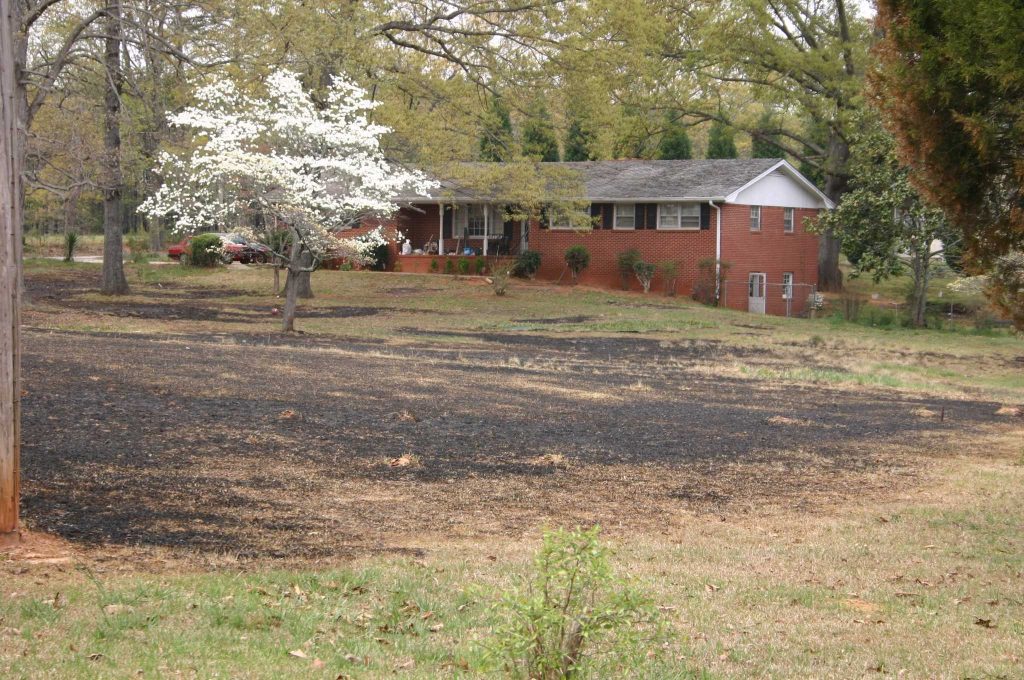
The best time to burn Bermuda grass is during the late winter or early spring, ideally when the grass is dormant but before new growth starts. Burning is most effective when the weather is calm, dry, and cool, helping to control weeds and promote healthy turf renewal.
In short, burning Bermuda grass is best done before the grass begins to green up in spring, typically in late winter or early spring, under safe weather conditions. Timing is crucial to ensure safety and maximize benefits, such as weed control or managing thatch buildup.
Burning Bermuda grass can be an effective way to clear out old, dead material and stimulate fresh growth, but it must be done thoughtfully and at the right time to avoid damage. Knowing the optimal season and weather conditions is key to safely using fire as a land management tool. During late winter or early spring, when the grass is still dormant and the weather is suitable, fire can rejuvenate your yard, prevent pest buildup, and improve soil health—all while reducing the risk of uncontrolled wildfires.

When to Burn Bermuda Grass: A Complete Guide
Knowing the right time to burn Bermuda grass is crucial for maintaining a healthy and vibrant lawn. Fire can be an effective tool to clear dead grass, control pests, and promote new growth, but timing is everything. In this guide, we will explore exactly when and how to burn Bermuda grass safely and effectively.
Understanding Bermuda Grass and Its Growth Cycle
Bermuda grass is a warm-season grass that thrives in hot climates. It goes through several growth phases during the year, which influence the best timing for burning. Recognizing these phases helps you plan your burn for optimal results.
Growth Phases of Bermuda Grass
- Spring Transition: The grass begins to grow actively as temperatures warm up.
- Peak Growth: Usually from late spring to summer, Bermuda grass is lush and vigorous.
- Dormancy Period: During cooler months, typically fall to winter, growth slows down or stops.
Why Timing Matters
Burning during the right growth phase ensures that the grass recovers quickly and remains healthy. Burn too early or too late, and you risk damaging the grass or encouraging weeds to take over.
Ideal Time to Burn Bermuda Grass
The safest and most effective time to burn Bermuda grass is during its active growth period in late spring or early summer. This is when the grass has fully greened up, and moisture levels are adequate for controlled burning.
Spring to Early Summer
This period, typically from late April through June, offers the best balance of warmth, moisture, and grass vitality. The grass’s lushness allows it to recover quickly from the burn.
Consider Climate Conditions
- Temperature: Burns should be done when temperatures are warm but not excessively hot, ideally between 70°F and 85°F.
- Humidity: Moderate humidity helps control fire spread and keeps the burn manageable.
- Rainfall: Recent rain or moisture in the soil is beneficial, preventing the fire from igniting dormant or overly dry grass.
Seasonal Considerations for Burning Bermuda Grass
Spring
Spring offers favorable conditions with increasing temperatures and ample moisture. Burning at this time helps remove winter dead material and stimulates new, healthy growth.
Summer
Early summer is also suitable if the weather remains dry and warm. However, avoid burning during peak heat or drought conditions, which can cause unnecessary stress to the grass.
Fall and Winter
Burning in fall or winter is generally discouraged because the grass may be dormant and more prone to damage or slow recovery. Additionally, cooler and wetter conditions can make burning dangerous and ineffective.
Safety Precautions Before Burning Bermuda Grass
Before lighting any fire, take proper precautions to ensure safety and compliance with local regulations:
- Check local laws: Burning may require permits or have restrictions in your area.
- Inspect weather conditions: Avoid windy days or periods of high fire danger.
- Clear the area: Remove debris, leaves, and other flammable materials around your lawn.
- Notify neighbors: Inform nearby residents about your planned burn to avoid misunderstandings.
Preparation Steps for a Safe and Effective Burn
- Gather equipment: Firebreak tools, hoses, and water sources should be ready to control the fire if needed.
- Plan your burn area: Establish clear boundaries and firebreaks to contain the fire.
- Choose the right time of day: Early morning or late afternoon offers cooler temperatures and better control.
Managing the Burn Process
During the burn, monitor the fire closely and be prepared to extinguish it if it becomes uncontrollable. Use water or fire extinguishers to put out any stray sparks or flames.
Post-Burn Care
After burning, water the area to help the grass recover quickly. You may also consider aerating or overseeding to promote dense, healthy turf.
Common Mistakes to Avoid When Burning Bermuda Grass
- Burning too early or too late: This can harm the grass and lead to poor recovery.
- Neglecting safety procedures: Always prioritize safety to prevent accidents.
- Ignoring weather forecasts: Unexpected changes in weather can turn a controlled burn into a wildfire.
Alternative Lawn Management Techniques
If burning is not feasible or permitted in your area, consider alternative methods such as aeration, overseeding, or chemical weed control to maintain Bermuda grass health.
Benefits of Properly Timed Burning
- Removes thatch and dead material: Improves soil health and airflow.
- Controls pests and weeds: Reduces populations that thrive in old grass.
- Stimulates new growth: Encourages lush, green turf.
- Enhances fire safety: Reduces excess fuel, lowering wildfire risk.
Summary
Burning Bermuda grass is most effective when done during late spring to early summer, when the grass is actively growing, and weather conditions are suitable. Proper planning, safety measures, and timing ensure that burning benefits your lawn without causing damage or safety hazards.
Remember that every lawn is different, and local regulations may influence when and how you can safely perform a burn. Always consult with local authorities or fire officials before proceeding with any controlled burn.
Should you burn your BERMUDA GRASS LAWN?
Frequently Asked Questions
What seasonal conditions are best suited for burning Bermuda grass?
The ideal time to burn Bermuda grass is during late winter or early spring when the grass is dormant. Burning during these cooler months helps remove accumulated debris and promotes healthy growth as the weather warms up. Avoid burning during hot, dry summer periods to prevent the risk of wildfires and stress on the grass.
How does weather influence the timing of burning Bermuda grass?
Before burning, ensure the weather forecast predicts low wind speeds, high humidity, and no rain in the coming hours. Calm, moist conditions reduce the chance of the fire spreading uncontrollably. Typically, early mornings or late afternoons with stable weather create the safest conditions for controlled burns.
What signs indicate it’s appropriate to burn Bermuda grass in the spring?
You can consider burning Bermuda grass in spring once the grass has turned brown and the dry thatch layer has built up sufficiently. This usually occurs after the last frost and when the weather reliably stays warm and dry. This timing allows the burn to effectively remove dead material and stimulate new growth.
Is it advisable to burn Bermuda grass before or after fertilization?
It is generally better to burn Bermuda grass before applying fertilizer in early spring. Burning clears away debris and thatch, enabling the nutrients from the fertilizer to reach the soil more effectively. Avoid burning immediately after fertilization to prevent any potential damage to the grass from the heat of the fire.
How long should I wait after burning Bermuda grass before reseeding or overseeding?
Wait at least a few weeks after burning to allow the soil to recover and for new grass growth to establish. Typically, it takes around 3 to 4 weeks for the soil to stabilize and for you to see new shoots. This waiting period helps ensure a healthier and more even turf when reseeding or overseeding.
Final Thoughts
Understanding when to burn bermuda grass is essential for maintaining a healthy lawn. The best time to burn is during late winter or early spring when the grass is dormant. This practice helps reduce thatch buildup and promotes new growth. Always ensure fire safety measures are in place and check local regulations before proceeding. Burning bermuda grass at the right time enhances lawn health and prevents pests.