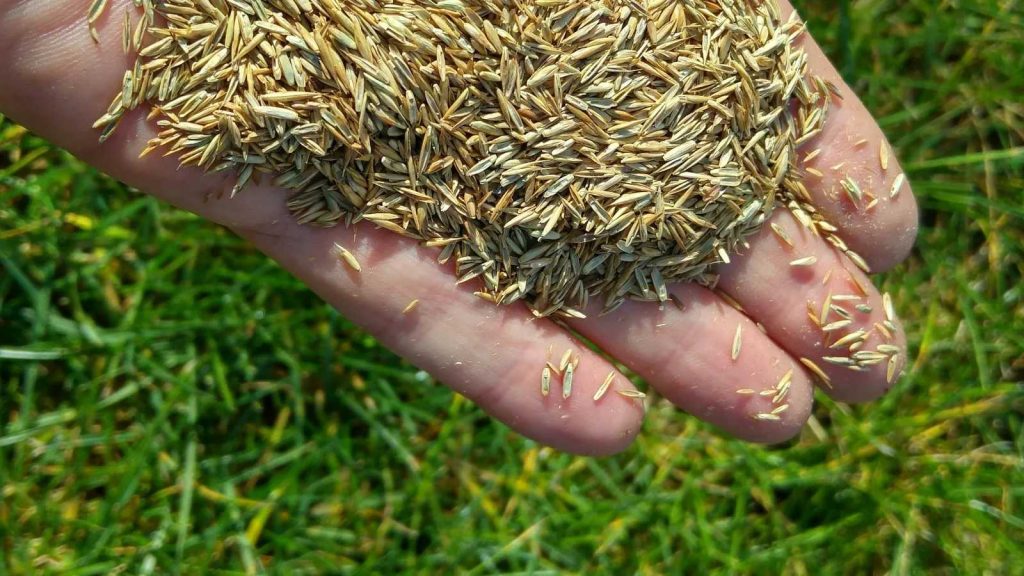
The best time to seed Bermuda grass is during late spring to early summer when soil temperatures are consistently warm. This ensures optimal germination and healthy growth, giving you a lush, green lawn in no time. For most climates, planting between late April and early July yields the best results, especially when the soil temperature hits around 65-70°F.
In short, seed Bermuda grass in late spring or early summer, ideally when soil temperatures are warm and the risk of frost has passed. Proper timing helps the grass establish quickly and thrive throughout the warmer months.
If you’re eager to have a vibrant, resilient lawn, timing is everything. Bermuda grass thrives in warm weather, so planting at the right moment can make all the difference. Starting your seeding process when the soil warms up not only encourages faster germination but also ensures your new lawn will be hardy and lush all season long. Don’t wait too long into summer, as extremely hot and dry conditions can hinder growth; aim for late spring or early summer for the best results. With proper timing, your Bermuda grass will flourish, providing a beautiful, durable lawn you can enjoy year-round.

When Should I Seed Bermuda Grass? A Complete Guide to Timing Your Planting
Understanding the Growth Cycle of Bermuda Grass
Bermuda grass is a warm-season grass that thrives in hot weather. It typically begins to grow actively when soil temperatures reach around 65 to 70°F. Knowing this growth cycle helps gardeners determine the best seeding time for healthy establishment.
Bermuda grass has a warm-season nature, meaning it responds best to planting during late spring and early summer. During these periods, soil warmth encourages rapid germination and strong root development. Seeding outside this window may result in poor growth or uneven coverage.
Ideal Time Frame for Seeding Bermuda Grass
The optimal time to seed Bermuda grass is from late spring to early summer. Usually, this is between **mid-May to early June** in most regions with warm climates. In cooler areas, wait until soil temperatures regularly reach **70°F or higher**.
Seeding too early in spring or late in fall might lead to seed failure because of unsuitable temperatures and moisture levels. The goal is to plant when the soil is warm and moisture is sufficient but not excessively wet.
Factors Influencing the Best Seeding Period
Several elements affect the ideal seeding time for Bermuda grass. These include the local climate, soil temperature, rainfall patterns, and the specific Bermuda grass variety.
In regions with mild winters and hot summers, you can often seed earlier in spring. Conversely, cooler zones should wait until late spring or early summer. Consistent soil temperatures and adequate moisture are essential for successful germination.
Why Timing Matters for Bermuda Grass Seeding
Timing impacts seed germination, growth rate, and overall lawn quality. Seeding too early risks cold damage and slow germination, while planting too late can limit the growing season and result in weak establishment before winter.
Proper timing ensures the grass has enough warmth and sunlight to establish strong roots before the heat of midsummer. Correct timing also allows the grass to develop resilience against weeds, pests, and disease.
How to Measure Soil Temperature for Seeding
Checking soil temperature is essential before planting Bermuda grass. Use a reliable soil thermometer and take readings at planting depth, about 1 to 2 inches below the surface.
Insert the thermometer in multiple spots across the planting area to get an accurate average temperature. Keep in mind that soil temperature can vary depending on weather conditions, so monitor it regularly for a few days.
Best Practices for Seeding Bermuda Grass at the Right Time
1. Prepare the soil well in advance by removing weeds, rocks, and debris. Loosen the soil to improve seed contact and drainage.
2. Test soil pH levels; Bermuda grass prefers a pH between 5.8 and 7.0.
3. Apply a starter fertilizer high in phosphorus to promote root growth.
4. Once soil temperatures are consistently above 65°F, spread Bermuda grass seed evenly.
5. Cover the seed lightly with a thin layer of soil or compost to protect it from birds and ensure good seed-to-soil contact.
6. Water lightly but frequently to keep the soil moist during germination.
Post-Seeding Care and Timing Adjustments
Even after planting at the right time, ongoing care influences success. Keep the lawn watered regularly during germination, usually for the first two weeks. Avoid heavy foot traffic until the grass is well established.
If your region experiences unseasonal weather, such as unseasonably cold nights or unexpected heavy rain, consider delaying planting. Adjust your seeding schedule based on weather forecasts and soil conditions for the best outcomes.
Seeding Bermuda Grass in Different Climates
Climates with warm, consistent weather allow for a longer seeding window, typically from late spring to midsummer. In areas with cooler temperatures or irregular rainfall, it’s best to wait until soil conditions are ideal.
In desert or arid regions, early spring or late fall might be suitable, provided soil moisture is adequate. Always consider local weather patterns and consult with local lawn care experts for precise timing.
Summary Table of When to Seed Bermuda Grass in Various Regions
| Region | Optimal Seeding Time | Soil Temperature Range |
|---|---|---|
| Southern United States | Late April to Early July | 65°F to 75°F |
| Midwest | Mid-May to Mid-June | 65°F to 70°F |
| Northern Regions | Late May to Early June | 65°F and above |
| Arid Areas | Late Spring, when soil moisture is sufficient | 65°F and above |
Additional Tips for Successful Bermuda Grass Seeding
– Always perform soil tests to optimize pH and nutrient levels.
– Use high-quality seed for better germination rates.
– Keep the soil evenly moist during the initial weeks.
– Avoid seeding during extreme heat or when heavy rain is forecasted.
– Plan your seeding schedule around your area’s typical climate patterns for best results.
By paying close attention to soil temperatures, weather conditions, and proper preparation, you can ensure Bermuda grass seeds have the best chance to grow into a lush, healthy lawn. Timing your seeding correctly is a key step toward enjoying a vibrant, green yard for years to come.
Seeding Bermuda Lawns and Zoysia Lawns
Frequently Asked Questions
What is the optimal time of year to start seeding Bermuda grass?
The best time to seed Bermuda grass is during late spring to early summer when soil temperatures reach around 65-70°F (18-21°C). At this temperature range, the grass germinates quickly and establishes successfully. Seeding too early in cooler soil conditions can slow germination, while planting too late may not give the grass enough time to develop before the heat of summer or cooler fall temperatures set in.
How does soil temperature influence when I should plant Bermuda grass seed?
Soil temperature plays a crucial role in Bermuda grass seed germination. The grass requires warm soil to sprout effectively. When soil temperatures are consistently between 65-70°F (18-21°C), seed germination occurs within 7-14 days. If you plant when soil is cooler, germination will delay, increasing the risk of poor establishment. Monitoring local soil temperatures helps you choose the best planting window for healthy growth.
Can I seed Bermuda grass in the fall, or is spring the better season?
Generally, spring offers better conditions for seeding Bermuda grass because soil and air temperatures are rising, promoting quick germination and establishment. Seeding in the fall can be risky because cooler temperatures may delay germination, and young grass could struggle to establish before winter arrives. However, if you live in a warmer climate with mild winters, you can consider fall seeding, but it’s essential to time it carefully and ensure proper care.
What signs indicate that it is the right time to seed Bermuda grass?
Look for soil temperatures consistently between 65-70°F (18-21°C) and air temperatures above 80°F (27°C). Additionally, ensure that the weather forecast predicts warm, stable conditions with no heavy rains that might wash away the seed. These signs suggest that conditions are suitable for Bermuda grass to germinate and establish successfully.
Final Thoughts
Seeding Bermuda grass depends on your local climate and the season. For optimal growth, plant in late spring or early summer when soil temperatures reach around 65-70°F. This timing ensures the grass establishes well before colder weather sets in.
Knowing when should I seed Bermuda grass helps achieve a lush, healthy lawn. Typically, the best window is late spring through early summer for most regions, providing the warmth and sunlight needed for strong growth.