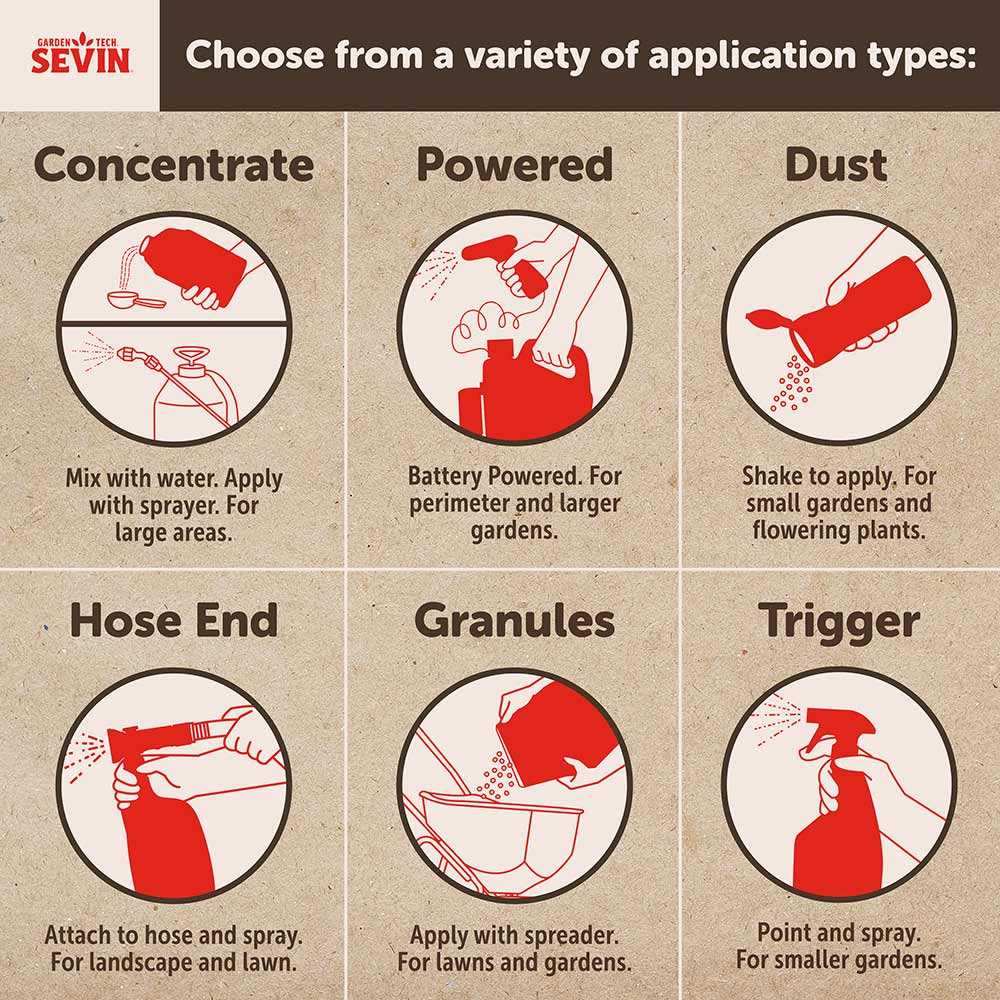
To effectively apply lawn insect granules, evenly distribute the granules over your lawn using a broadcast or drop spreader, then water the area thoroughly to help the granules penetrate the soil and activate the insecticide. For best results, apply when pests are most active and follow the manufacturer’s dosage instructions.
Applying lawn insect granules is a straightforward but critical step in keeping your yard pest-free. Start by choosing the right product for your specific pest problem, then use a spreader to distribute the granules uniformly across your lawn. Make sure to wear protective gear and follow the recommended application rates. After spreading, water your lawn well to help the granules reach the soil and begin working. Timing is key—applying during the pests’ active periods, usually in the early morning or late evening, yields the best results. With proper application, you can enjoy a healthy, pest-free lawn all season long.

How to Apply Lawn Insect Granules Effectively
Applying lawn insect granules correctly is essential for controlling pests and maintaining a healthy, lush yard. This process might seem simple, but several key steps ensure the product works as intended. Proper application helps protect your lawn from insects like grubs, chinch bugs, or armyworms.
Preparing Your Lawn Before Applying Granules
Before putting insect granules down, it’s important to prepare your lawn properly. First, mow your grass to a shorter height, which helps the granules reach the soil surface more easily. Clearing debris such as leaves, twigs, and thatch improves uniform coverage and absorption.
Make sure the soil is slightly moist but not soaked. Light watering a day before application can enhance granule effectiveness. Avoid applying on very dry or extremely wet lawns, as this can hinder the granules’ ability to stick and penetrate the soil.
Choosing the Right Insect Granules for Your Lawn
Selecting the correct granules depends on the specific pests affecting your lawn. Read the label carefully to identify the pests targeted by the product. Look for formulations containing active ingredients like imidacloprid, bifenthrin, or carbaryl, which are effective against common lawn insects.
Also, consider the size of your lawn, as larger areas may require different quantities or application equipment. Opt for products labeled as safe for residential lawns and suitable for the grass type you have.
Tools Needed for Application
Applying granules efficiently requires the right tools.
- Drop or rotary spreader: To distribute granules evenly across the lawn
- Measuring cup or scale: For precise measurement of the amount needed
- Garden glove and mask: To handle chemicals safely
- Watering hose or sprinkler: To activate the granules after application
Using a quality spreader ensures uniform coverage, reducing the risk of missed spots or over-application.
Step-by-Step Guide to Applying Lawn Insect Granules
Follow these steps for effective application:
- Read and follow the manufacturer’s instructions carefully to determine the correct amount
- Fill your spreader with the recommended amount of granules
- Adjust the spreader settings according to the size of your lawn and granule specifications
- Walk slowly and steadily across your lawn, moving the spreader in a pattern that covers the entire area without overlapping
- Pay special attention to problem areas where pests are most active
Ensure that the granules are distributed evenly for maximum pest control efficacy.
How to Apply Granules for Different Lawn Sizes
For small lawns, a handheld or small broadcast spreader works well. Just pour the granules into the hopper and walk back and forth over the yard. For larger lawns, a walk-behind spreader provides faster and more uniform coverage.
If your lawn is very large, consider renting or investing in a motorized broadcast spreader. These machines help cover large areas quickly and evenly, saving time and effort.
Timing and Weather Considerations
Choose the right time to apply insect granules. Early morning or late afternoon is ideal when temperatures are cooler.
Avoid applying before rain unless the product label states it is rain-fast. If rain is forecasted within 24 hours, wait until after the rain to apply. Too much rain can wash away the granules, reducing their effectiveness.
Post-Application Care
After applying the granules, water the lawn lightly to help activate the product. This step ensures the granules sink into the soil where pests reside.
Maintain regular lawn care, including watering and fertilizing, to support a healthy root system. Avoid mowing immediately after application to prevent disturbing the granules.
Safety Tips When Applying Insect Granules
Always wear protective gear, such as gloves and a mask, to prevent contact with chemicals. Keep children and pets off the lawn until the granules have been watered in and the area is dry. Store unused granules in a secure, labeled container away from food and drinks.
Follow the manufacturer’s instructions for disposal of leftover product and any used packaging. Proper handling prevents accidental exposure or environmental contamination.
Common Mistakes to Avoid During Application
Avoid applying too much product, which can harm your lawn or surrounding plants. Remember, more is not better—following the recommended amount is crucial.
Do not apply granules on windy days, as wind can cause uneven coverage or drift onto unintended areas.
Skip watering after application if the label advises against it, or if conditions are too dry, as this can reduce the granules’ efficacy.
Additional Tips for Optimal Results
Combine insect granule use with good lawn maintenance practices. Aerate your soil annually to improve pest and water penetration.
Consider applying granules in combination with other pest control methods, like beneficial nematodes or organic treatments, for comprehensive lawn care.
Regularly inspect your lawn for new pest activity and reapply as needed, following the intervals mentioned on the product label.
Related Topics for Better Lawn Insect Control
- Understanding lawn pest life cycles
- Natural pest control options for lawns
- How to identify common lawn pests
- Soil health and its impact on pest resistance
- Best practices for lawn watering and fertilizing
Applying lawn insect granules correctly boosts your chances of achieving a pest-free, vibrant yard. It’s a matter of precise timing, proper equipment, and adherence to safety guidelines. With these steps, your lawn can stay healthy and beautiful all season long.
The Best time to apply Granular insect control
Frequently Asked Questions
What is the best way to distribute lawn insect granules evenly over my yard?
Use a granular spreader to ensure uniform application across your lawn. Fill the spreader with the recommended amount of granules, then walk at a steady pace to cover the entire area without overlaps or gaps. Adjust the spreader settings according to the product instructions for optimal results.
When should I apply lawn insect granules for maximum effectiveness?
Apply the granules during conditions when pests are most active, typically in the early morning or late evening. Make sure the weather is dry, as rain can wash away the granules before they take effect. Follow the timing suggested on the product label for best pest control.
How should I prepare my lawn before applying insect granules?
Start by mowing your lawn to a shorter height to allow better contact of the granules with the soil and pests. Clear debris, leaves, and other obstructions to ensure even coverage. Water the lawn lightly before application if the soil feels very dry, but avoid soaking the area excessively.
Can I apply lawn insect granules around flower beds and other garden features?
Yes, but carefully avoid spreading granules directly on flowers or edible plants. Use a targeted application near the edges of garden beds, and consider placing barriers or using a spreader with adjustable settings to prevent overspray onto sensitive areas.
How soon can I expect to see results after applying lawn insect granules?
Most pests begin to decline within a few days of application. Visible improvements and pest activity reduction typically occur within 7 to 14 days. Continue monitoring your lawn and apply additional treatments if necessary, following the product instructions.
Final Thoughts
To apply lawn insect granules effectively, ensure the lawn is dry to prevent clumping. Measure the recommended amount based on the product instructions. Spread the granules evenly using a spreader over the targeted areas.
Water the lawn lightly after application to activate the granules and help them penetrate the soil. Always follow the manufacturer’s guidelines for timing and frequency.
How to apply lawn insect granules correctly ensures pest control while protecting your grass. Proper application maximizes effectiveness and keeps your lawn healthy.