
Disposing of an old lawn mower requires more than just tossing it in the trash. This guide walks you through safe removal of fuel, proper recycling methods, donation options, and local disposal rules. Whether your mower is electric or gas-powered, we’ll help you handle it the right way—protecting the environment and staying within legal guidelines.
Are you facing the end-of-life dilemma with your old lawn mower? Maybe it won’t start anymore, or you’ve upgraded to a newer model. Whatever the reason, simply dumping it in the trash isn’t the answer. Lawn mowers contain hazardous materials—like gasoline, oil, and sometimes lead-based components—that can harm the environment if not handled properly.
In this complete guide, we’ll walk you through every step of how to dispose of lawn mower safely and responsibly. You’ll learn how to drain fuel and oil, find local recycling or donation options, understand your community’s disposal rules, and even repurpose usable parts. By the end, you’ll know exactly what to do with that old machine so it doesn’t end up polluting landfills or clogging up municipal waste systems.
Let’s get started!
Key Takeaways
- Drain fuel and oil first: Always remove gasoline and engine oil before disposal to prevent environmental harm.
- Check local regulations: Many areas treat lawn mowers as hazardous waste due to flammable fluids.
- Recycle metal parts: The frame and blade are often recyclable at scrap yards or metal recycling centers.
- Donate if functional: Working mowers can be donated to schools, nonprofits, or community gardens.
- Use certified e-waste programs: For electric models, look for certified electronics recyclers.
- Avoid burning or landfilling: Burning emits toxins; landfilling prevents reuse and wastes resources.
- Prepare for drop-off: Clean the mower, secure loose parts, and bring documentation like proof of ownership.
Step 1: Determine Your Lawn Mower Type
Not all lawn mowers are created equal when it comes to disposal. The method you choose depends largely on whether your mower is gas-powered or electric.
Gas-powered mowers run on gasoline and often contain additional fluids like engine oil and antifreeze. These require special handling because they’re classified as hazardous waste in many places. On the other hand, electric mowers don’t use fuel, but they still have batteries (especially older models) that may contain heavy metals and must be recycled separately.
Knowing your mower type helps you follow the correct disposal path. Check the label on the underside of the deck or consult the owner’s manual if you’re unsure.
Identify Key Components
Take a moment to inspect your mower. Note the presence of:
– Gasoline tank
– Oil reservoir
– Spark plug
– Blade assembly
– Battery (if electric)
This information will help you plan which parts need special attention during disposal.
Step 2: Drain Fuel and Engine Oil Safely
Before doing anything else, you must remove all flammable and toxic substances from your lawn mower. Leaving fuel or oil inside increases fire risk and violates most local disposal regulations.
Start by turning off the mower and letting it cool completely. Then locate the fuel tank—usually near the engine—and carefully unscrew the cap. Use a siphon pump or turkey baster to extract as much gasoline as possible into a sealed, labeled container (never mix old and new fuel).
Next, drain the engine oil. Place a drip pan under the oil drain plug (found on the side of the engine), remove the plug, and allow the oil to flow out. Dispose of used oil through a recycling center—most auto parts stores accept it for free.
Pro tip: Wear gloves and work in a well-ventilated area to avoid inhaling fumes.
For more details on removing fuel without a siphon, see our article: How To Get Gas Out Of Lawn Mower Without Siphon.
Step 3: Remove the Blade (Optional but Recommended)
The cutting blade is made of high-carbon steel and is highly recyclable. Removing it makes transport easier and ensures it doesn’t get damaged during transit.
To remove the blade, first disconnect the spark plug wire for safety. Use a socket wrench to loosen the bolt holding the blade in place—be careful, as tension springs may pop out. Once removed, clean off any grass clippings or rust before placing it in a sturdy box.
If you’re not comfortable removing the blade yourself, many scrap yards will do it for you when you drop off the rest of the unit.
Step 4: Check Local Disposal Requirements
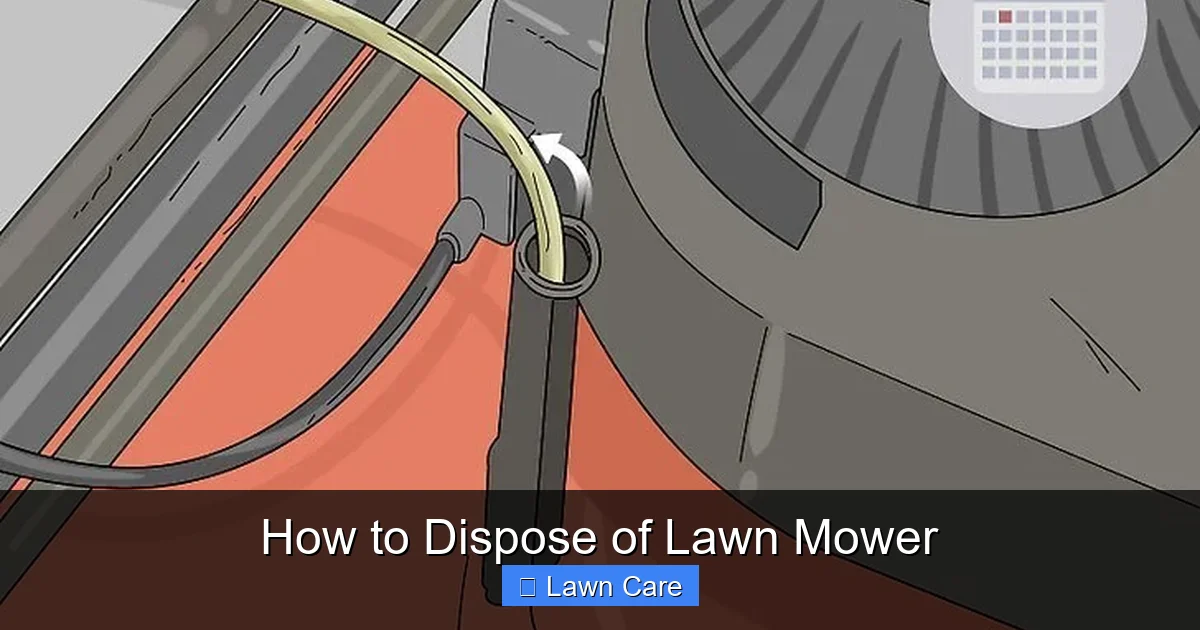
Visual guide about How to Dispose of Lawn Mower
Image source: wikihow.com
Lawn mowers are often regulated as “universal waste” or “hazardous waste” depending on your city or county. Call your local waste management department or visit their website to confirm rules. Some municipalities offer special household hazardous waste (HHW) collection days where you can drop off appliances containing fuels or oils.
In some areas, you may need to:
– Schedule a pickup
– Pay a small fee
– Provide proof of residence
Never assume your town allows curbside pickup—always verify first.
Step 5: Explore Recycling Options
Most lawn mowers are about 70% metal, making them excellent candidates for recycling. Here are common places to take yours:
Scrap Metal Yards: Accept entire frames, blades, and engines. They’ll pay you based on weight, especially if the mower is large (like a riding model).
E-Waste Recyclers: If your mower is electric, search for certified e-waste facilities. These centers safely extract lithium-ion batteries and rare earth magnets.
Manufacturer Take-Back Programs: Brands like Toro, Craftsman, and Husqvarna sometimes offer mail-in recycling programs. Visit their official websites to see if yours qualifies.
Always ask if they accept partial units—you don’t always have to ship the whole thing.
Step 6: Consider Donation or Repurposing
Before sending your mower to a landfill, check if it’s still usable. A mower that starts but has worn belts might be perfect for a school maintenance program or a community garden.
Contact local organizations such as:
– Habitat for Humanity ReStores
– Schools or youth clubs
– Animal shelters (for clearing brush around barns)
– Nonprofits focused on urban green spaces
Even if the mower doesn’t run, usable parts like wheels, handles, or the deck can be salvaged for DIY projects or repairs on other equipment.
Step 7: Prepare Your Mower for Drop-Off
When taking your mower to a recycling center or donation site, prepare it properly:
– Secure loose parts (wheels, handles)
– Wrap sharp edges (blades, bolts)
– Bring a copy of your purchase receipt or ID (some centers require proof of ownership)
– Label containers used for draining (e.g., “Used Motor Oil – Do Not Mix”)
Cleaning the exterior isn’t necessary, but removing large clumps of dirt helps staff assess the unit quickly.
Troubleshooting Common Disposal Issues
Sometimes things don’t go as planned. Here’s how to handle common problems:
My local center won’t accept my mower.
Try calling nearby cities or counties—disposal policies vary widely. Scrap yards often have fewer restrictions.
I can’t drain the fuel myself.
Many auto parts stores will drain it for you at no charge when you recycle oil.
The mower is too heavy to move.
Look for curbside pickup services that specialize in appliance removal. Some charge by weight or volume.
I found water in the gas tank.
Water contaminates fuel and ruins engines. Drain it completely and consider using a fuel stabilizer cleaner before storing temporarily.
Need help dealing with contaminated fuel? See: How To Get Water Out Of Gas Tank Lawn Mower.
What About Small Electric Mowers?
Electric lawn mowers are simpler to dispose of since they lack fuel and oil. However, their lithium-ion batteries must still be recycled. Most big-box retailers like Home Depot or Best Buy offer battery drop-offs.
You can also:
– Mail the battery back via manufacturer programs
– Take it to an electronics store
– Participate in municipal e-waste events
Remember: Never throw batteries in the trash—they can cause fires in landfills.
Environmental Impact of Improper Disposal
Landfilling a lawn mower sends valuable metals into waste streams where they can’t be recovered. Burning old mowers releases toxic fumes including dioxins and carbon monoxide. And leaking oil contaminates soil and groundwater.
By choosing responsible disposal methods, you help conserve natural resources, reduce pollution, and support circular economies that reuse materials instead of mining new ones.
Final Tips for Future Maintenance
Prevention is key! Regular maintenance extends your mower’s life and reduces future disposal headaches:
– Change oil annually
– Replace air filters
– Clean the carburetor periodically
– Store indoors during winter
Proper care means fewer breakdowns and longer usability. When it’s finally time to replace your mower, you’ll already know how to handle it responsibly.
For ongoing lawn care tips, check out: How To Take Care Of Lawn Mower.
Conclusion
Disposing of a lawn mower doesn’t have to be stressful. With the right steps—draining fluids, checking local rules, recycling metal, and considering donation—you can ensure your old machine is handled safely and sustainably. Whether your mower is gas or electric, taking the extra effort protects both people and the planet.
Remember: Responsible disposal isn’t just about compliance—it’s about doing your part to keep communities clean and green. Next time your mower reaches the end of its useful life, you’ll know exactly what to do.