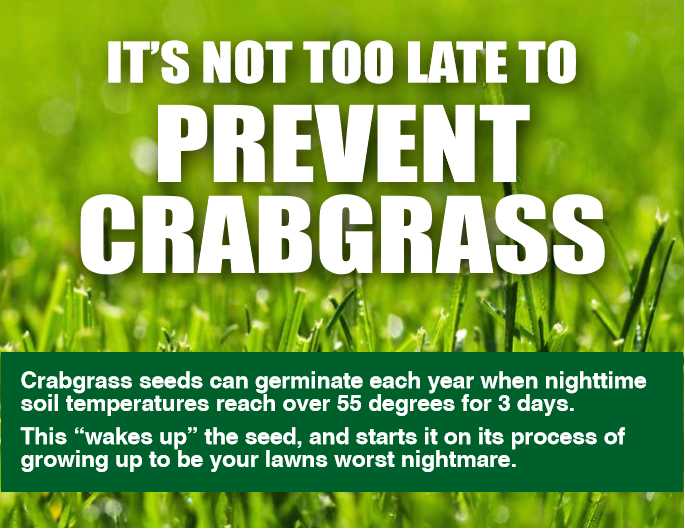
The best time to put crabgrass preventer on your lawn is early spring before the crabgrass seedlings emerge. Applying it at the right moment can stop crabgrass from taking over your yard and keep your grass lush and healthy.
In short, you should apply crabgrass preventer in early spring, typically when soil temperatures reach around 55°F (13°C). Timing is crucial—apply before crabgrass begins to germinate, usually a few weeks after the ground thaws. Doing this early prevents the weed from establishing itself, saving you time and effort later on.
Crabgrass is notorious for sprouting quickly once the weather warms up, making it a challenge to control once it’s established. To keep your lawn looking its best, knowing exactly when to apply crabgrass preventer is key. The window for effective application is narrow; too early and it might not work, too late and the crabgrass might have already started to grow. By paying attention to soil temperatures and local climate cues, you can time your application perfectly, ensuring your lawn stays green and healthy all season long.

When Should You Put Crabgrass Preventer on Your Lawn?
Understanding Crabgrass and Why Prevention Matters
Crabgrass is a fast-growing weed that can quickly take over your lawn if not managed early. It typically appears during hot, sunny weather and can spread rapidly across your grass. Applying crabgrass preventer at the right time can save you hours of difficult removal later. Prevention works best by stopping crabgrass seeds from germinating before they sprout.
Timing Is Everything: The Best Time to Apply Crabgrass Preventer
Knowing the perfect timing for applying crabgrass preventer is crucial for effective weed control. Generally, it’s best to apply preventer in early spring, just as soil temperatures reach about 55°F to 60°F. This is when crabgrass seeds are likely to start germinating, so early action is key.
Monitoring Soil Temperatures
Using a soil thermometer can help you identify when temperatures hit the ideal range for preventer application. Check soil temperature at a depth of 1 to 2 inches for the most accurate reading. Keep in mind that soil temperatures may vary based on your location and weather conditions.
Time Frame for Application
Look to apply crabgrass preventer approximately two weeks before the typical germination period in your area. In warmer climates, this might be as early as late March or early April. In cooler regions, wait until mid to late April. Applying too early may reduce effectiveness, while waiting too long allows crabgrass to establish.
Factors That Influence Application Timing
Several factors can impact the optimal timing for preventer application. Weather patterns, recent rainfall, and lawn conditions can all affect germination.
Weather Conditions
Apply preventer when the weather forecast predicts dry days with mild temperatures. Heavy rain soon after application can wash away the chemical and lessen its effectiveness.
Soil Preparation
Ensure your lawn is properly aerated and free of debris. Healthy soil and grass can better compete with crabgrass seeds and improve the success of preventer.
Common Mistakes to Avoid When Applying Crabgrass Preventer
Applying preventer at the wrong time can render it ineffective. Avoid these common pitfalls:
- Waiting too late, after crabgrass has already germinated
- Applying preventer during cold weather when crabgrass seeds are dormant
- Overlapping applications that may damage your lawn
- Using the wrong type of preventer for your specific grass type
Types of Crabgrass Preventers and Their Application Windows
Different preventers have specific timing recommendations. It’s important to choose the right product for your lawn and follow the manufacturer instructions carefully.
Pre-emergent Herbicides
Most crabgrass preventers are pre-emergent herbicides, meaning they stop seeds from sprouting. Common ingredients include pendimethalin, benefin, and dithiopyr.
Application Schedule by Product
| Product Name | Optimal Application Time | Notes |
|———————|—————————————————–|——————————————-|
| Pendimethalin | 2 weeks before crabgrass germination begins | Effective for up to 4 months |
| Dithiopyr | Early spring, before crabgrass appears | Also controls young crabgrass |
| Benefin | Apply early spring or late winter | Best used with regular watering |
How to Properly Apply Crabgrass Preventer
Applying preventer correctly maximizes its ability to prevent crabgrass.
- Read and follow the instructions on the label carefully.
- Use a broadcast or drop spreader for even coverage.
- Apply when the soil is moist but not soaked.
- Avoid mowing your lawn immediately before or after application.
- Water your lawn lightly after applying if the product recommends it.
Post-Application Lawn Care Tips
Maintaining a healthy lawn enhances weed prevention efforts. Fertilize and mow regularly to promote dense grass that crowds out crabgrass.
Proper Mowing Height
Set your mower at the correct height for your grass type, usually around 2.5 to 3 inches. Taller grass shades the soil, making it less inviting for crabgrass seeds to germinate.
Watering Practices
Water deeply and infrequently to encourage strong root growth. Avoid frequent shallow watering, which can weaken your grass and allow weeds to establish.
Seasonal Maintenance and Follow-Up
Crabgrass prevention isn’t a one-time task. Check your lawn regularly and reapply preventer as needed, especially after heavy rains or if you notice new weed growth.
Timing for Reapplications
Reapply preventer about every 3 to 4 months or according to product instructions. Spring and early summer are critical times to stay vigilant.
Additional Tips for a Healthy Lawn
A thick, lush lawn naturally resists weeds like crabgrass. Use quality grass seed, aerate annually, and fertilize appropriately to keep your lawn strong and weed-free.
Choosing the Right Grass Seed
Select grass types suited for your climate and soil conditions. Warm-season grasses like Bermuda or Zoysia are more resistant to crabgrass, while cool-season grasses need extra care.
Grass Maintenance Schedule
Develop a maintenance routine that includes aerating, fertilizing, and watering. Consistency keeps your lawn dense and less vulnerable to weed invasion.
Related Topics for Better Lawn Management
Understanding broader lawn care principles complements your crabgrass prevention efforts.
- Proper watering techniques
- Best fertilization practices
- Effective mowing heights for different grass types
- Dealing with other common weeds and pests
Applying crabgrass preventer at the correct time is essential to maintaining a healthy, weed-free lawn. Keep an eye on soil temperatures, weather conditions, and product instructions to optimize your results. Healthy lawns naturally resist weeds, so combine prevention with good lawn care habits for the best outcome.
When to apply crabgrass preventer
Frequently Asked Questions
What is the ideal time in spring to apply crabgrass preventer?
Applying crabgrass preventer in early spring, when soil temperatures reach around 55°F to 60°F, effectively prevents crabgrass from germinating. This period typically occurs just as the soil begins to warm up after winter. Timing is crucial because applying too early might cause the preventer to degrade before crabgrass seeds start to sprout, while applying too late allows the weed to take hold.
Why is it important to time the preventer before crabgrass seeds germinate?
Crabgrass preventers work by creating a barrier that stops seeds from sprouting. If you apply the product after the seeds have already germinated, it won’t be as effective in stopping new growth. Proper timing ensures you target the weed at the seed stage, preventing it from establishing and spreading in your lawn.
How does soil temperature influence when to apply crabgrass preventer?
Soil temperature guides the optimal application window. Crabgrass seeds usually start to germinate when soil temperatures reach 55°F to 60°F. Using a soil thermometer or monitoring local weather forecasts helps determine this period. Applying preventer just before these temperatures is key to preventing weed growth.
Can I apply crabgrass preventer too early or too late in the season?
Yes, applying too early can cause the product to break down before crabgrass seeds germinate, reducing its effectiveness. Conversely, applying too late allows crabgrass to establish and spread. It’s best to time the application just as soil temperatures reach the ideal range, typically early spring in most regions.
Is it suitable to reapply crabgrass preventer during the season?
Reapplication is generally not necessary if you apply the preventer at the right time in spring. However, in regions with a long growing season or if the initial application was delayed, a second application may be beneficial. Always follow product instructions and consider local climate conditions.
Final Thoughts
The best time to apply crabgrass preventer on your lawn is early spring before the soil reaches 55°F. Applying too early or too late reduces its effectiveness.
When should you put crabgrass preventer on your lawn? Timing is crucial for preventing crabgrass from germinating. Usually, applying it in early spring provides the best protection.
By following this schedule, you ensure your lawn stays healthy and free of crabgrass. Proper application at the right time helps maintain a lush, green yard all season long.