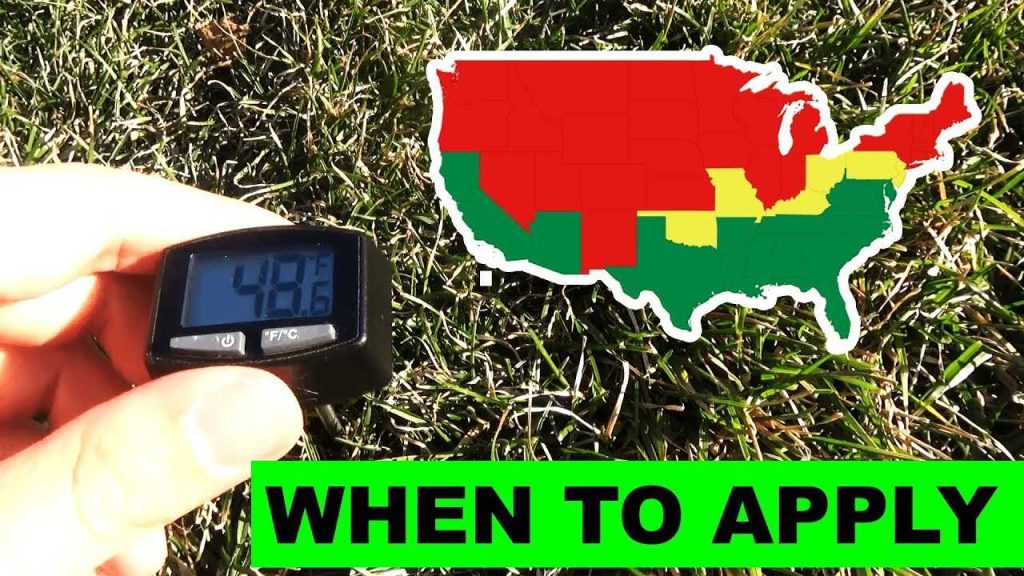
The best time to apply crabgrass preventer is just before crabgrass begins to germinate, typically early spring when soil temperatures reach around 55°F to 60°F. Acting early ensures you stop crabgrass before it can take hold and spread across your lawn.
Applying crabgrass preventer at the right moment can save you from a tough fight later on. The key is timing — apply when soil temperatures are just warming up in early spring, usually around late March to early April, depending on your location. This pre-emergent barrier works best before crabgrass seeds hatch, giving your lawn a strong defense. Keep an eye on local soil temperatures and the calendar to catch this window. The earlier you apply during this period, the more effective your lawn will be at resisting this invasive weed. Proper timing is essential for a lush, weed-free yard all season long.

When is the Best Time to Apply Crabgrass Preventer
Understanding Crabgrass and Its Growth Pattern
Crabgrass is a common weed that appears in lawns during the summer months. It thrives in warm soil and spreads quickly if not controlled early. Knowing when crabgrass seeds germinate is key to timing your preventer application. Typically, crabgrass seeds start to sprout when soil temperatures reach about 55 to 60 degrees Fahrenheit. This usually happens in late spring or early summer depending on your region. Applying preventer too early or too late can reduce its effectiveness, so timing is crucial.
Why Timing Matters for Crabgrass Prevention
Applying crabgrass preventer at the right time helps stop seeds from germinating and growing. If you apply it too early, it might wash away with rain or have no effect if seeds haven’t yet sprouted. On the other hand, applying too late allows crabgrass to establish itself and become difficult to control. Proper timing ensures your lawn stays healthy and crabgrass stays at bay. Remember, preventers work by creating a chemical barrier that stops seed germination.
Optimal Timing for Crabgrass Preventer Application
The best time to apply crabgrass preventer is just before the weed seeds begin to germinate. Usually, this means applying it when soil temperatures hit 55 to 60 degrees Fahrenheit. This is often two to three weeks before the average last frost date in spring. In many parts of the country, this falls between late March and early May. Keep an eye on local soil temperature reports or use a soil thermometer for the most accurate timing. Apply preventer when the weather forecast predicts consistent warm days but before crabgrass begins to sprout.
Monitoring Soil Temperature for Precise Application
To determine exactly when to apply, monitor soil temperatures regularly. Use a soil thermometer inserted about one to two inches into the ground. Measure soil temperature during the warmest part of the day, usually in the early afternoon. Record temperatures for several days to identify when the consistent 55 to 60 degrees Fahrenheit range occurs. Once this threshold is reached for three consecutive days, it’s time to apply your crabgrass preventer.
Best Practices for Soil Temperature Tracking
- Insert thermometer about one to two inches deep into the lawn soil.
- Take readings at the same time each day.
- Check weather forecasts for upcoming warm spells.
- Apply preventer as soon as soil temperatures stay within the optimal range for three days.
Timing Based on Regional Climate Variations
Different regions have varying climates, which affects when soil temperatures reach the ideal range. In colder northern areas, application may need to be delayed until late April or early May. In the warmer southern states, late March may be suitable. Understanding your local climate helps better plan your crabgrass prevention strategy. Local gardening centers or cooperative extension offices can provide region-specific timing advice.
Using Local Weather Data to Time Your Application
Weather reports provide valuable clues on when to apply preventers. Pay attention to recent daytime high temperatures and soil warming trends. Warm days that push soil temperature into the 55 to 60 degrees Fahrenheit range signal the right window for application. Employing weather data ensures you aren’t guessing and helps optimize your lawn care routine.
Signs That It’s Time to Apply Preventer
Besides soil temperature, look for these signs to confirm it’s time to treat your lawn:
- Early spring warmth with consistent daytime highs above 55 degrees.
- No visible crabgrass yet in your lawn.
- Soil is moist but not overly wet from recent rain.
Applying preventer at this stage blocks crabgrass seeds before they sprout and establish.
Common Mistakes to Avoid When Applying Crabgrass Preventer
Even with perfect timing, improper application can reduce effectiveness. First, avoid applying preventer when the soil is too wet, as it may cause runoff. Second, steer clear of applying it during drought conditions or extreme heat, which can hinder absorption. Lastly, do not delay application past the peak germination period, as crabgrass can quickly take hold once seeds sprout. Proper timing combined with correct application techniques offers the best defense.
Additional Tips for Successful Crabgrass Prevention
– Always read and follow the product instructions carefully for dosage and timing.
– Water your lawn lightly after applying preventer to help it absorb into the soil.
– Keep your lawn healthy by fertilizing and mowing properly, which can make it more resistant to weeds.
– Consider applying a pre-emergent in combination with a broadleaf weed control for comprehensive lawn health.
Related Topics: Extending Lawn Care Beyond Crabgrass Prevention
While timing is essential for crabgrass control, maintaining overall lawn health helps prevent future weed problems. Aerate your soil to improve drainage and nutrient uptake. Regular overseeding can fill in bare patches, making it harder for weeds to establish. Additionally, watering deeply and less frequently encourages strong, deep roots. Combining these practices with timely crabgrass preventer application enhances your lawn’s resilience.
Summary of Key Timing Principles
Apply crabgrass preventer in early spring, about two to three weeks before the last expected frost.
Monitor soil temperatures closely, targeting the 55 to 60 degrees Fahrenheit window.
Timing varies depending on your region’s climate and weather patterns.
Using local soil temperature data ensures effective weed prevention.
By paying attention to these details and planning ahead, you maximize your chances of keeping crabgrass out of your lawn. Proper timing of preventer application is one of the most effective ways to manage crabgrass before it becomes a problem.
When to apply crabgrass preventer
Frequently Asked Questions
What signs indicate it’s the right time to apply crabgrass preventer?
Look for warm soil temperatures reaching around 55°F to 60°F consistently in the morning. This is when crabgrass begins to germinate, so applying preventer just before this period helps stop the seeds from sprouting. Also, check local weather forecasts for the first forecasted soil temperature rise, ensuring you time your application effectively.
How does the timing of rainfall influence when to apply crabgrass preventer?
Applying crabgrass preventer before a period of expected rainfall helps activate the herbicide and distribute it evenly across your lawn. Rainwater helps the preventer penetrate the soil and reach the crabgrass seeds, which enhances its effectiveness. Delay application if heavy rain is imminent, as excessive rainfall may wash away some of the product.
Why is early spring considered the optimal time for applying crabgrass preventer?
Early spring corresponds with the soil warming up, which encourages crabgrass seeds to germinate soon. Applying preventer during this time creates a barrier that prevents seeds from sprouting when conditions are ideal for growth. This timing ensures you tackle the problem before it becomes visible and harder to control.
Can I apply crabgrass preventer later in the season, and will it still work?
If you apply crabgrass preventer after crabgrass has already started to grow, it won’t be effective at killing existing weeds. Preventers are designed to stop seed germination, so timing is crucial. For best results, apply it early in the season before seed germination begins, typically in late spring or early summer depending on your region.
How does soil temperature monitoring help in timing the application of crabgrass preventer?
Monitoring soil temperature allows you to apply the preventer precisely when crabgrass seeds are about to germinate, which is typically when soil temperatures reach around 55°F. Using a soil thermometer, check temperatures daily during early spring to identify the ideal window for application, ensuring maximum effectiveness.
Final Thoughts
The best time to apply crabgrass preventer is early spring before crabgrass begins to germinate. Applying it when soil temperatures reach around 55°F ensures effective control. Timing is crucial to prevent crabgrass from establishing.
To maximize its effectiveness, apply the preventer just before the weed seeds sprout. Regularly monitor soil conditions to decide the ideal moment. Knowing when is the best time to apply crabgrass preventer helps keep your lawn healthy and weed-free.