Quick Answer: Yes, vinegar can kill crabgrass.
Introduction:
If you’ve ever battled with crabgrass in your lawn or garden, then you know how stubborn and persistent this weed can be. Crabgrass, with its rapid growth and ability to crowd out desirable plants, can quickly take over and ruin the look of your carefully tended landscape. While there are various chemical herbicides available to tackle crabgrass, many people are turning to natural alternatives for weed control.
One such natural remedy that has gained popularity is vinegar. Yes, that humble ingredient commonly found in our kitchens can actually be quite effective in killing crabgrass. Vinegar contains acetic acid, which acts as a desiccant, essentially drying out the plant and causing it to wither and die.
However, it’s important to understand that vinegar is a non-selective herbicide, meaning it will kill any plant it comes into contact with, not just crabgrass. Therefore, it’s crucial to apply it carefully and selectively to avoid harming desirable plants in your lawn or garden.
In this blog article, we will delve deeper into how vinegar can be used to kill crabgrass effectively, discuss the best practices for application, and explore other natural alternatives for weed control. So, if you’re looking for a natural solution to rid your landscape of crabgrass, keep reading!

Can Vinegar Kill Crabgrass?
Crabgrass is a common weed that can wreak havoc on lawns and gardens. Its ability to quickly spread and take over areas of healthy grass makes it a persistent and frustrating problem for many homeowners. While there are various methods and products available to combat crabgrass, vinegar has gained attention as a potential natural and cost-effective solution. In this article, we will explore the effectiveness of vinegar as a crabgrass killer and discuss its application, benefits, and limitations.
Understanding Crabgrass
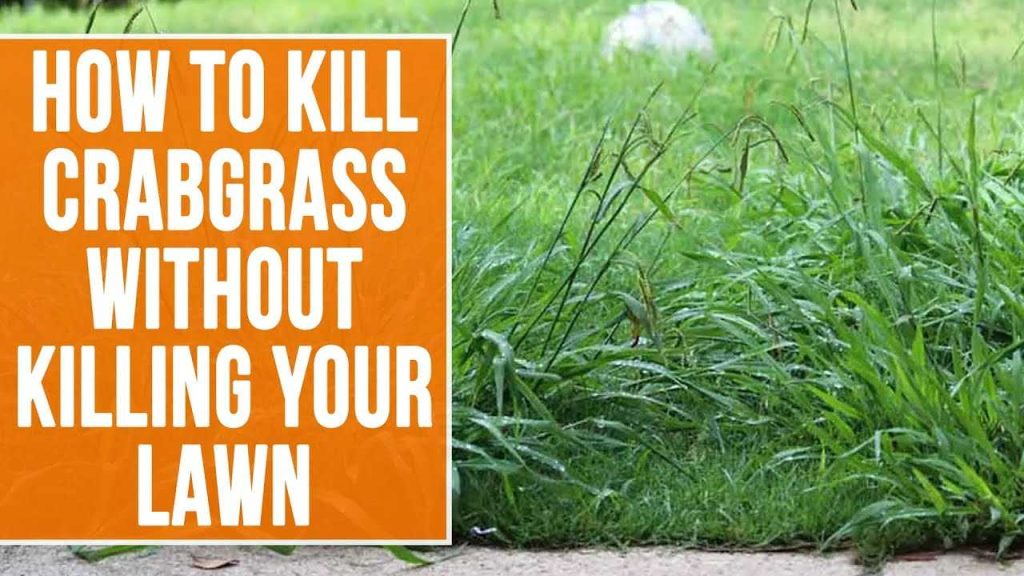
Before delving into the discussion of vinegar as a crabgrass killer, it is important to have a basic understanding of what crabgrass is. Crabgrass (scientifically known as Digitaria) is an annual grassy weed that thrives in warm-season areas. It typically germinates in early spring and spreads rapidly, forming unsightly clumps that can compete with desirable turfgrass.
Crabgrass is identified by its wide blades and characteristic finger-like seed heads. It can quickly take over lawns where the soil is thin, compacted, or poorly maintained. Its ability to produce thousands of seeds and adapt to different environmental conditions makes it a resilient and challenging weed to control.
How Does Vinegar Kill Crabgrass?
Vinegar, specifically white vinegar or horticultural vinegar with a higher concentration of acetic acid, is believed to have herbicidal properties that can potentially kill crabgrass. The acetic acid in vinegar works by drying out the weed’s foliage, causing it to wither and die. Additionally, vinegar has the ability to disrupt the cell membranes of plants, further contributing to their demise.
Application of Vinegar
When using vinegar as a crabgrass killer, it is crucial to apply it directly to the weed without affecting surrounding plants or grass. Here are the steps to effectively apply vinegar to target crabgrass:
- Identify the crabgrass-infested areas in your lawn or garden.
- Choose a day when there is no rain in the forecast for at least 24 hours.
- Fill a spray bottle or a pump sprayer with undiluted white vinegar or horticultural vinegar.
- Carefully and precisely spray the vinegar directly onto the crabgrass, avoiding contact with desirable plants.
- Avoid spraying vinegar on windy days to prevent unintended damage to other plants.
- Ensure complete coverage of the crabgrass with vinegar.
Effectiveness and Results
While vinegar is often touted as a natural crabgrass killer, its effectiveness can vary depending on various factors. These factors include the concentration of acetic acid in the vinegar, the stage of crabgrass growth, and the overall health and condition of the weed.
Ineffectiveness against Established Crabgrass
Vinegar’s efficacy tends to be limited when it comes to well-established crabgrass. Mature crabgrass plants with an extensive root system can withstand or regrow after a vinegar treatment. In such cases, mechanical removal or other herbicidal products may be necessary for effective eradication.
Effective against Young Crabgrass
Vinegar’s herbicidal properties are most effective against young and newly sprouted crabgrass. At this early stage, the weed has not yet developed a strong root system, making it more vulnerable to the drying effects of vinegar. Regular applications of vinegar can significantly hinder the growth and development of young crabgrass plants, leading to their eventual demise.
Benefits of Using Vinegar
Aside from being a natural alternative to chemical-based herbicides, vinegar offers several other benefits when it comes to controlling crabgrass:
- Cost-Effective: Vinegar is an affordable option compared to many commercial herbicides, making it a budget-friendly choice for homeowners.
- Environmentally Friendly: Vinegar is a non-toxic alternative that does not pose significant risks to human health or the environment when used responsibly.
- Readily Available: White vinegar can be easily obtained from supermarkets or grocery stores, making it accessible to anyone in need of a crabgrass killer.
Limitations and Precautions
While vinegar can be an effective tool in your battle against crabgrass, it is important to be aware of its limitations and take proper precautions when using it:
- Non-Selective Nature: Vinegar is non-selective, meaning it can harm or kill any plant it comes into contact with. Careful application is essential to avoid damaging desirable grass or plants.
- Incomplete Root Control: Vinegar primarily affects the foliage of crabgrass and may not completely eradicate the weed’s root system. Multiple applications or supplemental control methods may be necessary for complete eradication.
- Reapplication Requirements: Some crabgrass may require multiple applications of vinegar for effective control. Regular monitoring and reapplication may be necessary during the growing season to prevent new growth.
In conclusion, vinegar can be a useful and cost-effective tool in your efforts to control crabgrass. Its herbicidal properties, particularly when applied to young and newly sprouted weeds, can hinder growth and eventually lead to their demise. However, it is important to understand that vinegar has limitations and may not completely eradicate well-established crabgrass or its root system. Proper application techniques and consistent monitoring are necessary for optimal results. By considering the benefits and limitations of vinegar as a crabgrass killer, you can make an informed decision on how to best tackle this persistent weed and achieve a healthier and more vibrant lawn or garden.
Will vinegar kill crabgrass?
Frequently Asked Questions
Can vinegar effectively kill crabgrass?
Yes, vinegar can be an effective solution for killing crabgrass.
How does vinegar kill crabgrass?
Vinegar contains acetic acid, which can damage the cell membranes of crabgrass. When sprayed directly on the leaves, vinegar dries out the plant, ultimately causing it to die.
What type of vinegar should I use to kill crabgrass?
White vinegar with a high concentration of acetic acid, typically 5% or more, works best for killing crabgrass. Make sure to use distilled white vinegar and avoid using vinegar with added flavorings or other ingredients.
When is the best time to apply vinegar to crabgrass?
The best time to apply vinegar to crabgrass is during its active growing season, which is typically in the spring and summer. Applying vinegar on a warm, sunny day when the crabgrass is actively growing will increase its effectiveness.
How do I apply vinegar to crabgrass?
Fill a spray bottle with undiluted vinegar and spray it directly onto the crabgrass, ensuring that the leaves are thoroughly covered. Be careful not to overspray onto desired plants, as vinegar can cause harm to other vegetation.
Will vinegar harm my lawn or garden?
Vinegar can also harm desirable plants, so it’s important to take precautions when applying it to crabgrass. Use a targeted spraying technique or create a barrier around the crabgrass to avoid contact with surrounding vegetation. Additionally, it is recommended to test vinegar on a small area before applying it more broadly to assess any potential negative effects.
Final Thoughts
Vinegar can indeed be an effective natural remedy to eliminate crabgrass. Its high acidity helps to dry out and kill the weed, disrupting its growth. Applying vinegar directly onto the crabgrass can provide quick results. However, it’s important to use caution as vinegar can also harm surrounding plants. Diluting it with water or using it selectively can minimize any potential damage. Regular applications may be necessary to fully eradicate the crabgrass. Overall, vinegar can be a useful tool in the battle against crabgrass.