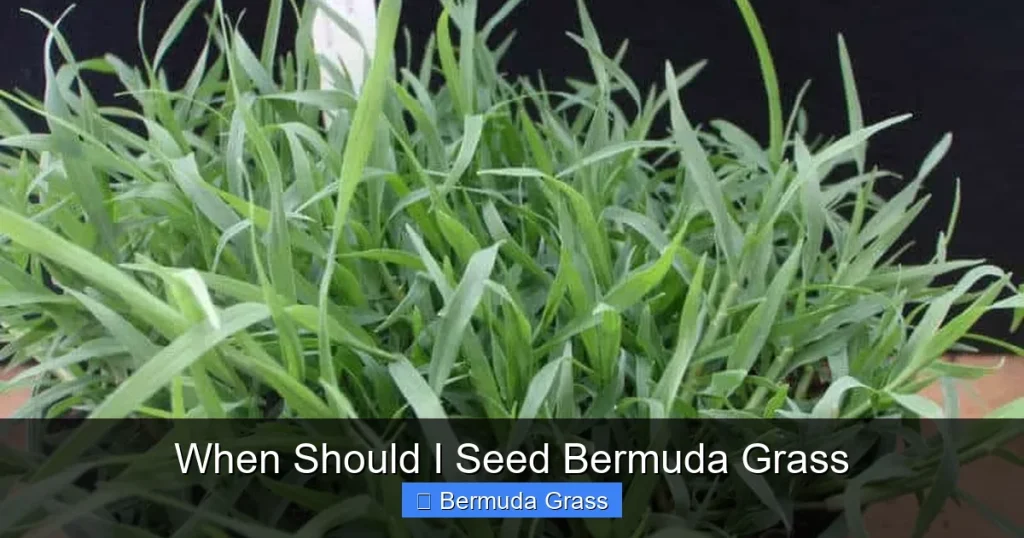
Successfully seeding Bermuda grass hinges on precise timing, primarily during late spring to early summer. The most critical factor is consistent soil temperatures between 65-70°F (18-21°C), which typically means daytime air temperatures in the 80s°F and nighttime lows above 60°F. Proper soil preparation and diligent post-seeding care are equally vital for germination and establishment.
When Should I Seed Bermuda Grass
Hey there, fellow lawn enthusiast! Are you dreaming of that perfect, carpet-like Bermuda grass lawn? You know, the one that’s a vibrant green, soft underfoot, and the envy of the neighborhood? Well, you’re in the right place! Achieving that dream lawn starts with understanding one crucial element: timing. Specifically, knowing *when* to seed Bermuda grass.
Seeding Bermuda grass isn’t just about tossing seeds onto the ground and hoping for the best. It’s a science and an art, deeply rooted in nature’s rhythm. Get the timing wrong, and you might see patchy growth, wasted effort, and disappointment. Get it right, and you’ll be well on your way to a lush, resilient lawn.
In this comprehensive guide, we’re going to walk you through everything you need to know about the ideal seeding window for Bermuda grass. We’ll cover why timing is so critical, the key environmental factors to watch out for, how to prepare your soil, and what to do *after* you’ve spread those precious seeds. By the end, you’ll have a clear, step-by-step plan to maximize your chances of success. Let’s dig in!
Key Takeaways
- Optimal Timing is Late Spring to Early Summer: The best window to seed Bermuda grass is when the threat of frost has completely passed and warm weather is consistently present, typically from late April/May through July in most warm-season regions.
- Soil Temperature is King: Bermuda grass seeds require consistent soil temperatures of 65-70°F (18-21°C) for successful germination. Use a soil thermometer to confirm these conditions before you begin seeding.
- Avoid Early Spring and Fall: Seeding too early in spring can lead to poor germination due to cold soil, while seeding in late summer or fall doesn’t allow enough time for the grass to establish before cold weather arrives, risking winter kill.
- Proper Soil Preparation is Crucial: A soil test, weed removal, aeration, and leveling are essential steps before seeding to provide the best environment for your new grass to thrive.
- Consistent Moisture is Non-Negotiable: After seeding, the ground must remain consistently moist (but not waterlogged) for the first 2-3 weeks to encourage germination and support fragile new seedlings. Frequent, light watering is key.
- Patience is a Virtue: Bermuda grass can take 7-30 days to germinate, and full establishment takes several weeks. Avoid heavy traffic or harsh treatments during this sensitive period.
Understanding Bermuda Grass: A Warm-Season Lover
Before we talk about *when* to seed Bermuda grass, let’s briefly understand what makes this particular grass tick. Bermuda grass (Cynodon dactylon) is a warm-season grass. This means it thrives in hot temperatures, actively grows during the summer months, and goes dormant (turns brown) in cooler weather. Its love for warmth is the foundation for determining the best seeding schedule.
It needs consistent warmth, ample sunshine, and well-draining soil to really flourish. This is why trying to seed it in cool weather is often an exercise in futility – the seeds simply won’t germinate or the seedlings won’t survive.
The Ideal Seeding Window: Late Spring to Early Summer
This is the big answer you’ve been waiting for! The absolute best time to seed Bermuda grass is generally from late spring to early summer. Think late April, May, June, or even early July, depending on your specific climate zone.
Why this window? It’s all about consistency. At this time of year, you typically have:
- Consistently warm air temperatures.
- Plenty of sunshine.
- Minimal risk of late frosts.
- A long growing season ahead for the grass to establish before any cold weather sets in.
But it’s not just about the calendar date. There are specific environmental cues you need to pay attention to.
The Golden Rule: Soil Temperature is King
While air temperature is important, the single most critical factor for successful Bermuda grass seed germination is soil temperature. Bermuda grass seeds need the soil to be consistently warm to sprout.
- Target Soil Temperature: Aim for soil temperatures that are consistently between 65-70°F (18-21°C).
- Why it matters: If the soil is too cold, the seeds will either sit dormant and eventually rot, or they’ll germinate very slowly and weakly, making them vulnerable to disease and pests. If it’s too hot (above 85°F), it can also stress the new seedlings.
Air Temperature Cues
Soil temperature usually lags behind air temperature. So, to ensure your soil is warm enough, look for these air temperature conditions:
- Daytime Highs: Consistently in the 80s°F (27-32°C).
- Nighttime Lows: Consistently above 60°F (15°C).
When these conditions are stable, you can be fairly confident that your soil is also reaching the optimal temperature range for seeding Bermuda grass.
Avoid Frost Danger
This might seem obvious, but it’s worth emphasizing: ensure all danger of frost has completely passed. A late spring frost can decimate newly germinated Bermuda grass seedlings, undoing all your hard work. Check your local frost-free dates and err on the side of caution. Waiting an extra week or two is better than risking a full reseeding.
How to Determine Soil Temperature
Don’t just guess! You can easily check your soil temperature with a simple tool.
Use a Soil Thermometer
This is your most accurate method. You can buy a basic soil thermometer online or at any garden center. Here’s how to use it:
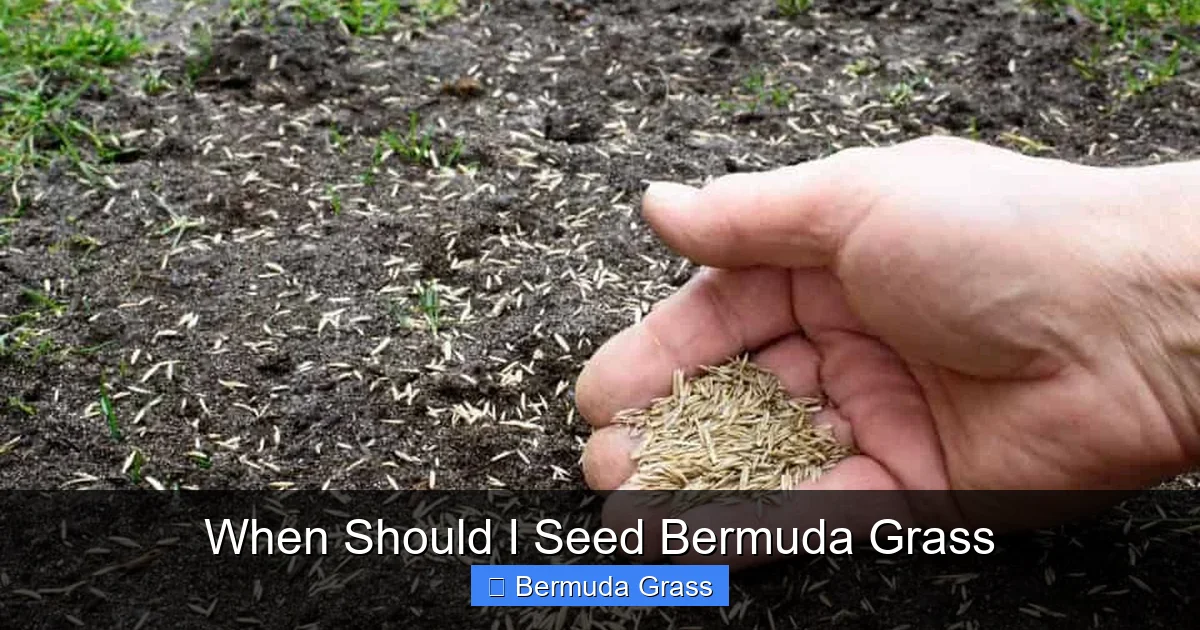
Visual guide about When Should I Seed Bermuda Grass
Image source: gardentabs.com
- Insert the thermometer about 2-3 inches deep into the soil.
- Leave it for about 5-10 minutes to get an accurate reading.
- Check the temperature at different times of the day (morning, noon, evening) for a few consecutive days to get an average and ensure consistency.
Consult Local Resources
Many local university extension offices or agricultural websites provide current soil temperature data for your region. This can be a great starting point, though a personal soil thermometer gives you the most precise data for your specific yard.
Preparing Your Soil for Seeding Bermuda Grass
Even with perfect timing, poor soil preparation can sabotage your efforts. Think of the soil as the foundation for your new lawn – it needs to be strong and healthy.
1. Conduct a Soil Test
This is step zero, but incredibly important. A soil test will tell you your soil’s pH level and nutrient deficiencies. Bermuda grass prefers a soil pH between 6.0 and 7.0. If your pH is off, or if your soil lacks essential nutrients, you’ll need to amend it before seeding. Your local extension office can usually provide soil testing kits and recommendations.
2. Clear Out Existing Weeds
Weeds are the arch-nemesis of new grass seedlings. They compete fiercely for water, nutrients, and sunlight. If you have existing weeds, eradicate them thoroughly. You can do this through:
- Non-selective herbicide: Apply a product like glyphosate (follow instructions carefully!) about 2 weeks before you plan to seed.
- Manual removal: For smaller areas, physically pulling weeds is effective.
- Solarization: Covering the area with clear plastic sheeting for several weeks during hot weather can kill weeds and their seeds.
Ensure the area is clear of all vegetation, dead or alive, before proceeding.
3. Till or Aerate the Soil
This helps loosen compacted soil, improves drainage, and allows new roots to penetrate easily.
- Tilling: For large areas or very compacted soil, a tiller can be used to loosen the top 4-6 inches. Break up large clumps and ensure a fine, crumbly texture.
- Aerating: If your soil isn’t severely compacted, a core aerator can create small holes, improving air and water penetration.
4. Level the Area
A smooth, even surface ensures uniform water distribution and a better-looking lawn. Rake the soil to remove any debris, rocks, or clods, and fill in low spots. Use a rake or a roller to create a level, firm seedbed.
5. Apply Starter Fertilizer
A starter fertilizer (high in phosphorus) helps new seedlings develop strong root systems. Apply it evenly just before or immediately after spreading your Bermuda grass seed. Choose a fertilizer specifically labeled for new lawns or seeding.
The Seeding Process: Putting It All Together
Once your soil is prepped and the timing is perfect, it’s go-time for seeding Bermuda grass!
1. Choose the Right Bermuda Grass Seed
Not all Bermuda grass seeds are created equal. Different varieties offer different characteristics like drought tolerance, disease resistance, and color. Read seed labels carefully and choose a variety suited for your climate and desired lawn aesthetics. Consider “hulled” seeds, as the removal of the hull aids in quicker germination.
2. Spread the Seed Evenly
Use a seed spreader (broadcast or drop spreader) for even distribution. This prevents clumping and patchy growth. Most seed bags will specify a coverage rate; stick to it. Over-seeding can lead to weak, crowded seedlings, while under-seeding will result in sparse patches.
- Tip: For best coverage, spread half the seed walking in one direction (e.g., north-south), and the other half walking perpendicular (east-west).
3. Lightly Rake or Cover the Seed
Bermuda grass seeds are small and need light to germinate, but they also need good seed-to-soil contact. Lightly rake the seeds into the top 1/8 to 1/4 inch of soil. You can also lightly cover them with a very thin layer of peat moss or compost. This helps retain moisture and prevents birds from eating the seeds. Avoid burying them too deeply!
4. Roll (Optional, but Recommended)
Using a lightweight lawn roller (fillable with water) helps press the seeds firmly into the soil, ensuring excellent seed-to-soil contact. This is vital for consistent germination.
Crucial Post-Seeding Care: The Road to Establishment
Seeding is just the beginning. The next few weeks are critical for your new Bermuda grass lawn.
1. Watering: The Most Critical Step
This cannot be overstated. New Bermuda grass seeds and seedlings need constant moisture. The top 1 inch of soil must remain consistently moist, but not soggy. This usually means:
- Frequency: Water lightly 2-4 times a day, especially during warm, sunny weather.
- Duration: Each watering should be just enough to moisten the top layer of soil without causing runoff. This might be only 5-10 minutes per zone.
- Duration Post-Germination: Once the seeds germinate and you see green sprouts (typically 7-30 days), you can gradually reduce the frequency and increase the duration of watering, encouraging roots to grow deeper.
Never let the topsoil dry out completely during this germination period! Even a few hours of dryness can be fatal to new sprouts.
2. Fertilizing (After Germination)
If you applied a starter fertilizer during preparation, you typically won’t need to fertilize again until your new lawn has been mowed 2-3 times. At that point, you can apply a balanced lawn fertilizer designed for established Bermuda grass.
3. Weed Management (Be Careful!)
Despite your best efforts, some weeds might sprout alongside your new grass. Be extremely cautious with herbicides on new lawns. Many weed killers can damage young Bermuda grass. It’s often best to:
- Hand-pull: For scattered weeds, gently hand-pull them.
- Mow: Regular mowing (once the grass is tall enough) can help suppress some weeds.
- Wait: Most selective herbicides for Bermuda grass can only be used after the grass has fully established and been mowed several times (check product labels for specific guidance).
4. First Mow
Wait until your new Bermuda grass is about 2-3 inches tall before its first mow. Use a sharp mower blade and only remove the top 1/3 of the grass blade. This encourages tillering and denser growth.
Troubleshooting Common Seeding Problems
Even with the best planning, sometimes things don’t go perfectly. Here are a few common issues when seeding Bermuda grass:
Poor Germination or Patchy Growth
- Issue: Seeds aren’t sprouting, or only certain areas are growing.
- Possible Causes:
- Incorrect soil temperature: Too cold or too hot.
- Inconsistent watering: Seeds dried out, or were waterlogged.
- Seeds buried too deep: Bermuda grass seeds need light.
- Poor seed-to-soil contact: Seeds weren’t pressed into the soil.
- Old or low-quality seed: Check expiration dates and seed purity.
- Solution: Retest soil temperature. Adjust watering schedule. If patches are severe, lightly scratch the surface and reseed those areas, ensuring proper depth and contact.
Weed Invasion
- Issue: Weeds are growing faster or thicker than your Bermuda grass.
- Possible Causes:
- Inadequate pre-seeding weed control.
- Weed seeds brought in by wind or birds.
- Watering encouraging weed growth.
- Solution: Hand-pull large weeds. Mow to suppress some weed types. Be patient; a dense Bermuda lawn will naturally choke out many weeds once established. Avoid herbicides until the grass is mature.
Seedlings Dying Off
- Issue: Sprouts appear, then disappear.
- Possible Causes:
- Lack of consistent moisture.
- Disease (damping-off) due to overwatering or poor air circulation.
- Pests (birds, insects).
- Frost damage.
- Solution: Ensure consistent, light watering. Improve drainage if waterlogging is an issue. If frost is a risk, consider covering small areas.
When *Not* to Seed Bermuda Grass
Just as important as knowing when to seed Bermuda grass is knowing when *not* to.
- Early Spring: While tempting when the weather first warms up, soil temperatures are usually too low, leading to poor germination and wasted seed.
- Late Summer / Fall: Seeding Bermuda grass at this time won’t give it enough warm weather to establish a strong root system before winter dormancy. Young plants are highly susceptible to winter kill, meaning they won’t survive the cold.
- Winter: Bermuda grass is dormant in winter; seeds will not germinate.
Conclusion: Timing is Everything for a Thriving Bermuda Lawn
Successfully seeding Bermuda grass is a rewarding experience that starts with impeccable timing. By waiting for those consistent late spring to early summer conditions, specifically aiming for soil temperatures between 65-70°F, you’re setting your lawn up for success.
Remember, it’s a multi-step process: thorough soil preparation, careful seeding, and diligent post-seeding watering are all equally vital. Patience is also key – Bermuda grass can take its sweet time to germinate and fully establish. But with the right approach and a little tender loving care, you’ll soon be enjoying that beautiful, dense, and resilient Bermuda grass lawn you’ve always wanted. Happy seeding!