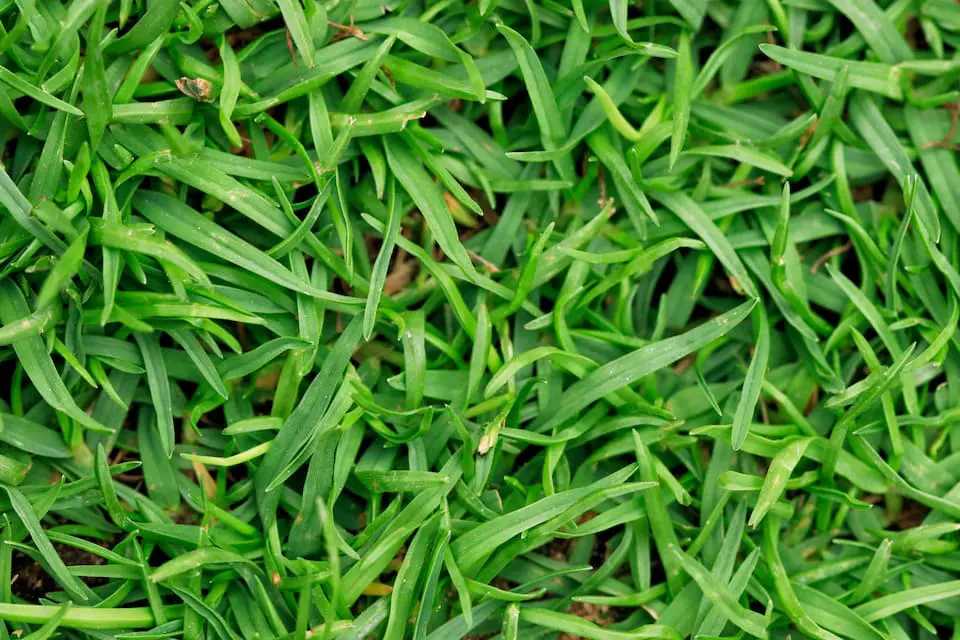
You should avoid fertilizing Bermuda grass during its dormant winter months or when the grass is stressed due to drought or extreme heat. Fertilizing at these times can do more harm than good, encouraging unnecessary growth or damaging the turf. Instead, focus on fertilizing during active growing seasons when the grass can efficiently absorb nutrients, ensuring a lush, healthy lawn.
Knowing when not to fertilize your Bermuda grass is just as important as knowing when to do it. Applying fertilizer during dormancy or stress periods can lead to poor growth, disease, or nutrient runoff. Understanding the lawn’s natural growth cycle and environmental conditions helps maintain a vibrant, resilient turf and prevents wastage of fertilizer. Keep reading to learn the best timing and conditions for fertilizing this popular warm-season grass, so your lawn stays green and healthy all year round.

When should you not fertilize Bermuda grass?
Understanding the Growth Cycle of Bermuda Grass
Bermuda grass has specific growth phases where fertilizing may not be beneficial. During dormancy, the grass enters a period of little to no growth, making fertilization unnecessary. Applying fertilizer during dormancy can lead to nutrient runoff and waste.
Recognizing Dormant Periods
In many regions, Bermuda grass becomes dormant in late fall and winter when temperatures drop below 50°F (10°C). During this time, the grass appears brown and stops actively growing. Fertilizing at this stage provides little to no benefit and can harm the lawn.
Why Avoid Fertilizing During Dormancy
Fertilization during dormancy can cause problems like nutrient leaching, which pollutes nearby water sources. It can also encourage unwanted weed growth. Moreover, the grass’s roots are not actively taking up nutrients, so fertilizing is ineffective.
Seasonal Considerations for Fertilizing Bermuda Grass
Understanding seasonal changes helps determine when to avoid fertilization. Spring and summer are ideal times for feeding Bermuda grass because it actively grows. Conversely, the fall and winter months are best left without fertilizer.
Spring Transition Period
As temperatures warm in early spring, Bermuda grass begins to come out of dormancy. Fertilizing too early in spring, before the grass shows signs of active growth, can promote disease and weaken the turf. Wait until new growth appears.
Late Fall and Winter Seasons
During late fall and winter, the grass’s growth slows or stops. Fertilizing during these months can cause the grass to stretch out prematurely, leading to weak root systems. It can also encourage pests and diseases.
Soil Conditions and Fertilizer Application
Soil health plays a vital role in deciding when not to fertilize. If the soil is overly wet, compacted, or poorly drained, fertilizing can worsen problems rather than help.
Impact of Wet or Saturated Soil
Fertilizer applied to wet soil can wash away before being absorbed, leading to runoff. It also increases the risk of nutrient leaching into groundwater, which is harmful to the environment.
When Soil Is Too Cold or Too Dry
Applying fertilizer when the soil is too cold or too dry reduces the turf’s ability to absorb nutrients. This can cause fertilizer to sit unused, promoting mold, disease, or excessive growth in unwanted areas.
Signs That Indicate It’s Not the Right Time to Fertilize
Being attentive to your Bermuda grass can help avoid unnecessary fertilization. Indicators include dull color, slow growth, or signs of stress.
Slow or No Growth
If your grass is not growing or appears brown and patchy, it might be in dormancy or experiencing stress. Fertilizing won’t jump-start growth during these times and can make the problem worse.
Presence of Pests or Disease
Fertilizing stressed or diseased turf can exacerbate issues. It’s better to focus on pest or disease control before considering fertilization.
Special Cases When Fertilization Should Be Avoided
Certain situations demand skipping fertilizer to protect the health of your Bermuda grass.
After Heavy Rainfall or Flooding
Fertilizer applied immediately after heavy rains can be washed away, wasting resources and polluting water sources. Wait until the soil dries out before fertilizing.
During Lawn Renovation or Repair
When patching or aerating your lawn, avoid fertilizing immediately afterward. The focus should be on soil preparation and proper watering first.
In Areas with Poor Drainage
Fertilizing in poorly drained zones can lead to waterlogging and root rot. Improving drainage should be a priority before fertilizing.
Environmental and Safety Considerations
Applying fertilizer at inappropriate times can have environmental impacts. Runoff can pollute lakes, ponds, and rivers, harming aquatic life.
Avoid Fertilizing Before Rain
If rain is forecasted soon after fertilizing, wait for the weather to clear. Excess rain can cause nutrients to wash away or leach into groundwater.
Protecting Sensitive Areas
Avoid fertilizing near water bodies, wildlife habitats, or areas with high foot traffic. Proper timing helps reduce environmental harm and keeps your lawn healthy.
Summary: When Should You Not Fertilize Bermuda Grass?
In summary, avoid fertilizing Bermuda grass during dormancy, periods of stress, or unfavorable soil and weather conditions. Recognizing these signs and understanding seasonal patterns ensures your lawn remains healthy without unnecessary or harmful fertilization. Proper timing not only promotes lush, green turf but also protects the environment and conserves resources.
Bermuda tips and tricks, top 10 mistakes on bermuda lawns
Frequently Asked Questions
What are the signs that indicate it’s not the right time to fertilize Bermuda grass?
If Bermuda grass shows signs of stress, such as yellowing, browning, or slow growth, it’s best to hold off on fertilizing. Fertilizing during periods of drought, extreme heat, or when the grass is dormant can damage the turf and reduce recovery chances. Additionally, avoid fertilizing immediately after mowing or during heavy rainfall, as this can lead to nutrient runoff and uneven absorption.
Why should you avoid fertilizing Bermuda grass during its dormant season?
Is it harmful to fertilize Bermuda grass during hot summer months?
When should you avoid fertilizing Bermuda grass after overseeding or planting?
Can you fertilize Bermuda grass if the soil pH is unbalanced?
If the soil pH is too acidic or alkaline, fertilizing without correcting the pH may not benefit the grass. In such cases, applying fertilizer could lead to nutrient deficiencies or toxic buildup. It’s advisable to test the soil and adjust the pH levels before fertilizing, ensuring the nutrients are effectively absorbed by the roots.
Final Thoughts
Knowing when not to fertilize Bermuda grass is crucial for healthy growth. Avoid fertilizing during dormancy or extreme heat, as it can damage the grass. Also, skip fertilization if the grass shows signs of stress or disease.
Applying fertilizer at the wrong time may lead to weak roots and poor recovery. Always wait for the right season and conditions, and follow recommended guidelines. When should you not fertilize Bermuda grass? Focusing on timing ensures a lush, resilient lawn.