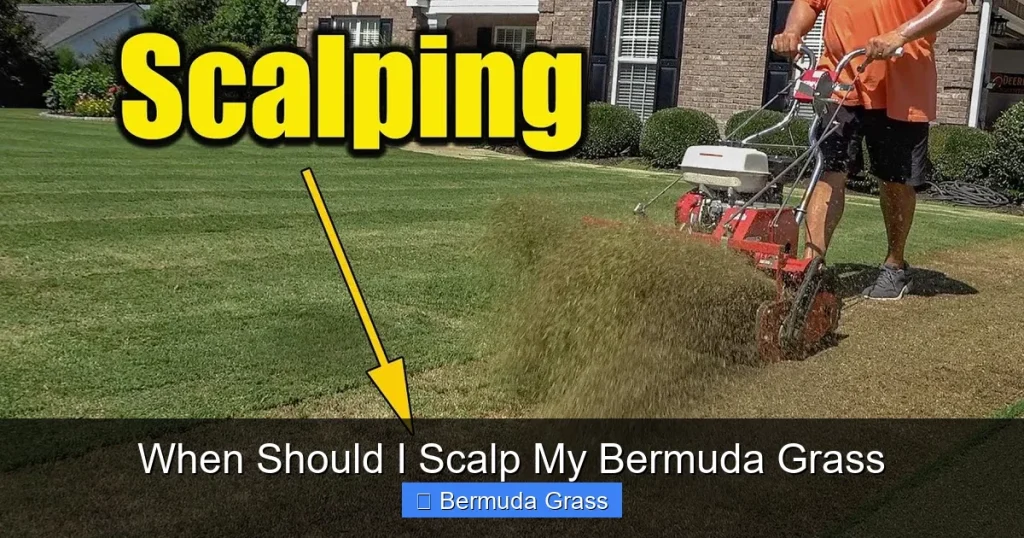
Scalping your Bermuda grass is a vital annual practice for a healthier, lusher lawn. This guide explains the best time to scalp Bermuda grass – typically late winter to early spring when soil temperatures consistently rise above 55°F. Learn how to prepare, execute the cut correctly, and provide essential post-scalping care for vibrant spring growth, ensuring your lawn starts the season strong and beautiful.
When Should I Scalp My Bermuda Grass
Maintaining a beautiful Bermuda grass lawn can be incredibly rewarding. This tough, warm-season turf is known for its resilience and ability to thrive in sunny, hot conditions. But to truly get that dense, carpet-like appearance and vibrant green color, there’s one annual task you absolutely can’t skip: scalping.
You might be asking, “What exactly does it mean to scalp my Bermuda grass?” Simply put, scalping is the practice of mowing your lawn significantly lower than your regular cutting height at the start of the growing season. It sounds a bit drastic, and for some grasses, it would be. But for Bermuda grass, it’s a necessary reset button that sets the stage for a spectacular spring and summer.
In this comprehensive guide, we’ll walk you through everything you need to know about scalping your Bermuda grass. You’ll learn:
- Why scalping is so beneficial for Bermuda lawns.
- The absolute best time to scalp, based on crucial environmental cues.
- How to properly prepare your lawn and your equipment.
- Step-by-step instructions for performing the scalping cut.
- Essential post-scalping care to ensure rapid recovery and lush growth.
- Common troubleshooting tips for any issues you might encounter.
By the end, you’ll feel confident and ready to tackle this important task, transforming your dormant winter lawn into a vibrant green paradise. Let’s dig in!
Key Takeaways
- Timing is Crucial: The ideal time to scalp your Bermuda grass is in late winter to early spring, specifically after the last chance of frost and when soil temperatures consistently reach 55-60°F (13-16°C).
- Why Scalp: Scalping removes dead winter growth and excess thatch, allowing sunlight and nutrients to reach new grass blades, encouraging faster spring green-up and denser turf.
- Preparation Matters: Before you scalp, ensure your mower blades are razor-sharp, clear your lawn of debris, and check for any signs of stress or disease.
- How Low to Go: Aim to cut your Bermuda grass to a height of 0.5 to 1 inch (1.25-2.5 cm) using a rotary mower. If you use a reel mower, you can go even lower, but never expose the soil completely.
- Bagging is Essential: Always bag and remove the large volume of clippings generated during scalping to prevent new thatch build-up and disease.
- Post-Scalping Care: After scalping, provide a light watering and consider a balanced spring fertilizer to help the grass recover and promote vigorous new growth.
- Avoid Bad Times: Never scalp during extreme heat, drought, or when your grass is stressed. Scalping too early (before frost risk passes) can also harm your lawn.
Understanding Bermuda Grass Dormancy and Growth Cycles
Bermuda grass is a warm-season grass. This means it thrives in hot weather and goes dormant when temperatures drop. In colder months, your Bermuda lawn will likely turn brown and appear lifeless. This is completely normal! It’s simply conserving energy, waiting for the warmth to return.
When spring arrives, and the soil starts to warm up, your Bermuda grass “wakes up.” It begins to push out new green shoots from its rhizomes (underground stems) and stolons (above-ground runners). Scalping takes advantage of this transition, clearing out the old, dead material to make way for robust new growth.
The Golden Window: When to Scalp Your Bermuda Grass
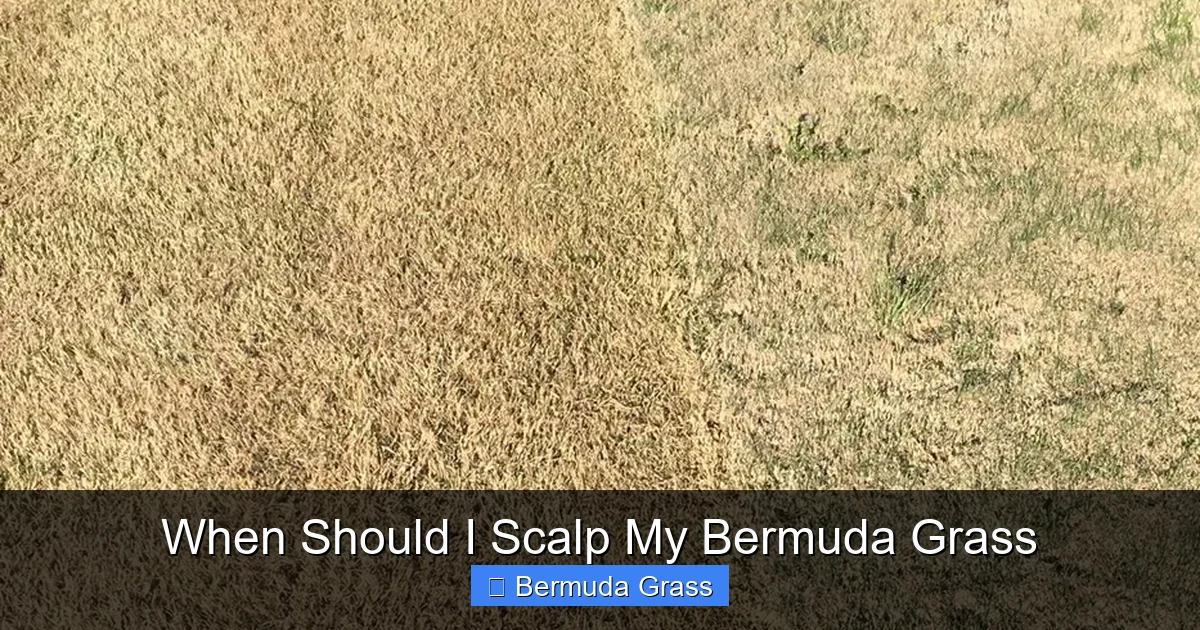
Visual guide about When Should I Scalp My Bermuda Grass
Image source: images.squarespace-cdn.com
Timing is, without a doubt, the most critical factor when you decide to scalp your Bermuda grass. Doing it at the wrong time can do more harm than good.
Timing is Everything: The Ideal Season
The best time to scalp your Bermuda grass is during late winter to early spring. Think of it as the moment just before your grass truly begins its active growth cycle.
Why this specific window?
- Clears Winter Debris: It removes all the dead, brown grass blades and thatch that accumulated over the winter. This allows sunlight to penetrate to the soil surface, warming it up faster.
- Encourages New Growth: By taking off the old material, you signal the grass to put all its energy into developing fresh, green blades, stolons, and rhizomes.
- Thatch Management: Bermuda grass is prone to thatch build-up (a layer of dead and living organic matter between the soil surface and the green grass blades). Scalping is an excellent way to thin this layer, which can otherwise impede water, nutrient, and air penetration.
- Improved Mower Efficiency: Starting the season with a low cut allows you to maintain a consistent, lower height throughout the active growing season, which is ideal for Bermuda.
Monitoring Soil and Air Temperatures
While “late winter to early spring” gives you a general idea, the most accurate way to pinpoint the perfect moment to scalp your Bermuda grass is by paying attention to temperatures.
H3: Look for Consistent Soil Temperatures
The magic number for Bermuda grass awakening is when the soil temperature consistently stays above 55-60°F (13-16°C) for several days in a row. You can buy a soil thermometer to check this, or simply keep an eye on local university extension resources, which often provide soil temperature maps for your region. This is a more reliable indicator than air temperature alone.
H3: Watch for Warming Air Temperatures
Accompanying the warming soil, you’ll notice air temperatures consistently reaching 65°F (18°C) or higher during the day. You might even start to see a very faint green tint appearing in your dormant lawn, signaling that it’s just beginning to wake up. This is your cue!
What to Avoid: Bad Times for Scalping
Knowing when *not* to scalp is just as important as knowing when to do it.
- Before the Last Frost Date: Scalping too early, before the risk of a hard frost has passed, can severely damage the newly exposed crown of the grass, making it vulnerable to cold and delaying its spring green-up.
- During Peak Summer Heat or Drought: Scalping during stressful conditions like extreme heat or drought will put immense stress on your lawn, potentially leading to dormancy or even death.
- When Grass is Stressed: If your Bermuda grass is already struggling with disease, insect pests, or nutrient deficiencies, adding the stress of scalping will only worsen its condition. Address these issues first.
Preparing Your Lawn for Scalping
Proper preparation is key to a successful scalping and a healthy lawn afterward.
Essential Pre-Scalping Steps
H3: Step 1: Check Your Equipment
Before you even think about cutting, make sure your lawn mower is in top shape.
- Sharp Blades: This is non-negotiable! Dull blades tear the grass, leading to ragged cuts that stress the plant and make it more susceptible to disease. Sharp blades provide a clean cut, promoting faster healing.
- Fuel/Charge: Ensure your gas mower has enough fuel or your electric mower is fully charged, as scalping will likely take more power due to the volume of material removed.
- Mower Type: Most homeowners use rotary mowers. If you have a reel mower, you can often achieve an even lower cut, but the principles remain the same.
H3: Step 2: Clear the Lawn Thoroughly
Walk your lawn and remove any debris: sticks, toys, leaves, rocks, or anything else that could be caught by the mower blade. This prevents damage to your equipment and ensures an even cut.
H3: Step 3: Light Mowing (Optional but Recommended)
If your grass is particularly tall after winter, you might consider doing one regular mow a few days before scalping, just to bring it down slightly. This makes the scalping process less strenuous on your mower. However, if it’s already fairly low from winter, you can skip this step.
H3: Step 4: Assess Thatch Layer
Take a quick look at your lawn. Do you see a thick layer of brown, dead material sitting above the soil? This is thatch. Scalping will help reduce this. Knowing how much thatch you have can help you understand the extent of the job.
The Scalping Process: How to Do It Right
Now that your lawn is ready and your timing is perfect, it’s time for the main event.
Setting Your Mower Height
This is where the “scalping” part comes in. You’re going to set your mower blades significantly lower than usual.
H3: How Low is “Scalping”?
For most rotary mowers, you want to set the cutting height to the lowest possible setting, typically between 0.5 to 1 inch (1.25 to 2.5 cm). The goal is to remove the brown, dead winter growth and expose the crown of the grass and the soil surface. You want to see predominantly brown material with just a hint of green at the very base.
Important Note: You should *not* hit bare soil. If you’re hitting soil, your mower is set too low, or your lawn has uneven spots. Adjust as needed. For uneven lawns, you may need to do a slightly higher scalp in some areas to avoid gouging.
Making the Cut
H3: Multiple Passes if Needed
If your grass is very thick or tall, your mower might struggle to cut everything in one pass at the lowest setting. Don’t force it. Instead, make an initial pass at a slightly higher setting (e.g., 1.5 inches), then lower it to your desired scalping height and make a second pass. This reduces strain on your mower and provides a cleaner cut.
H3: Bagging vs. Mulching – Always Bag During Scalping
When you scalp your Bermuda grass, you’ll generate a massive amount of dry, dead clippings. It is absolutely essential to bag these clippings. Do not mulch them back into the lawn during this process. Leaving such a large volume of dead material on your lawn can:
- Smother new growth.
- Increase thatch build-up.
- Provide a breeding ground for fungi and diseases.
- Prevent sunlight from reaching the soil.
Empty your mower bag frequently! You’ll be surprised how much material you collect.
Cleaning Up the Debris
After scalping, thoroughly rake your lawn to remove any remaining loose clippings or thatch that the mower might have missed. A leaf blower can also be very effective for this task. The cleaner you get your lawn, the better for its recovery and new growth.
Post-Scalping Care: Helping Your Bermuda Recover and Thrive
You’ve done the hard part. Now, it’s time to nurture your lawn back to its full glory.
Watering After Scalping
H3: Light Watering Immediately
Once you’ve finished scalping and cleaning up, give your lawn a light watering. This helps settle any disturbed soil and provides initial moisture.
H3: Consistent, Deep Watering Afterward
For the next few weeks, as your Bermuda grass starts to green up, maintain a consistent watering schedule. Aim for deep, infrequent watering that encourages roots to grow deeper. A good rule of thumb is about 1 inch of water per week, either from rain or irrigation. Avoid frequent, shallow watering, which promotes shallow root growth and weaker turf.
Fertilizing for Re-growth
H3: When to Apply a Spring Fertilizer
About 1-2 weeks after scalping, once you start seeing visible signs of green growth, it’s an excellent time to apply a good quality spring fertilizer. Look for a fertilizer that is specifically formulated for warm-season grasses and has a higher nitrogen content (the first number in the NPK ratio, e.g., 16-4-8). Nitrogen promotes lush, green foliage.
H3: Consider a Pre-Emergent Herbicide
Scalping can expose dormant weed seeds to sunlight, prompting them to germinate. Applying a pre-emergent herbicide *after* scalping and before the weed seeds sprout can be highly effective in preventing crabgrass and other annual weeds. Make sure the timing is right for your region’s weed germination cycle.
Reseeding/Overseeding (If Necessary)
Generally, established Bermuda grass is so vigorous that reseeding isn’t needed after scalping, as it will fill in on its own. However, if you have significant bare patches or areas that struggled, you could apply new Bermuda grass seed. Ensure you cover the seed lightly with topsoil or peat moss and keep it consistently moist until germination.
Mowing After Recovery
Once your Bermuda grass has fully greened up and reached your desired regular mowing height (typically 1-2 inches for a healthy Bermuda lawn), you can resume your normal mowing schedule. Gradually raise your mower height to the desired level. Regular mowing at the correct height encourages denser growth and prevents scalping during the season.
Troubleshooting Common Scalping Issues
Even with the best intentions, things can sometimes go a little differently than planned. Here are some common issues and how to address them:
What If My Grass Looks Yellow/Brown for Too Long?
It’s normal for your lawn to look somewhat stressed or brown for a week or two after scalping. If it persists beyond that, consider these factors:
- Too Early Scalping: If you scalped before the last frost, the cold might have damaged the crown. Be patient; new growth will eventually emerge if the damage isn’t severe.
- Nutrient Deficiency: Has it been fertilized? A good spring fertilizer can kickstart growth.
- Water Stress: Is it getting enough consistent water, especially if conditions have been dry?
- Soil Health: A soil test can reveal underlying issues with pH or nutrient levels that might be impeding recovery.
My Mower Is Struggling/Leaving Uneven Cuts.
- Dull Blade: This is the most common culprit. Sharpen or replace your blade.
- Too Low, Too Fast: If you tried to cut too much in one pass, your mower might bog down. Raise the height slightly for the first pass, then lower it.
- Uneven Terrain: If your lawn has significant dips and bumps, it’s hard to get an even cut. You might need to adjust your scalping height for different areas.
Dealing with Weeds After Scalping.
As mentioned, scalping exposes weed seeds.
- Pre-Emergent: This is your best defense. Apply it soon after scalping and before weed germination.
- Post-Emergent: If weeds emerge, use a selective post-emergent herbicide specifically designed for Bermuda grass. Always read the label carefully to avoid harming your lawn.
- Hand Pulling: For smaller infestations, good old-fashioned hand-pulling is effective.
Conclusion
Scalping your Bermuda grass is a cornerstone of excellent lawn care. It might seem drastic, but it’s a vital annual practice that removes dead growth, reduces thatch, and paves the way for a vibrant, healthy, and resilient lawn. By understanding the ideal timing—based on soil and air temperatures, not just the calendar—and following the steps for proper preparation, execution, and post-scalping care, you’ll ensure your Bermuda grass greens up faster and looks its absolute best throughout the growing season. Embrace the scalp, and enjoy the stunning results of your hard work!