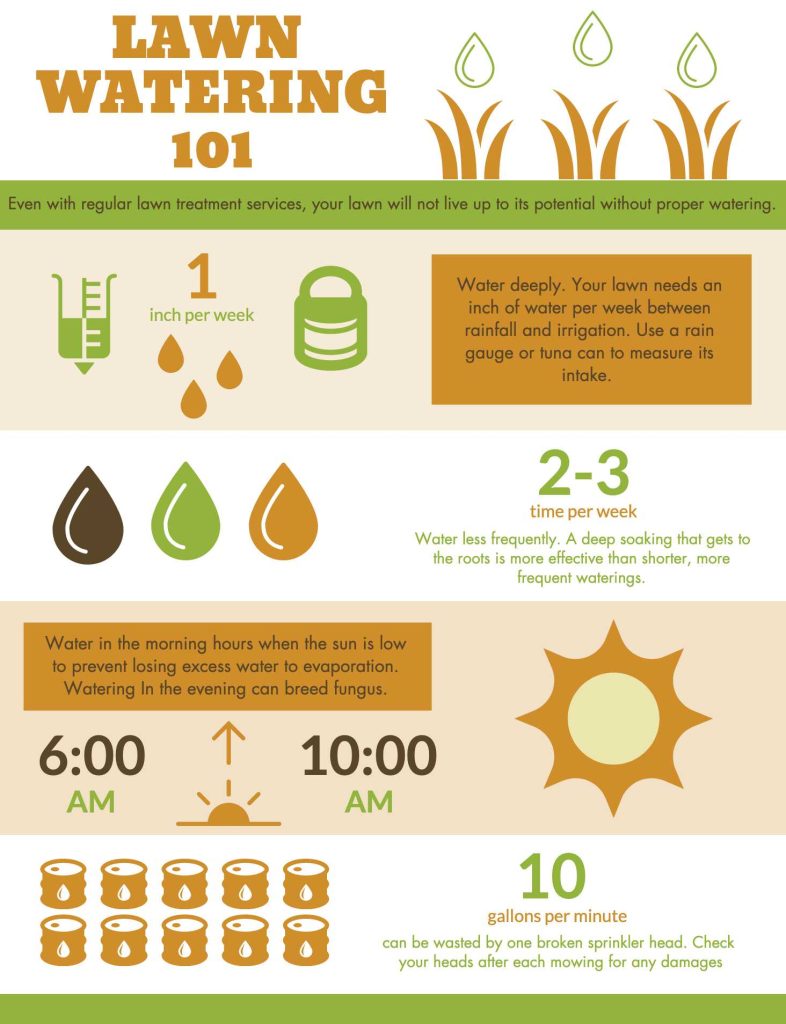
For lush, green Bermuda grass, watering about 1 to 1.5 inches per week is ideal, adjusting based on weather conditions and soil type. Keep in mind, consistent deep watering encourages strong roots and a healthy lawn.
In short, Bermuda grass needs about an inch and a half of water weekly, spread out over several sessions, to stay vibrant and resilient. Proper watering practices, including deep soaking and scheduling around rain, are essential for maintaining a beautiful lawn.
Getting the watering right for Bermuda grass doesn’t have to be complicated. This warm-season grass thrives with consistent, deep watering, which encourages deep root growth and helps it withstand drought stress. During hot, dry periods, you might need to water more frequently, but always aim for thorough soaking to reach the root zone. Keep an eye on local weather and soil conditions to fine-tune your watering schedule. Proper hydration not only keeps Bermuda grass looking its best but also promotes resilience against pests and disease. So, knowing how much and when to water can make a big difference in maintaining a lush, healthy lawn all season long.

How Much Water for Bermuda Grass: A Complete Guide
Understanding how much water Bermuda grass needs is essential for maintaining a lush, healthy lawn. Proper watering promotes strong root growth, vibrant color, and disease resistance. In this guide, we’ll explore all aspects of watering Bermuda grass, from daily requirements to seasonal adjustments, ensuring your yard stays beautiful year-round.
Why Proper Watering Is Crucial for Bermuda Grass
Watering the right amount helps Bermuda grass develop deep roots, making it more drought-tolerant. Overwatering can lead to shallow roots, disease risks, and lawn damage. Conversely, underwatering causes grass to turn brown and become patchy.
Consistent watering encourages dense growth, suppresses weeds, and maintains the grass’s bright green color. Knowing the correct amount is key to a healthy and resilient lawn.
Basic Watering Needs of Bermuda Grass
Bermuda grass typically requires about 1 to 1.5 inches of water weekly. This includes rainfall and supplemental irrigation. This amount ensures the soil remains moist enough to support healthy root development.
It’s important to water deeply and infrequently rather than lightly and often. Deep watering encourages roots to grow downward, providing drought resistance and a more vigorous lawn.
How to Measure Watering Amount Correctly
Using a Rain Gauge or Tuna Can
Place a rain gauge or a tuna can in your lawn during watering sessions. Measure how much water collects after watering. Aim for about 1 inch to 1.5 inches per week.
This method helps you adjust your watering schedule based on actual soil moisture levels, preventing over- or under-watering.
Understanding Soil Moisture Levels
Use a soil moisture meter to check how deep water has penetrated. Bermuda grass roots typically extend 6 to 12 inches into the soil.
Keep soil moist but not saturated. If the soil feels dry below the surface, it’s time to water again.
Adjusting Watering Frequency in Different Seasons
Summer
During hot, dry summer months, Bermuda grass may need watering twice a week or more. Increase watering if heatwaves or drought conditions occur.
Spring and Fall
As temperatures cool, reduce watering to once a week or less. Monitor rainfall and adjust accordingly to prevent overwatering.
Winter
In milder climates, Bermuda grass needs minimal watering. Usually, supplemental watering is unnecessary unless there’s a dry spell.
Factors Influencing Water Needs
Soil Type
- Sandy soils drain quickly, requiring more frequent watering with smaller amounts.
- Clay soils retain water longer, so less frequent deep watering is necessary.
Climate and Weather
- Hotter, windier days increase water loss, prompting more frequent watering.
- Rainfall reduces the need for irrigation, saving water and money.
Grass Height and Density
Optimal Bermuda grass height is 1 to 2 inches. Taller grass shades soil and reduces evaporation, conserving moisture.
Thicker lawns also require more water to maintain uniform health and color.
Best Practices for Watering Bermuda Grass
- Water deeply to penetrate the root zone, approximately 6 to 12 inches deep.
- Water early in the morning to minimize evaporation and reduce disease risk.
- Use efficient irrigation systems such as sprinkler timers or drip irrigation to avoid waste.
- Avoid watering late in the evening to prevent prolonged moisture that encourages disease.
Signs You’re Watering Correctly
Look for a uniformly green lawn without dry or brown patches. The soil should feel moist below the surface, but not soggy.
Roots should be growing deep into the soil, indicating adequate water supply. A healthy Bermuda grass lawn is resilient and recovers quickly from stress.
Common Mistakes to Avoid
- Overwatering leads to fungal diseases, shallow roots, and wasted water.
- Underwatering causes the grass to turn brown, thin out, and become vulnerable to pests.
- Irregular watering creates stress and uneven growth.
- Watering at the wrong time, especially late in the day, increases disease risk.
Incorporating Watering Technologies
Automatic Sprinkler Systems
Set timers to water early in the morning, ensuring consistent watering without effort. Adjust schedules seasonally for optimal results.
Soil Moisture Sensors
These devices automatically detect moisture levels and activate irrigation only when needed, saving water and energy.
Smart Controllers
Connect systems to weather data to optimize watering schedules based on rain, temperature, and humidity.
Water Conservation Tips for Bermuda Grass
- Use efficient sprinkler heads that prevent overspray and runoff.
- Water early in the morning to reduce evaporation losses.
- Adjust watering schedules seasonally based on weather conditions.
- Maintain your irrigation system regularly for proper function.
Summary Table of Bermuda Grass Watering Guidelines
| Season | Watering Frequency | Recommended Weekly Amount |
|---|---|---|
| Summer | 2 to 3 times per week | 1 to 1.5 inches |
| Spring and Fall | Once a week | 1 inch |
| Winter | As needed, based on rainfall | Minimal |
Consistently watering Bermuda grass at the correct depth and frequency keeps your lawn looking its best. Remember, understanding your specific soil, climate, and grass condition is key to adjusting your watering practices effectively.
Bermuda Lawn Care – 5 Basics – For A Nice Green Lawn – Beginners Start Here!
Frequently Asked Questions
How often should I water Bermuda grass during the growing season?
During the peak growing season, it’s best to water Bermuda grass two to three times per week. Ensure the soil remains moist but not waterlogged, providing approximately 1 to 1.5 inches of water each session. Adjust watering frequency based on weather conditions, increasing during hot, dry periods and reducing during cooler or rainy times.
What is the ideal amount of water to promote healthy Bermuda grass roots?
Aim for deep watering sessions that penetrate at least 6 to 8 inches into the soil. This encourages strong root growth and resilience against drought. Typically, providing around 1 to 1.5 inches of water per session helps achieve this depth, fostering a healthy, dense turf.
How can I tell if my Bermuda grass needs more water?
Watch for signs like footprints remaining visible after walking on the grass, a dull or bluish tint, and areas that appear to be wilting or losing their vibrant color. If you notice these indicators, it’s time to water more thoroughly to maintain optimal health.
What adjustments should I make to watering during hot summer months?
During hot weather, increase both the frequency and amount of water to compensate for higher evaporation rates. Water more deeply and more often, ensuring the soil remains moist but not oversaturated. Early morning watering reduces water loss and helps prevent disease.
Is it better to water Bermuda grass lightly and frequently or deeply and less often?
Deep and infrequent watering benefits Bermuda grass by encouraging deep root growth, which improves drought tolerance and overall health. Light and frequent watering can lead to shallow roots, making the grass more susceptible to drought stress and diseases. Focus on deep, thorough watering sessions for optimal results.
Final Thoughts
To maintain healthy Bermuda grass, watering needs to be consistent and appropriate. Typically, Bermuda grass requires about 1 to 1.5 inches of water weekly, including rainfall, to stay lush and resilient.
Water deeply and infrequently to encourage deep root growth and drought tolerance.
Remember, the key to thriving Bermuda grass is understanding how much water for Bermuda grass ensures proper hydration without overwatering.